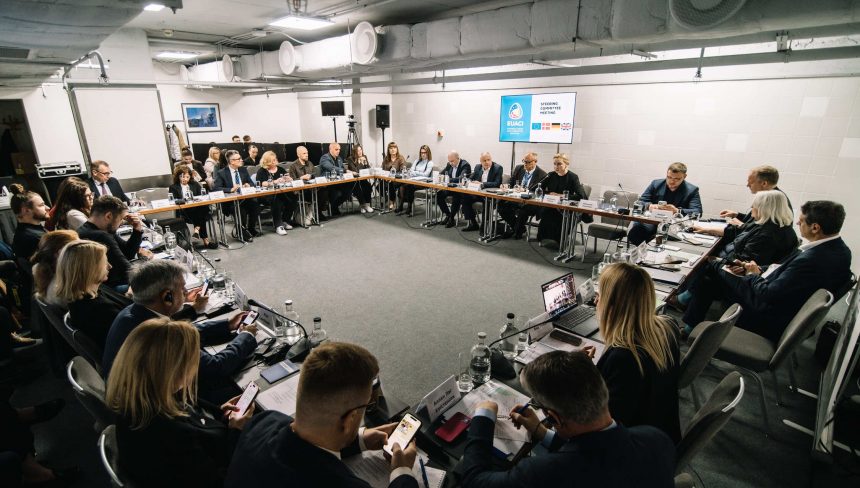
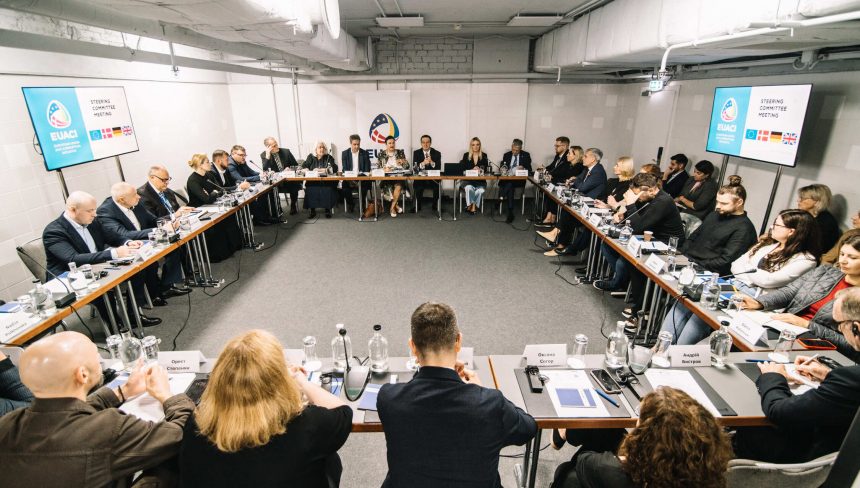
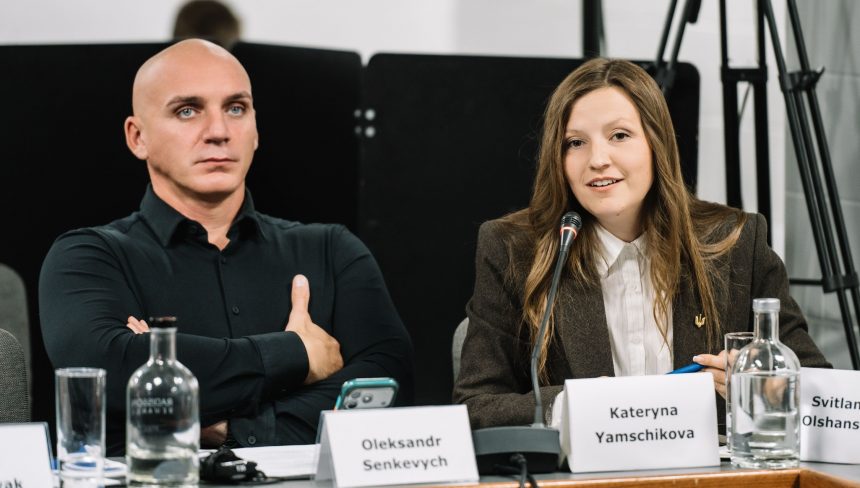
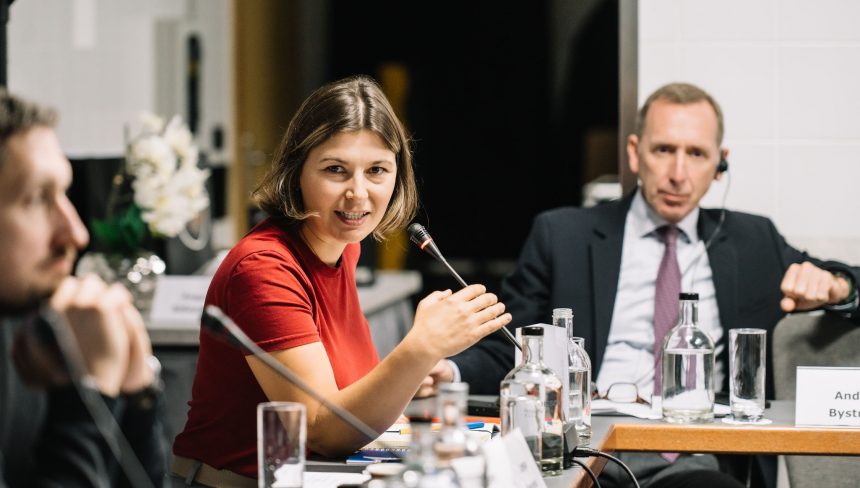
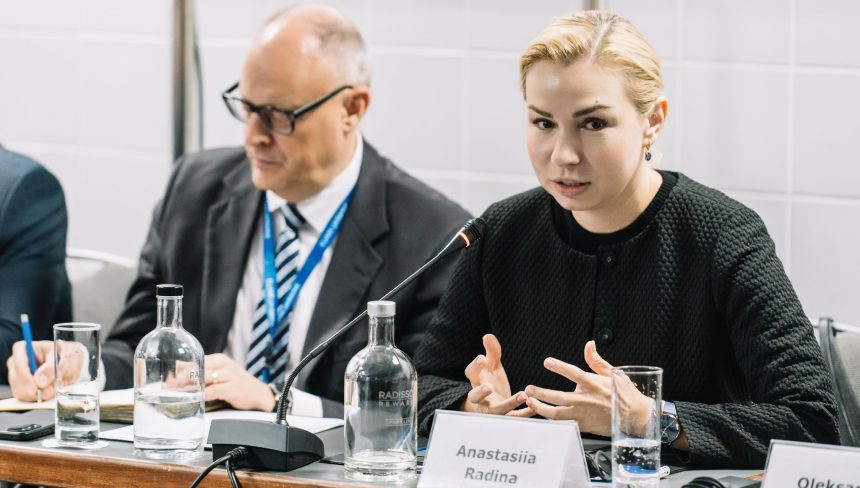
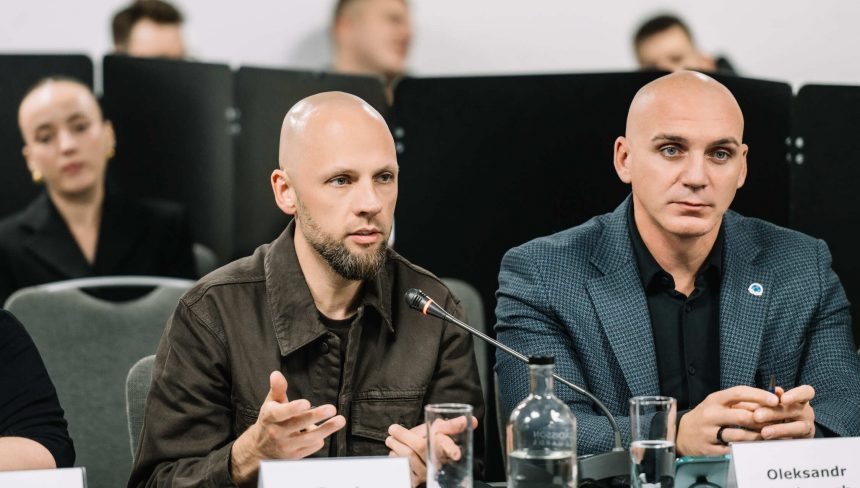
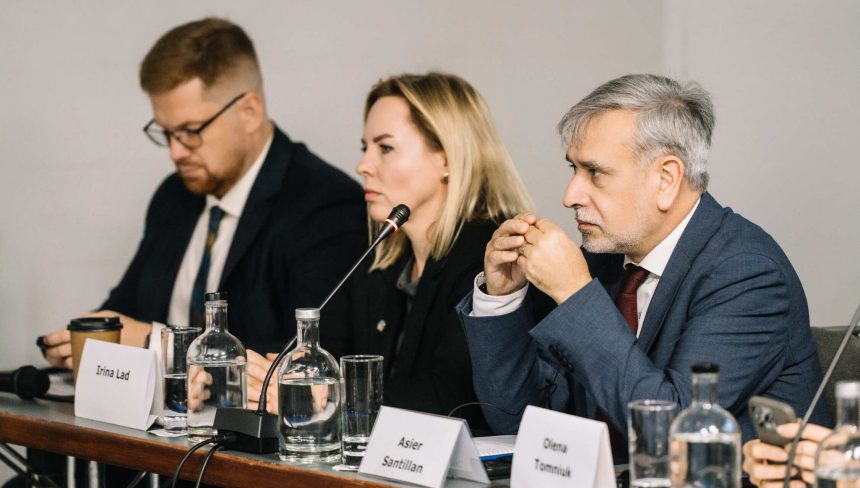
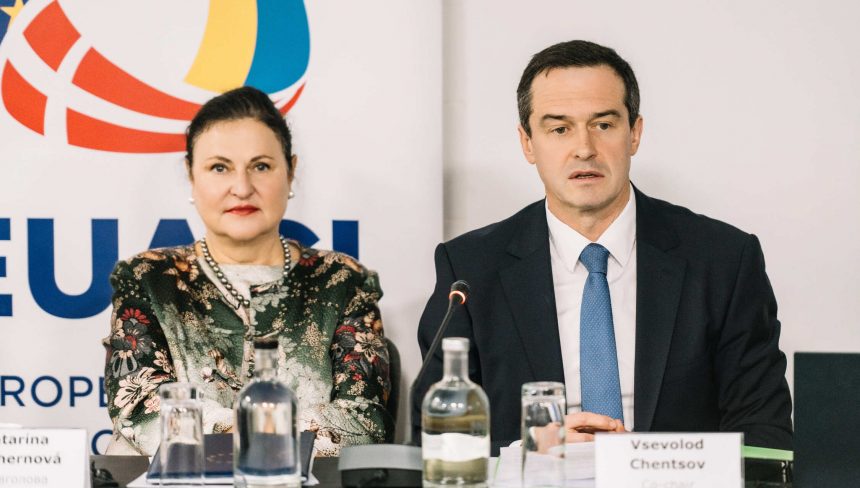
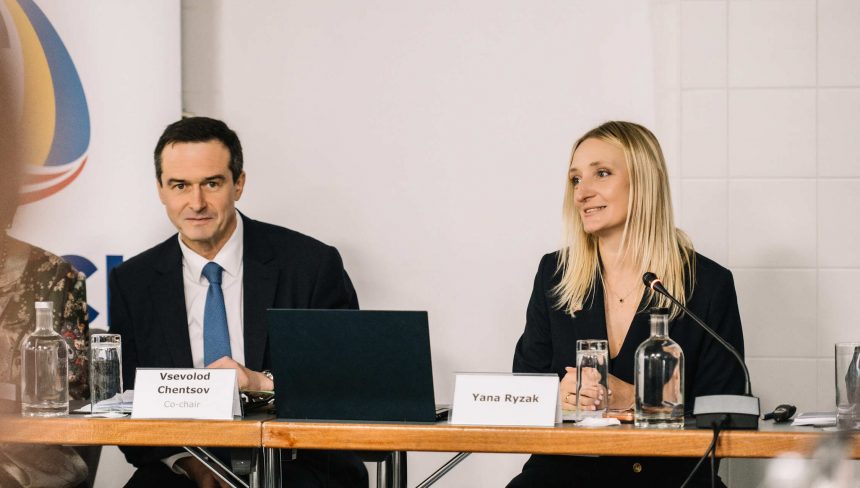
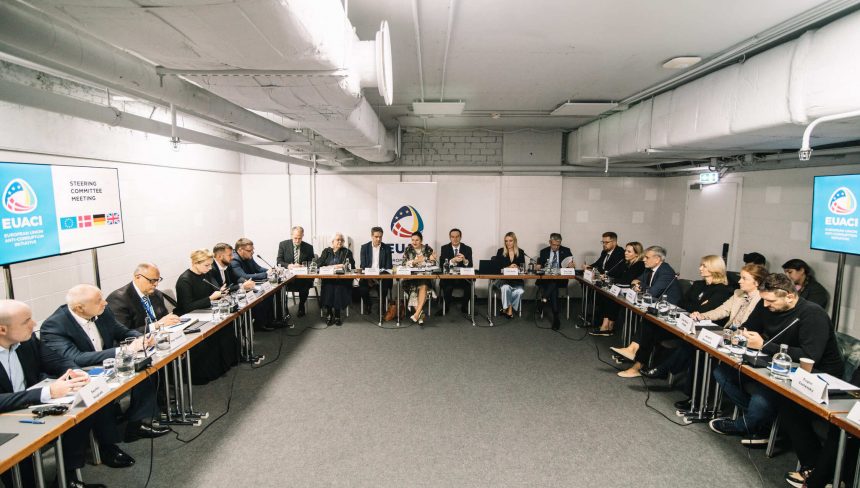
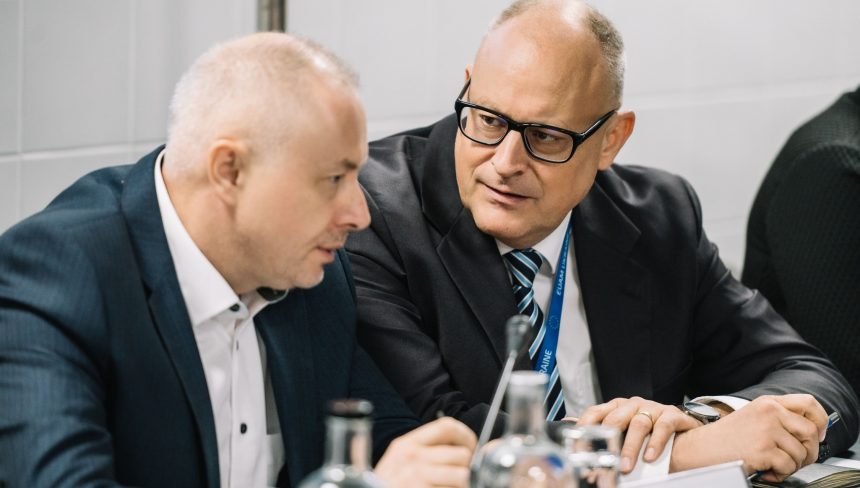
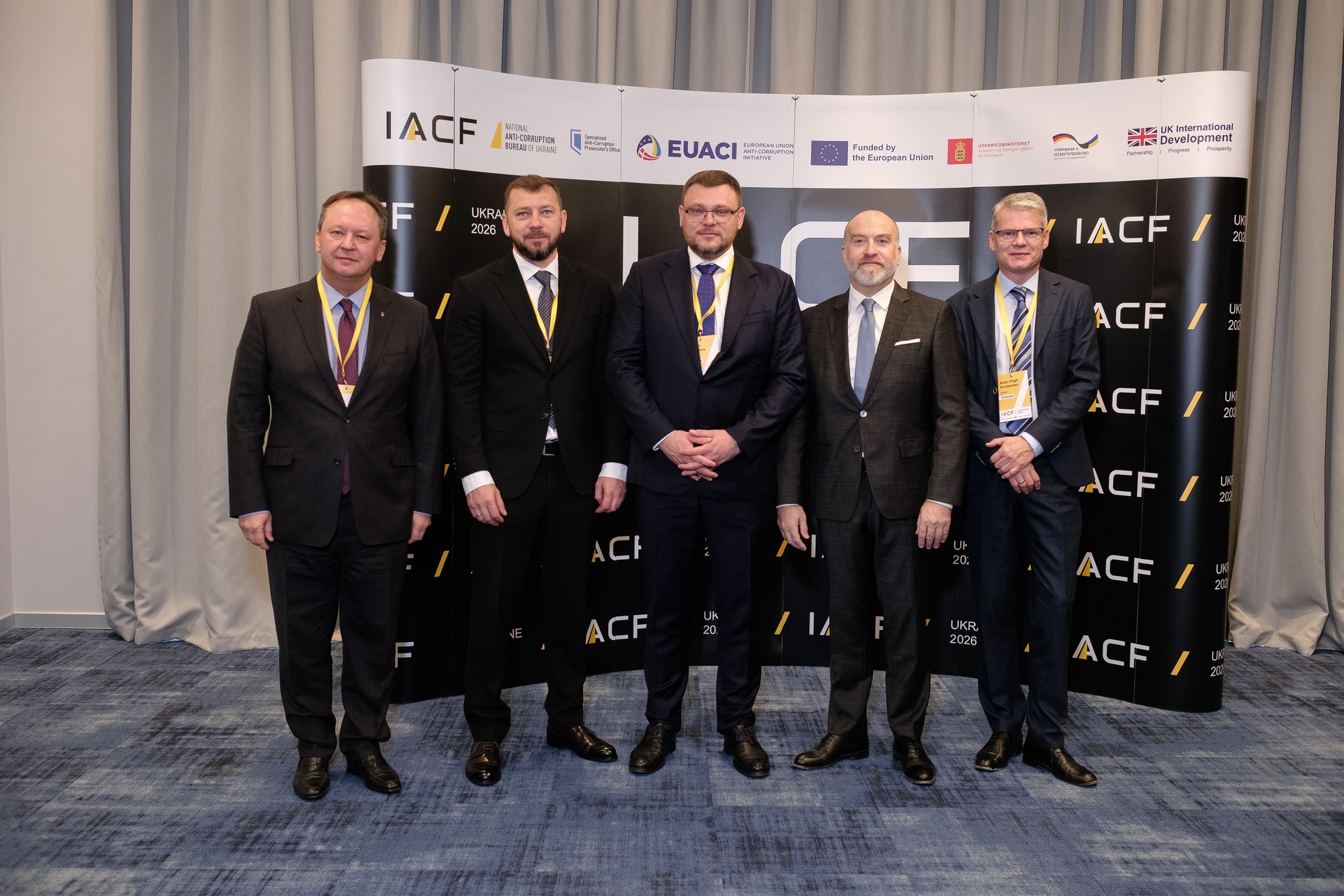
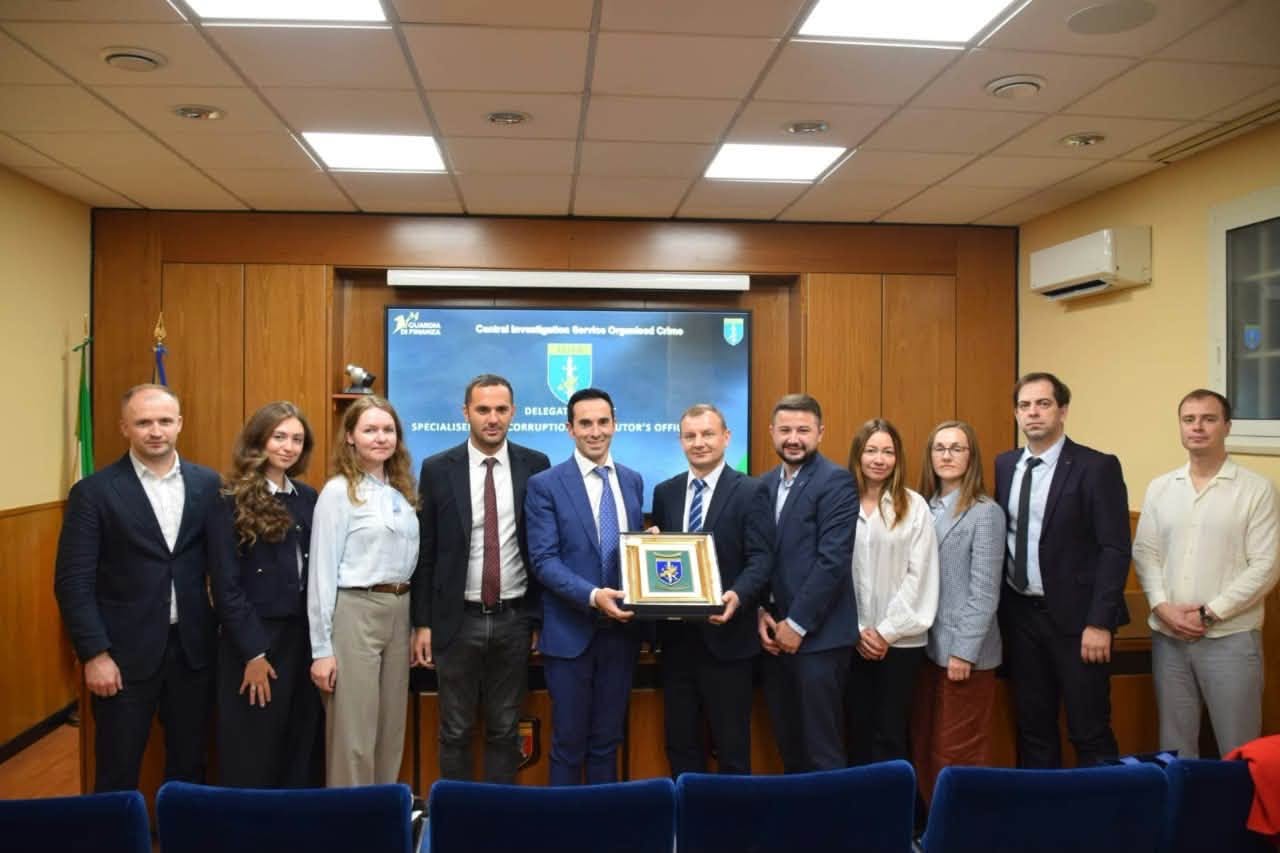
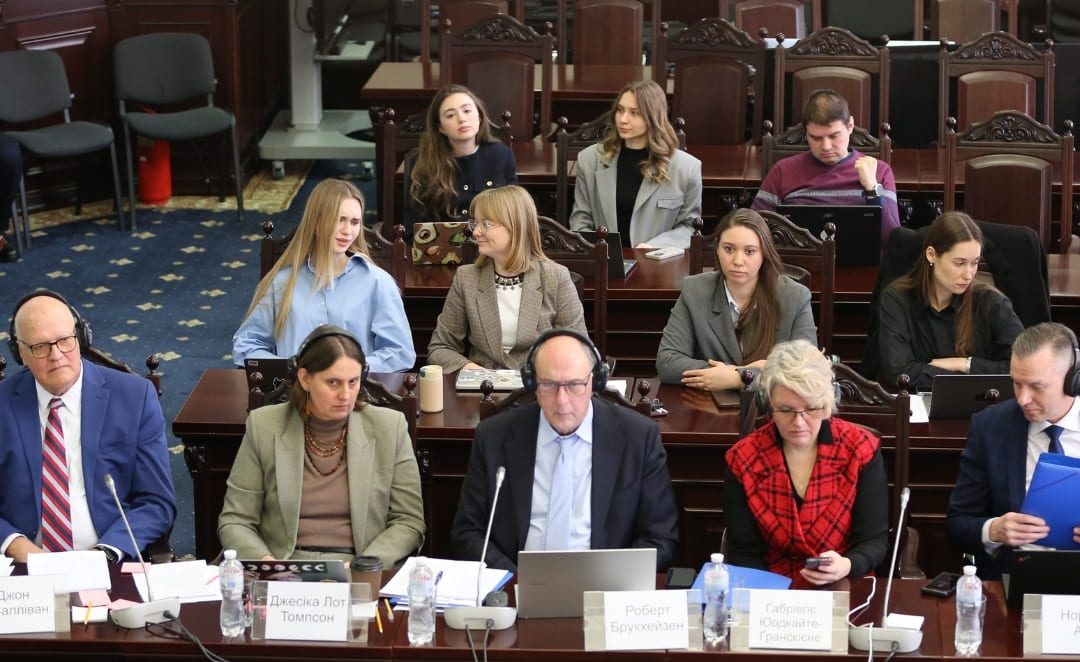
On 29 September 2026, the EU Anti-Corruption Initiative in Ukraine (EUACI) held its Steering Committee Meeting in Kyiv, bringing together partners from anti-corruption institutions, ministries and agencies, parliament, local authorities, civil society, media and the international community, both in person and online.
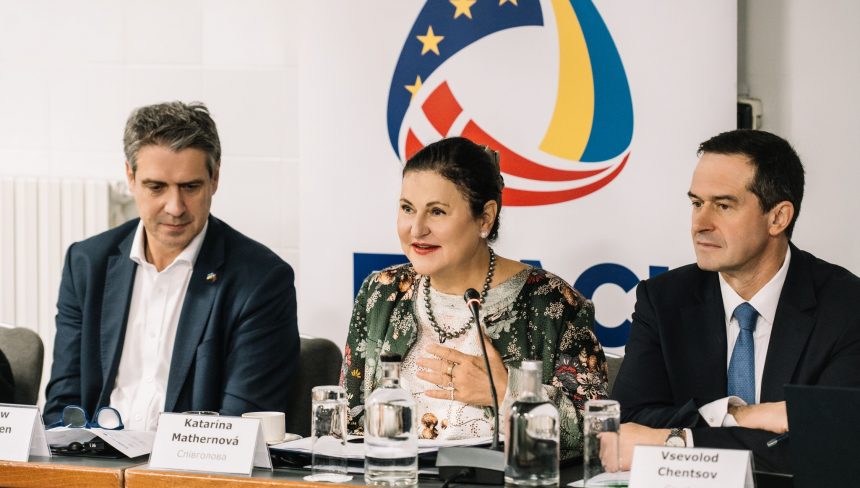
The meeting was co-chaired by Katarína Mathernová, Ambassador of the European Union to Ukraine; Vsevolod Chentsov, Deputy Prime Minister for European and Euro-Atlantic Integration; Anne Maria Madsen, Chargé d’Affaires of the Embassy of Denmark to Ukraine; Andrew Ockenden, Development Director of the British Embassy in Kyiv; and Jens Ingo Busma, Head of Cooperation of the Embassy of Germany in Kyiv.
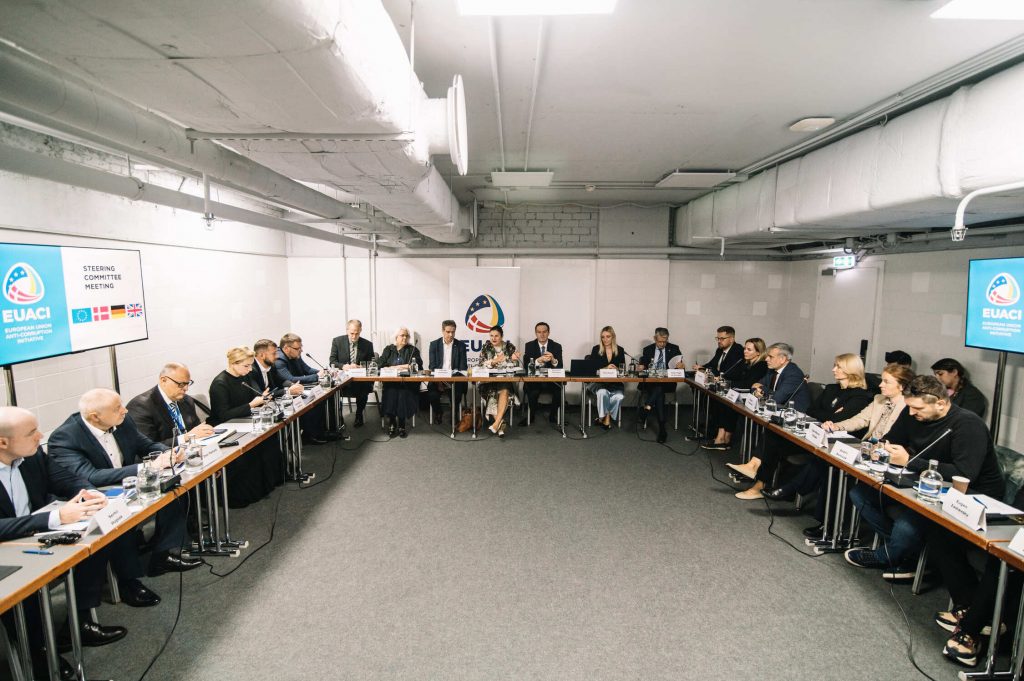
This was the first Steering Committee Meeting since Germany and the United Kingdom joined the EUACI as donors. The expanded partnership will strengthen the programme’s capacity to support Ukraine’s anti-corruption reforms at a time of war and reconstruction.
The meeting took place in the midst of air raids targeting Kyiv. Despite a very difficult security environment during recent months, the anti-corruption work continues unabated, and EUACI’s partners are fully active.
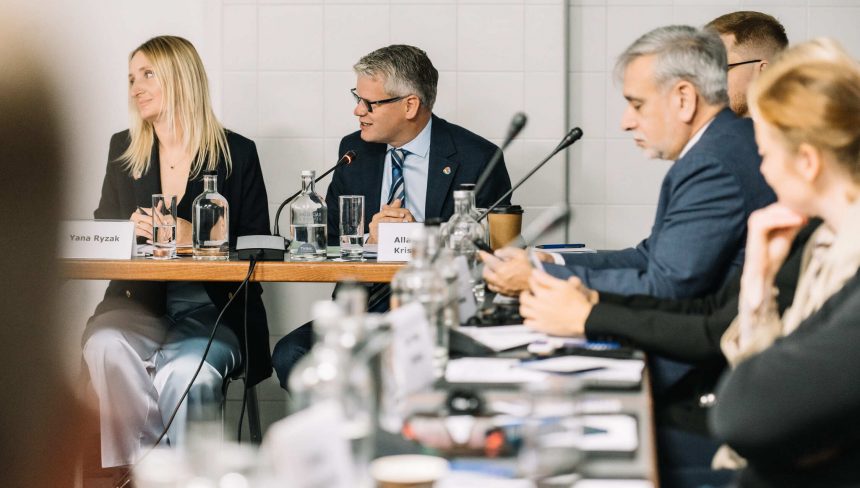
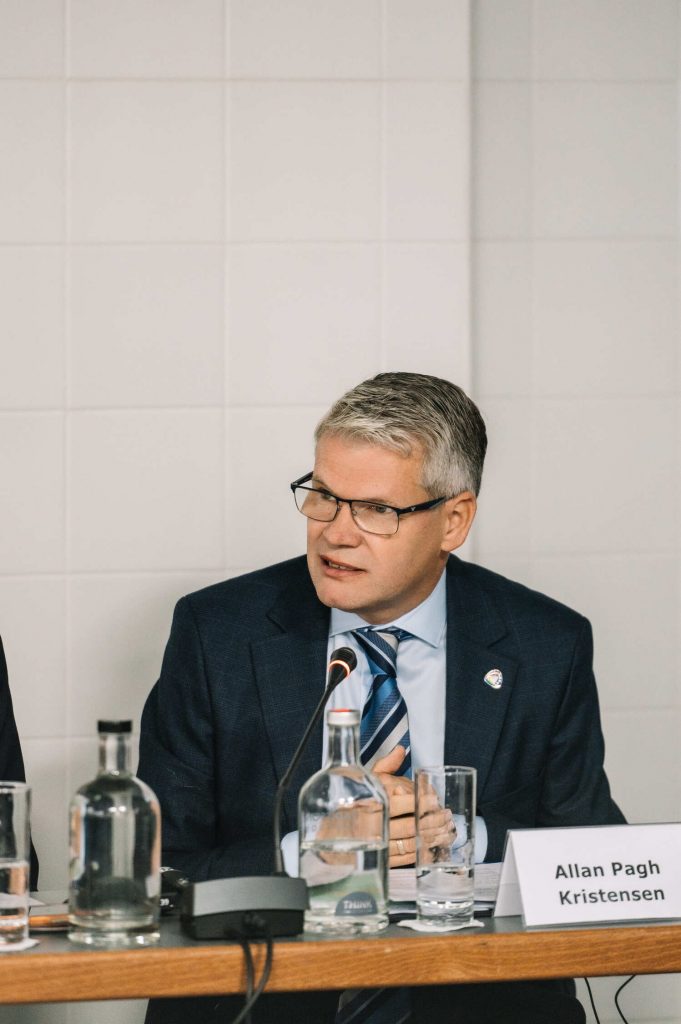
Allan Pagh Kristensen, Head of the EUACI, presented the progress made since the previous meeting in November 2025. He emphasized a gradual transition towards more focus on sectorial and preventive work and mentioned the need to acknowledge progress and present a more balanced narrative, also to an international audience.
Capacity building support to the specialised anti-corruption institutions remained at the core of the programme. The institutions are delivering good results and more staff are joining the National Anti-Corruption Bureau (NABU), the Specialised Anti-Corruption Prosecutor’s Office (SAPO) and the High Anti-Corruption Court (HACC). Institutional strategies are developed for SAPO and HACC for 2026–2028. The programme contributed to the development of the draft State Anti-Corruption Strategy prepared by the National Agency for Corruption Prevention (NACP).
The opening of Cluster 1 on Fundamentals within the EU accession negotiations marked an important step on Ukraine’s EU accession path. The EUACI supported work on the Rule of Law Road Map, on anti-corruption mainstreaming and continued to provide analysis of (draft) legislation.
At the local level, the work in the Integrity Cities continued with a focus on audit and internal control, electronic receptions and promoting integrity at municipal-owned enterprises. Best practices were shared with Boyarka, Fastiv, Myrhorod, Trostyanets and Khmelnytskyi.
Throughout its current phase, the EUACI is supporting 45 projects with civil society and investigative media partners.
Minimising corruption risks in sectors is a new priority area of the EUACI. So far, the Program has the most comprehensive engagement in the field of education and schools. An aspect of this work is the monitoring of the construction of school canteens, carried out together with the Ministry of Education and Science and the School Nutrition Reform Team. Through these activities, EUACI’s experts saved UAH 362.9 million.
The EUACI is planning new activities in the field of customs, public procurement and urban development.
The Program’s work with young people included the Student Integrity Festival at the Ukrainian Catholic University, the NABU Anti-Corruption School and the All-Ukrainian Anti-Corruption Moot Court.
“Despite the war and the very difficult security situation, our partners are not hesitating but continue to carry out their work to prevent and combat corruption. We will continue to be there for them and provide the support needed. Their work is even more important during wartime. Public funds that end up in corruption could have been used to defend the country, to provide humanitarian help and to reconstruct the damaged objects”
Allan Pagh Kristensen said.
During the open debate, partners shared their assessments of the progress achieved and gave strategic guidance on the programme’s future direction.