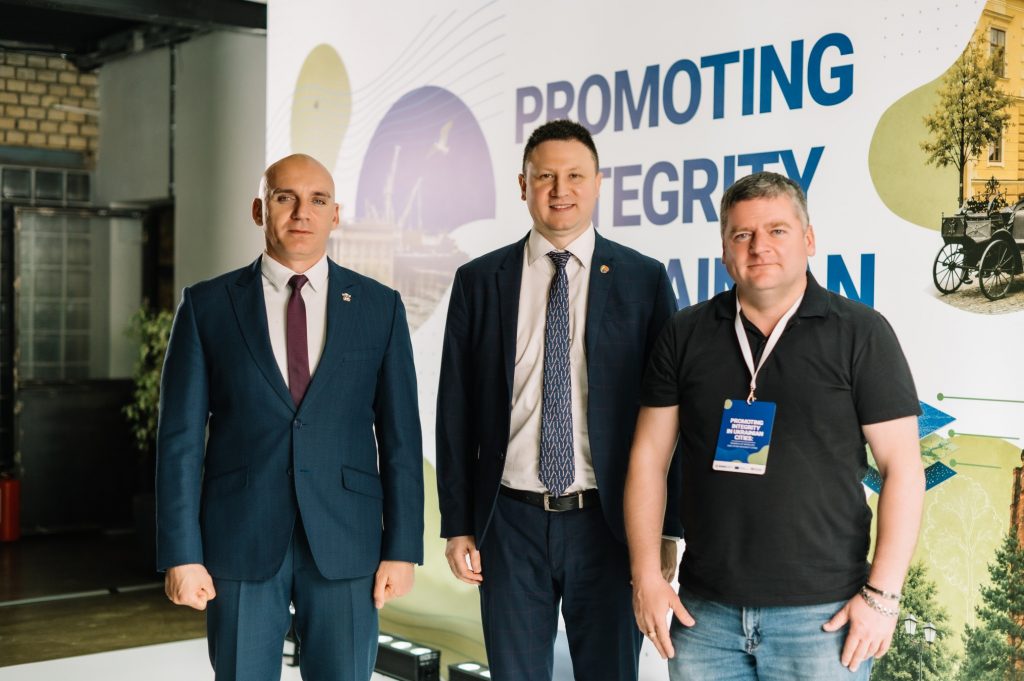
On 9 June, Kyiv hosted the public discussion “Promoting Integrity in Ukrainian Cities: The Example of Mykolaiv and Other Integrity Cities.” The event brought together mayors of Ukrainian cities, international partners, and good governance experts to present real changes in integrity and transparency achieved by cities with the support of the EU Anti-Corruption Initiative in Ukraine (EUACI).
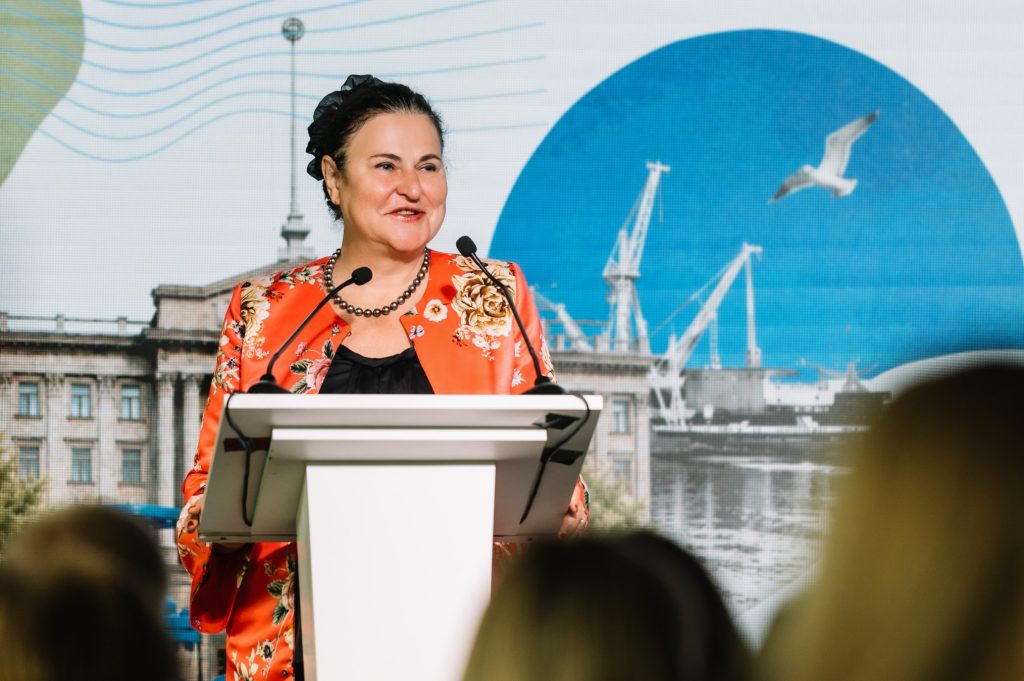
The event was opened by EU Ambassador to Ukraine Katarina Mathernova. In her welcoming remarks, she emphasised the role of local self-government in bringing Ukraine closer to the EU and highlighted the progress that the EUACI partner cities have made despite the challenges of wartime.
«Ukraine is conducting reforms while fighting for its own national survival in a brutal war. I don’t know any other country doing both of these things at once. There are countries at war. There are countries reforming. Ukraine is doing both. Even under the pressure of daily shelling and blackouts, Ukrainian communities keep moving forward. Through the EU Anti-Corruption Initiative — a programme of almost EUR 60 million, funded by the European Union and implemented by Denmark — the EU stands alongside them, supporting local reformers, strengthening institutions, and helping to build transparent, resilient, and sustainable cities,» said Katarína Mathernová.
Also delivering welcoming remarks was the Acting Deputy Head of Mission of the Embassy of Denmark in Ukraine, Kasper Mølbæk Jacobsen. In his speech he noted that integrity is more than the absence of corruption — it is a culture of accountability, openness and respect for the rules.
«We know that to continue reforming, to build accountable institutions, to maintain transparency, is normally hard — and doing so during a full-scale war is at least twice as hard, and at least twice as important. We see and value what the Integrity Cities have achieved. These achievements reflect consistent, systematic work and show that being an Integrity City is a deliberate choice by Ukraine’s cities. Just as the broader fight against corruption is a deliberate choice by Ukraine,» said Kasper Mølbæk Jacobsen.

Serhii Derkach, Deputy Minister for Communities and Territories Development of Ukraine, stressed that cooperation between the state and cities works both ways: cities not only implement changes on the ground but also provide the state with ready-made solutions to scale up.
«Modern governance begins with high-quality, clear processes. When we digitalise services, simplify procedures, and make them more transparent, people, communities, and the state all benefit. It is important that today cities are not only implementers of state policy but also a source of successful solutions and innovations. Many practices born at the local level later become the foundation for change at the national level. Mykolaiv is one example of this approach and partnership,» said Serhii Derkach.

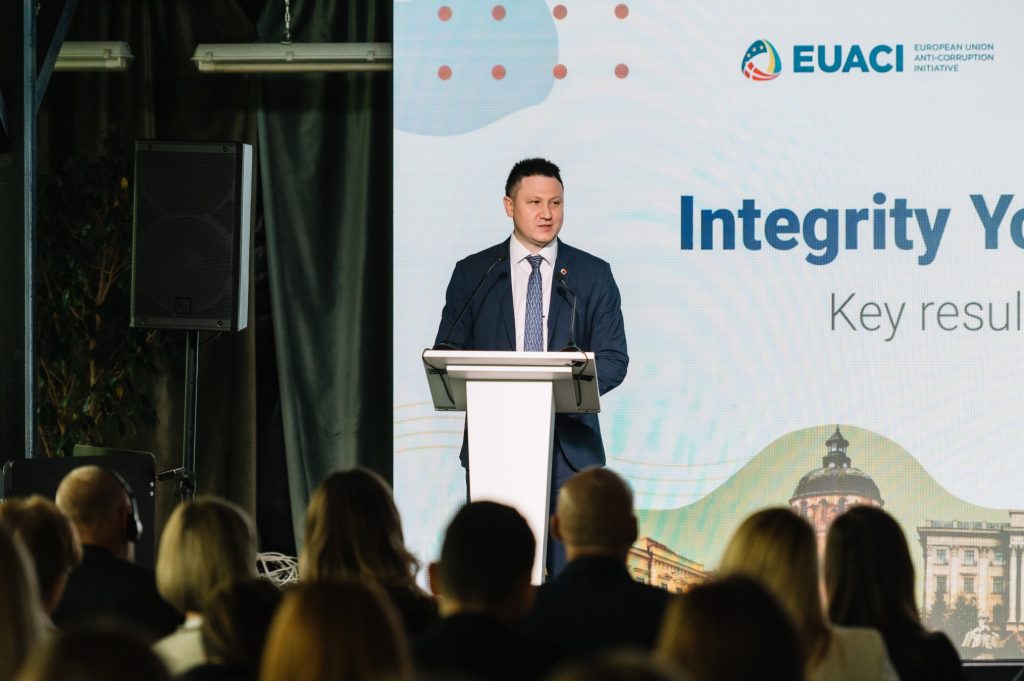
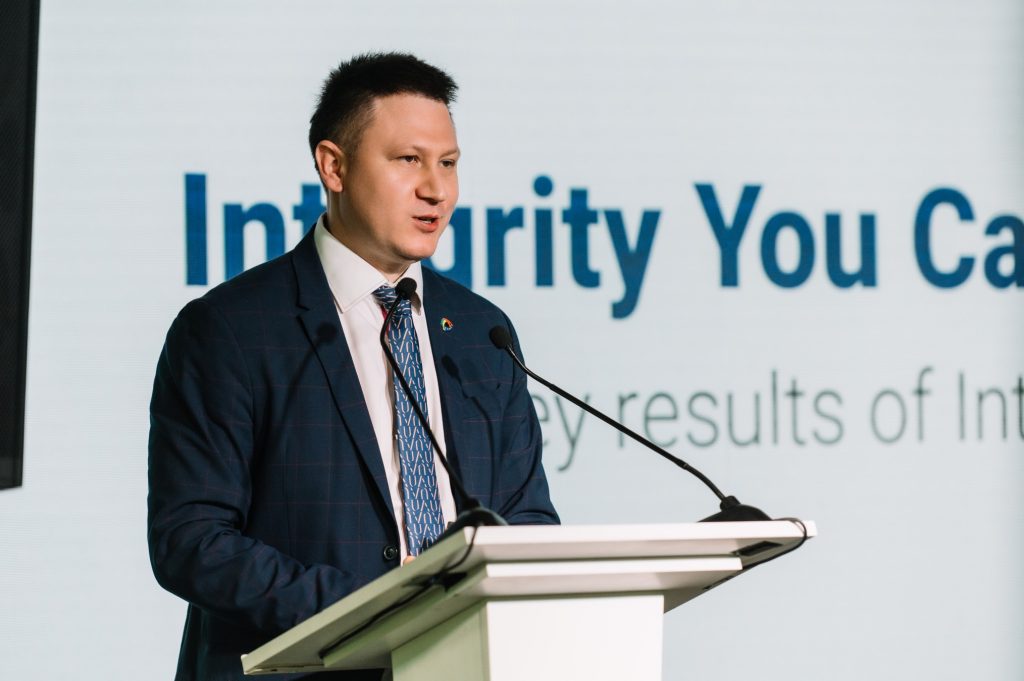
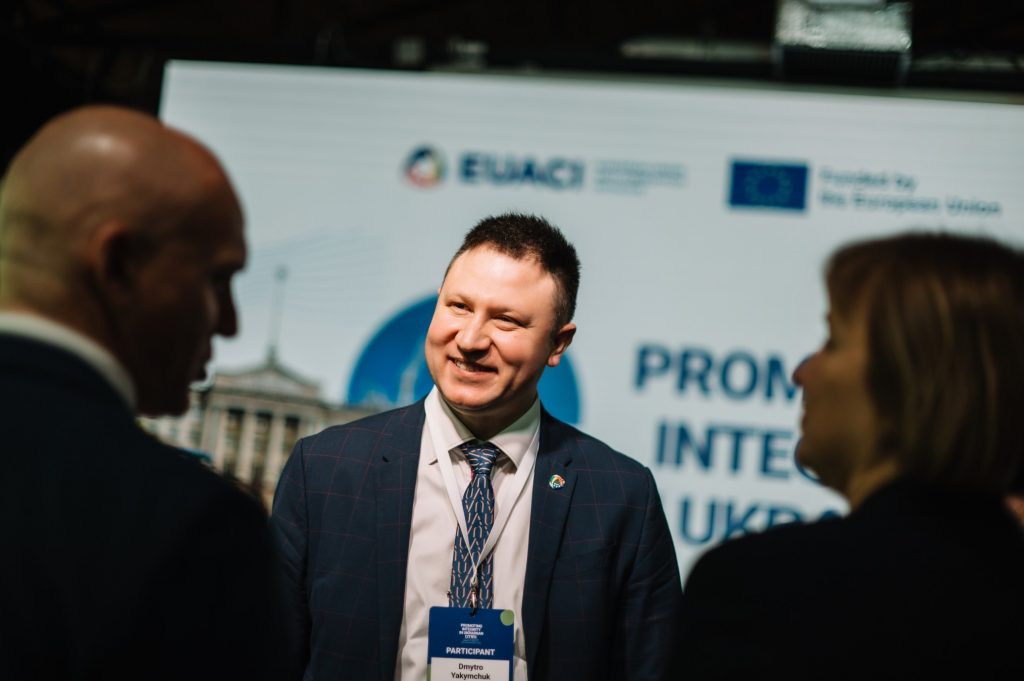
During the event, Dmytro Yakymchuk, Team Lead of Integrity Cities Component at the EUACI, spoke about the work of the EU Anti-Corruption Initiative in partner cities and the approaches to working on integrity. Cooperation with cities began in 2018, and the Program now has seven partner cities: Zhytomyr, Mariupol, Nikopol, Sheptytskyi, Chernivtsi, Mykolaiv, and Poltava. Over this time, the cities have moved from assessing corruption risks to systemic change: they have approved and started implementation of Integrity Plans, established effectively functioning internal audit units, launched geographic information systems and e-Reception services, introduced corporate governance and a KPI system for municipal enterprises, and changed the rules for technical supervision of construction.
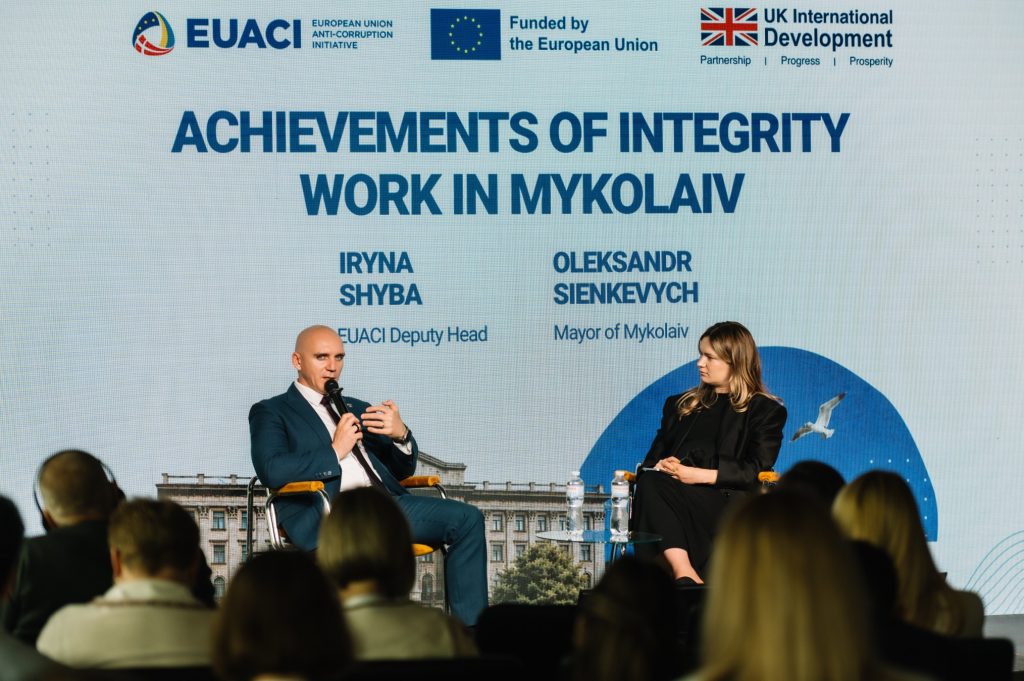
Mykolaiv joined the EUACI Integrity Cities in 2022, when Denmark took the city under its patronage for recovery. Mykolaiv’s integrity achievements were discussed in an open interview between Iryna Shyba, Deputy Head of the EUACI, and Mykolaiv City Mayor Oleksandr Sienkevych.
According to Oleksandr Sienkevych, over the years of cooperation the city has made integrity a working tool. Updated procurement procedures delivered UAH 40 million in savings in 2025. Budget revenues from outdoor advertising grew elevenfold thanks to quality regulatory policy. The city approved a new structure for the city council and, for the first time in Ukraine, formed the supervisory board of a municipal enterprise according to the OECD corporate governance standards. Recently, the city council approved the city’s Integrity Plan for 2026–2028 — a roadmap for the coming years. He also added that the city hosts the EUACI Integrity Support Office, which supports the implementation of these changes.
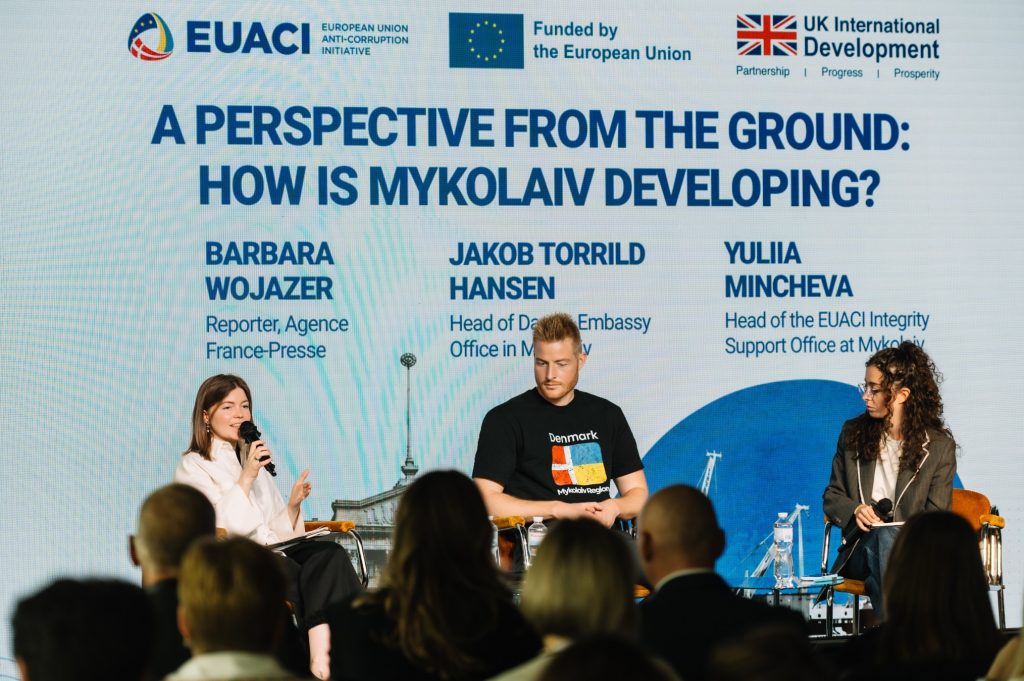
The panel discussion featured representatives of partner cities: Sheptytskyi Mayor Andriy Zalivskyi, Nikopol Mayor Oleksandr Saiuk, Acting Poltava Mayor Kateryna Yamshchykova, Acting Zhytomyr Mayor Halyna Shymanska, and Deputy Mayor of Chernivtsi Yevhenii Makhovikov.
The city leaders described concrete changes in their communities. In Sheptytskyi, Nikopol, Zhytomyr, and Chernivtsi, the management culture changed thanks to open competitions, the introduction of GIS, and the launch of e-Reception services for citizens. Chernivtsi is a notable example. Here, the right to use public amenity facilities is allocated through the Prozorro.Sale system. As a result, at one auction for the right to place a mobile structure, the starting price of the lot increased almost 40-times, from UAH 9,000 to over UAH 350,000.

Poltava joined the Integrity Cities in 2025. Acting Poltava Mayor Kateryna Yamshchykova said that the city began work on new modules and restored public access to its geoportal, which had been closed since the start of the full-scale invasion. According to her, this makes information about urban planning open and clear for residents and businesses.
The tools launched with EUACI support will continue to work even after the programme ends, because for the cities they are no longer an external requirement but their own way of working.
At the end of the event, a new format of cooperation between cities was presented — a community for sharing experience and mutual support. It will be useful for those who want to adopt proven integrity practices and apply them in their own cities. The first participants were Boyarka, Fastiv, Myrhorod, Khmelnytskyi, and Trostyanets.





EU Anti-Corruption Initiative (EUACI) — the leading anti-corruption programme in Ukraine, funded by the European Union, UK International Development, co-funded and implemented by the Ministry of Foreign Affairs of Denmark.The current third phase was launched in April 2024 and runs until August 2027.
Integrity Cities is the EU Anti-Corruption Initiative’s (EUACI) project designed to increase the transparency and accountability of local authorities by optimizing internal procedures and processes, engaging the community in decision-making and facilitating access to information. The cooperation is based on a strong local ownership and leadership by city mayors and their teams. It started in 2018 and covered five cities: Zhytomyr, Mariupol, Nikopol, Sheptytskyi, and Chernivtsi. In 2022, Mykolaiv joined the project, followed by Poltava in 2025.