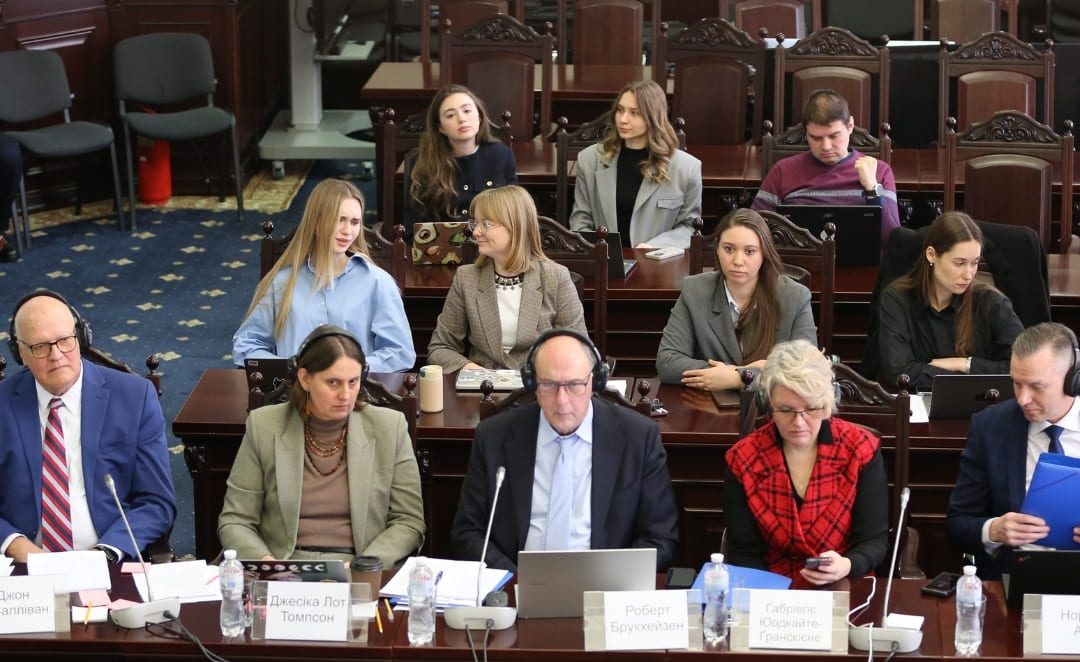
We asked this question to 12 teachers from different regions of Ukraine at the facilitated discussion held by the EUACI on July 22. Instead of a list of abstract values, we ended up with very concrete answers and seven clusters of problems that teachers face every day.
Shadow tutoring. Opaque distribution of teaching hours and bonuses. A marketplace of certificates instead of real professional development. Parents who message at 10 PM. Competitions where adults’ ambitions compete rather than children’s knowledge. Photo reports instead of actual work. Websites with the homework solutions, AI, and grades that have nothing to do with real knowledge and learning.
Beyond naming the problems, the participants developed solutions that a teacher can apply “from Monday” without anyone’s approval.
- Assessment: dropping grades for standard homework; shifting to project-based and oral formats; transparent criteria announced in advance.
- Personal example: openly acknowledging your own mistakes; respecting copyright in your own materials; refusing to buy certificates.
- Community: an internal “social contract” within the staff; sharing experience instead of competing; publicly discrediting plagiarism as a professional practice.
- Time boundaries: a “quiet mode” from 6 PM to 8 AM and no responses to work chats in the evening; moving communication to official channels.
The most common argument against integrity in schools is that “as long as the system stays the way it is, nothing can change.” Every step listed above is something each teacher can take on their own without an order from the Ministry, a decision by the pedagogical council, or approval from the parents’ committee.
Because raising integrity in children starts with your own example.