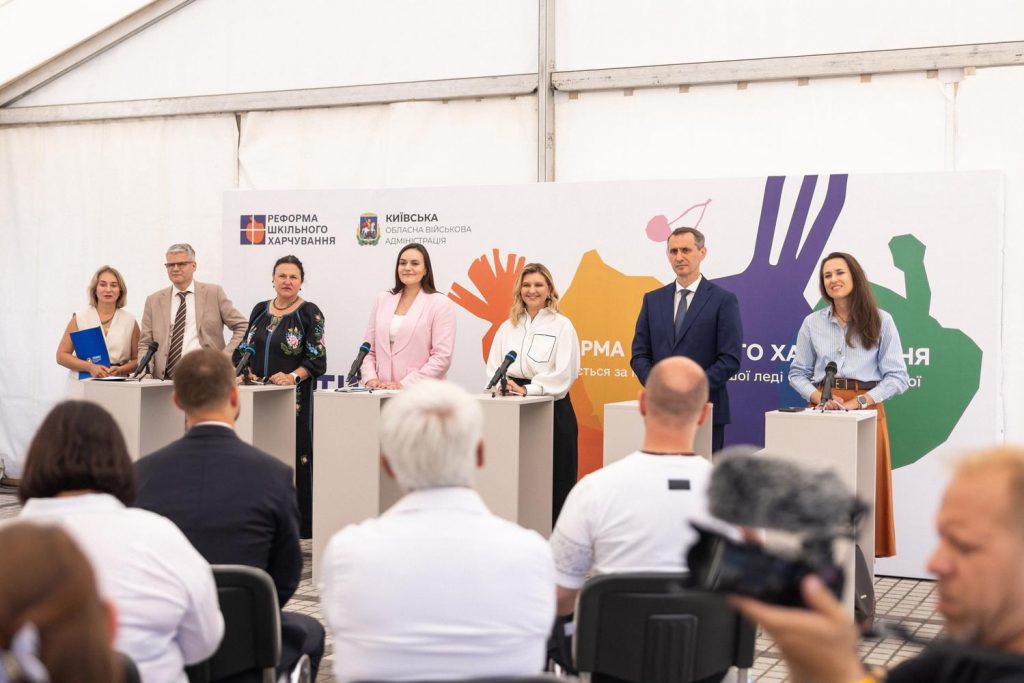
On 17 July, Allan Pagh Kristensen, the EUACI Head participated in the School Nutrition Festival of the Kyiv region. The event was dedicated to healthy food and school nutrition reform in Ukraine.
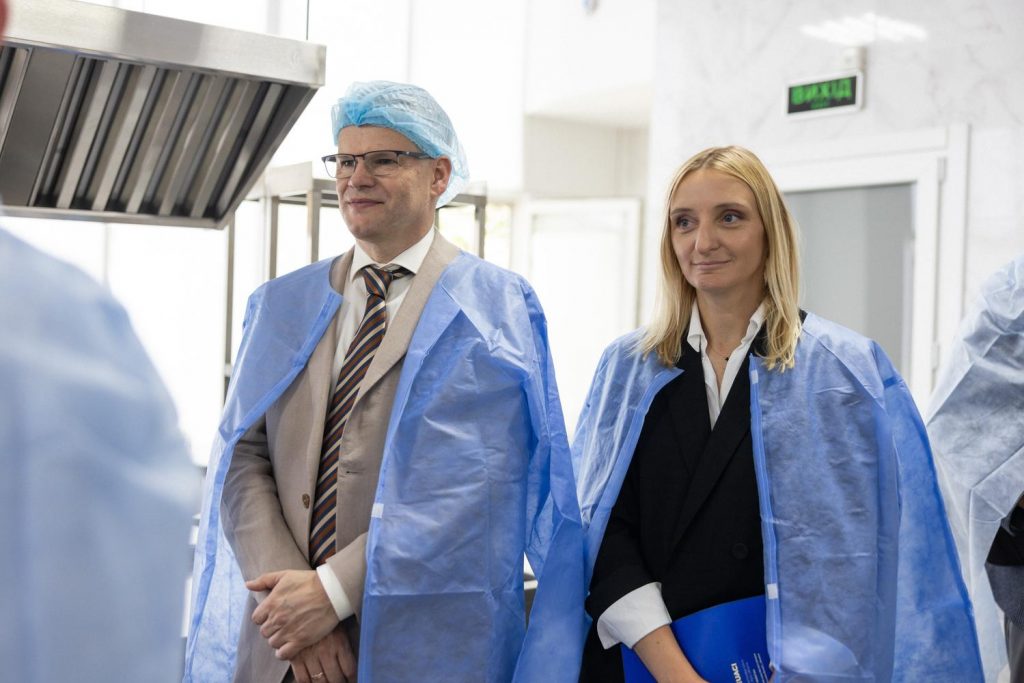
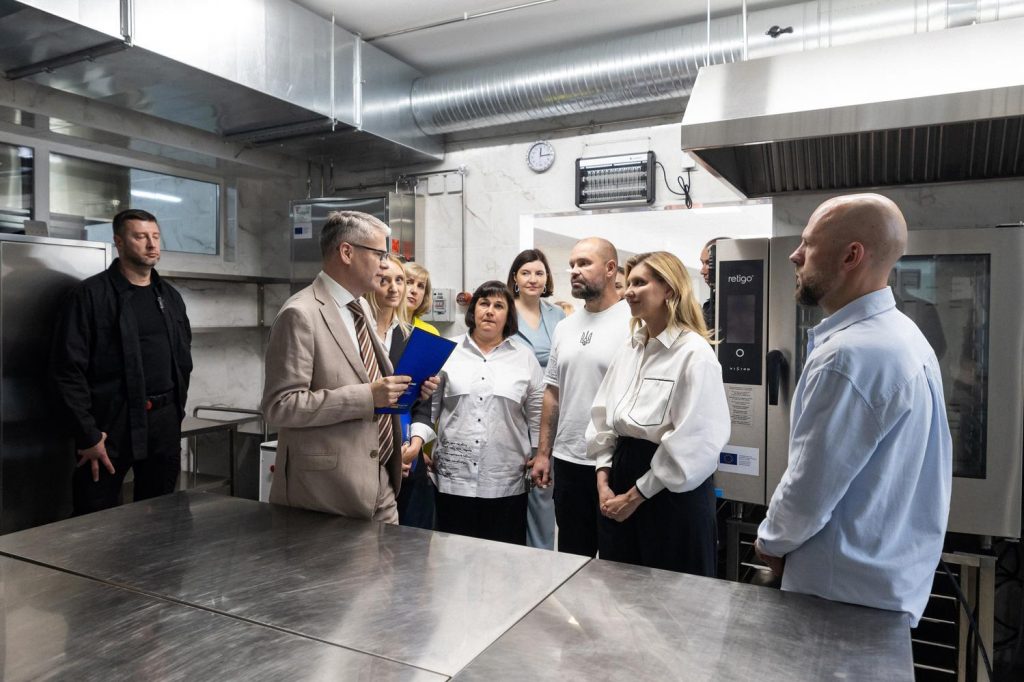
The participants visited the canteens in Boryspil district, modernised by state subventions funds, monitored by the EUACI. The First Lady Olena Zelenska, ministers, the EU Ambassador and regional administration representatives were among the participants. The EUACI Head presented the results of the Programme’s work on monitoring the use of state subventions for school canteen modernisation in 2024-2026, highlighting the savings achieved and improvements in project quality.
Over three years, the EUACI experts reviewed 465 projects and identified UAH 362.9 million in unjustified costs. These savings made it possible to finance 39 additional projects, allowing more children to benefit from the reform.
More than 3,000 representatives of local authorities participated in EUACI’s training on procurement, construction monitoring, budgeting, and project implementation. The EUACI developed practical guidance and launched a public monitoring dashboard to increase transparency of all processes.
“We already see the impact of this work. The quality of project documentation submitted by communities in 2026 has improved significantly compared to previous years. This shows that prevention is not only about mitigating risks — it is also about building capacity, transferring knowledge, and helping communities,” said Allan Pagh Kristensen, the EUACI Head.
The programme included visits to: Boryspil Lyceum “Lider”, where children explored healthy eating through creative and culinary; Boryspil Professional College, home to the Culinary Hub which trains school nutrition specialists; and Shchaslyvskyi Academic Lyceum, where culinary workshops, quizzes, sports activities and talks with nutritionists.
The EUACI continues to support the school nutrition reform by promoting integrity, transparency, and accountability in the use of public funds, while helping local authorities build the capacity needed to implement infrastructure projects effectively.