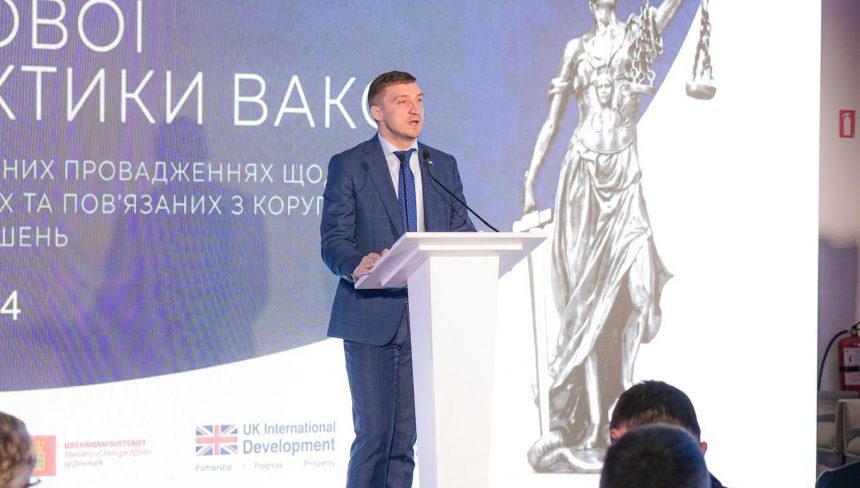
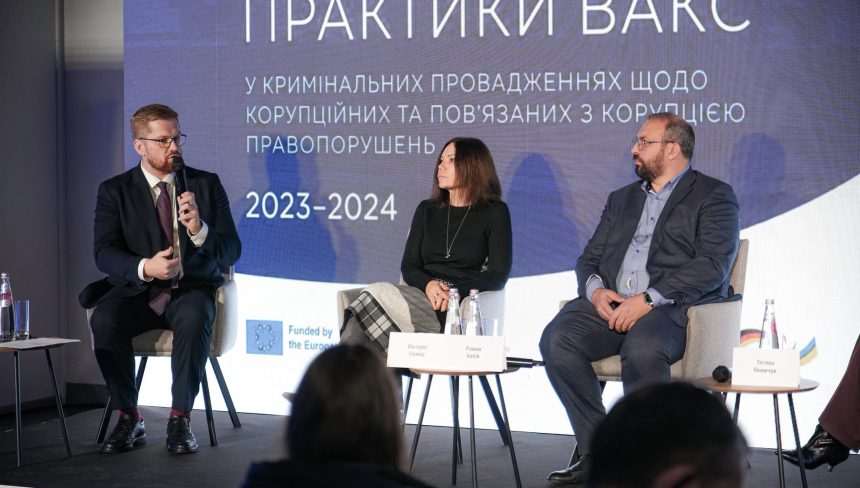
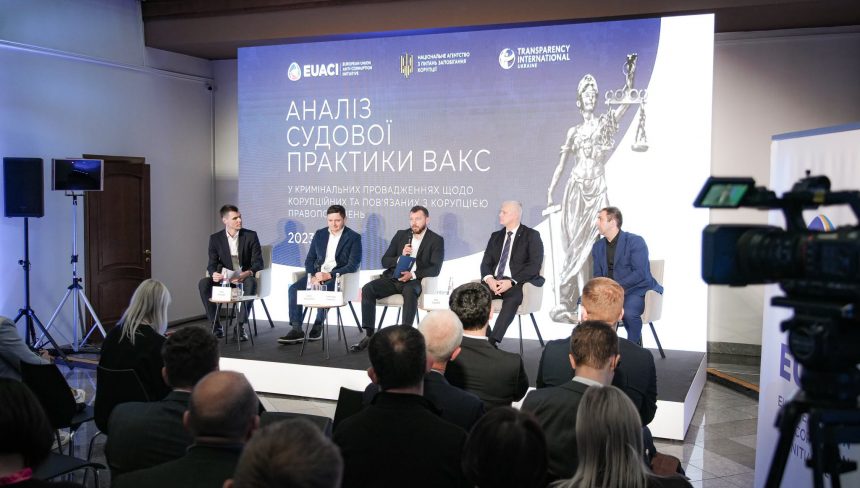
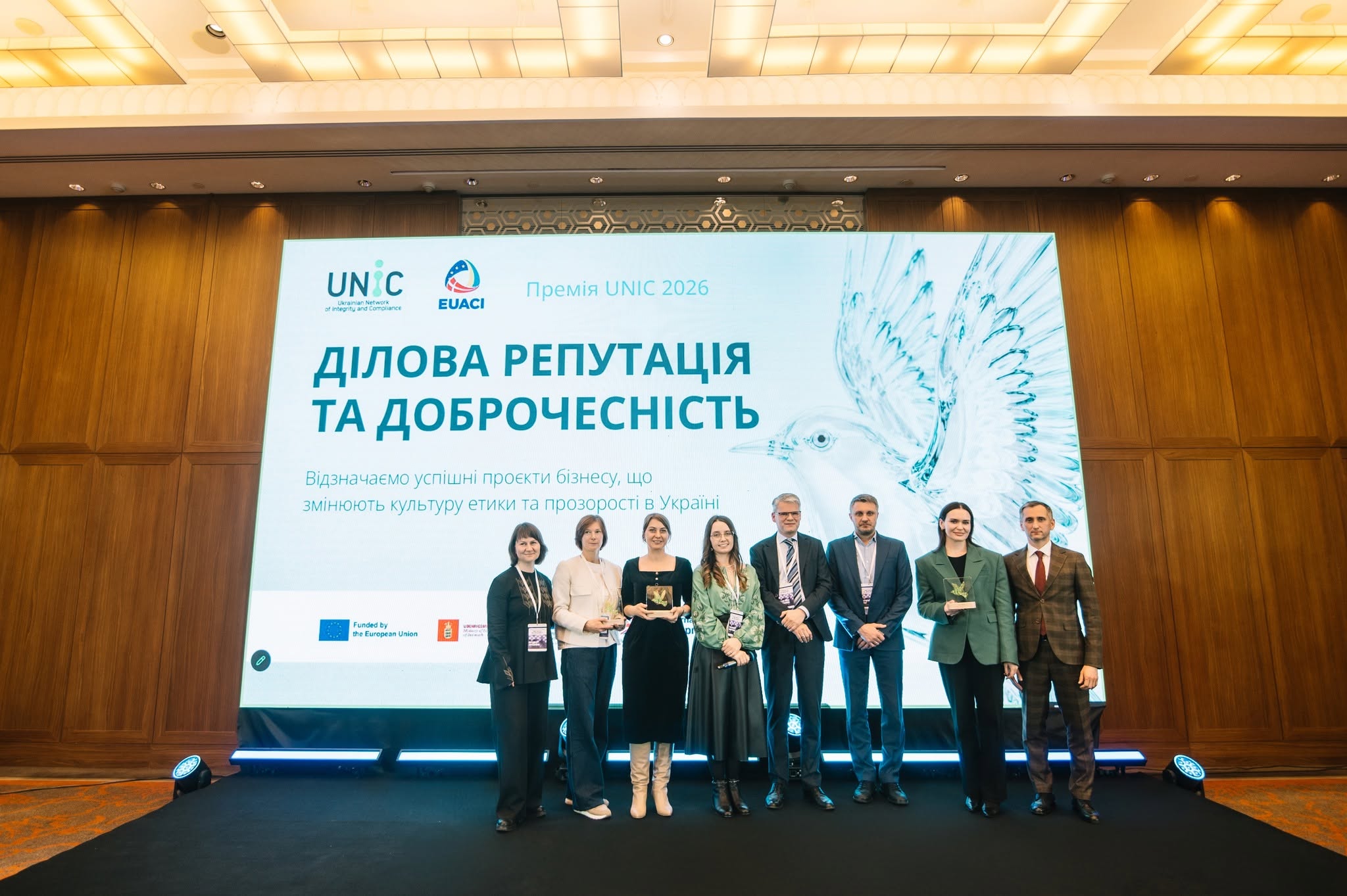
In the first half of 2025, the average duration of proceedings at the High Anti-Corruption Court (HACC) decreased by almost 200 days — to 451 days. Factors contributing to this positive trend include the introduction of single-judge adjudication and the increased use of plea agreements.
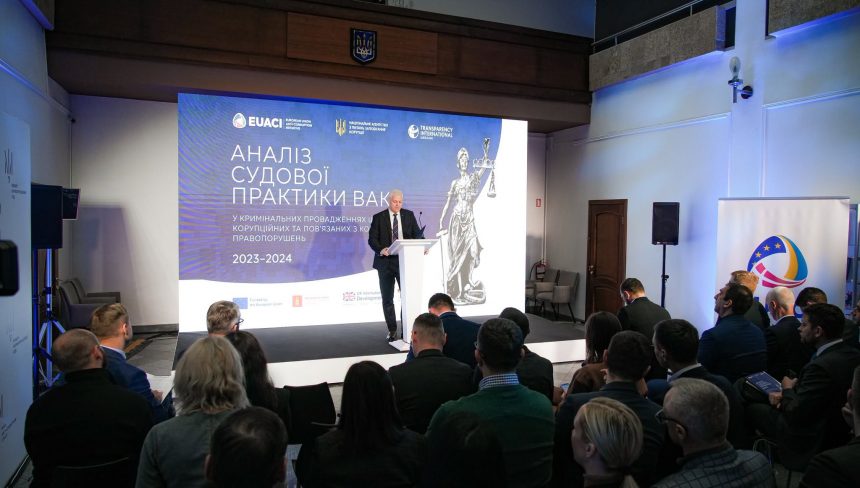
This is one of the findings of a study conducted by Transparency International examining the case law of HACC and its Appeals Chamber in 2023–2024. The results were presented on 6 November at the event “Anti-Corruption Justice on Ukraine’s Path to the EU: Current State and Necessary Legislative Changes.”
What else did the study reveal?
- Proceedings involving plea agreements take an average of 40 days, compared with 968 days without such agreements — approximately 24 times faster.
- HACC has developed reasonably consistent and predictable case law on most key issues of substantive criminal law and criminal procedure.
- The study identifies opportunities to improve efficiency through better case management, further preventing abuses of procedural rights, and harmonising judicial approaches in certain areas.
How can these positive developments be sustained, and what legislative changes are needed to strengthen anti-corruption justice?
These questions brought together judges of HACC and its Appeals Chamber, members of Parliament, and representatives of NABU, SAPO, NACP, the Ministry of Justice, legal professionals, civil society, and representatives of international organisations.
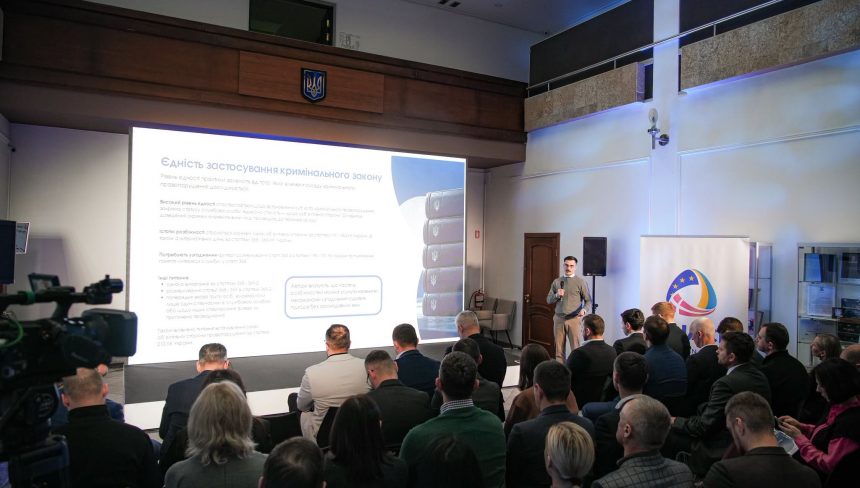
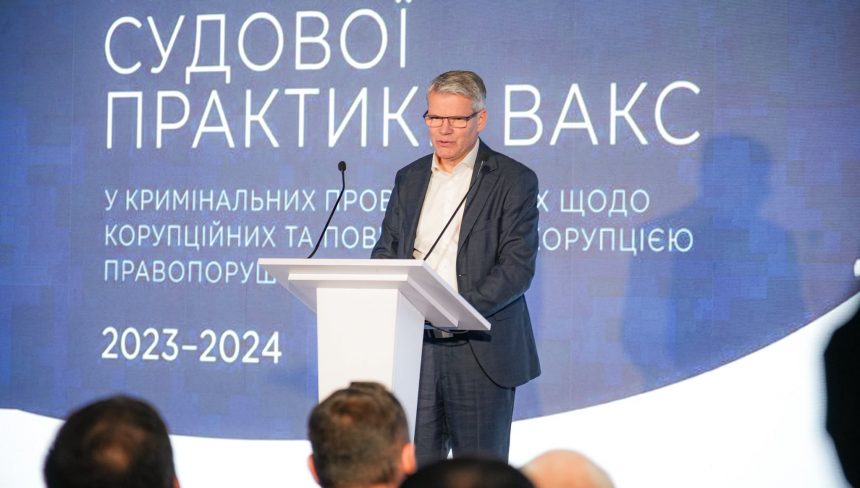
HACC President Ihor Strohyі, EUACI Head Allan Pagh Kristensen, and NACP Deputy Head Dmytro Kalmykov opened the presentation event. Pavlo Demchuk, an expert at Transparency International and author of the study, presented key findings.
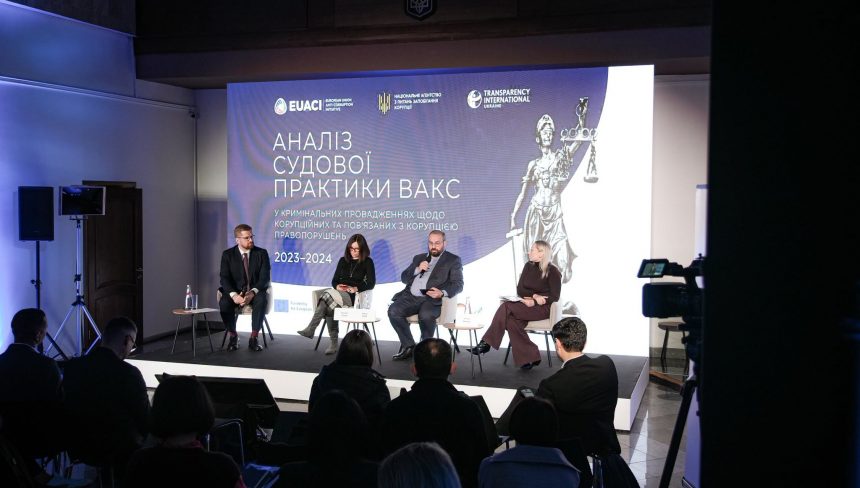
The two panel discussions focused on more effective case management, preventing delays in judicial proceedings, and legislative changes needed to further strengthen anti-corruption justice and fulfil Ukraine’s EU integration commitments.
The event was jointly organised by HACC, NACP, Transparency International Ukraine, and the EU Anti-Corruption Initiative (EUACI).
The full study (in UA): https://drive.google.com/file/d/1e_9OAR0RMaPUqEFCKCMEKHV2j8bvk-NR/view?usp=sharing