War and reconstruction add growing pressure on local budgets, and decisions made in city councils increasingly shape the trust of residents in their local authorities. To protect public funds from corruption, cities need safeguards inside their own systems. Internal audit is one of them: it regularly checks how processes work and flags risks to management, often before they become harmful. Yet, few Ukrainian communities have such a function. According to a recent Ministry of Finance survey, just 125 of 1,344 communities reported having an internal audit function.
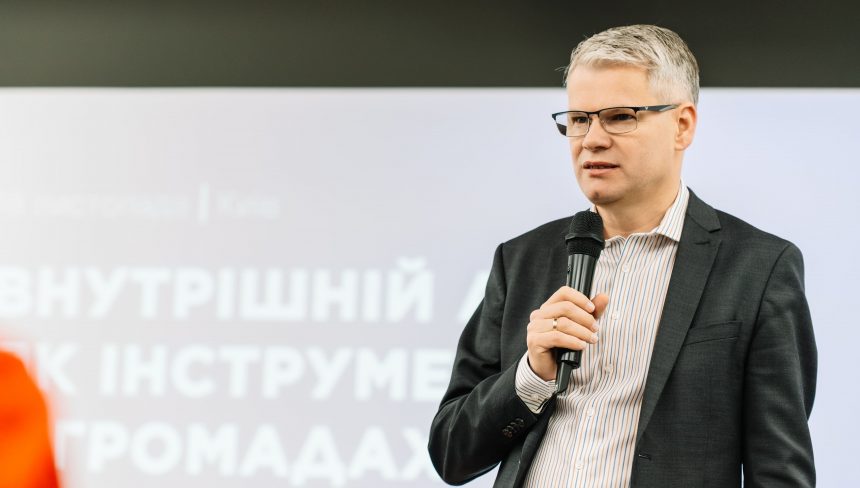
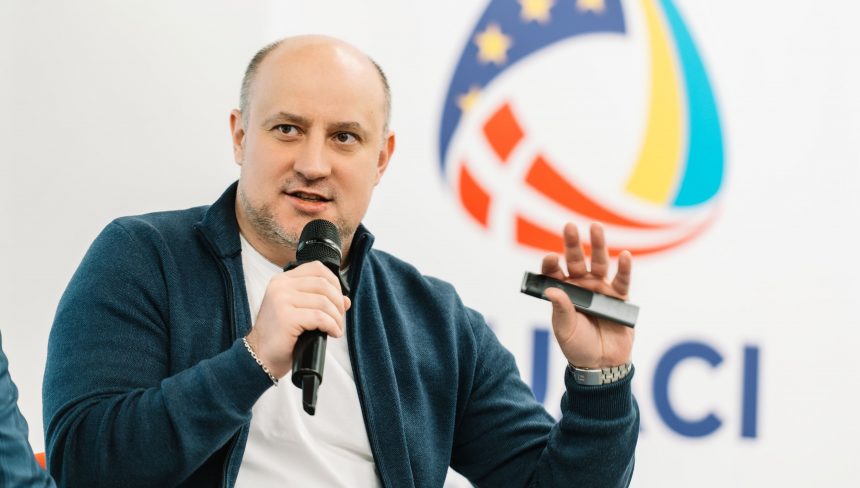
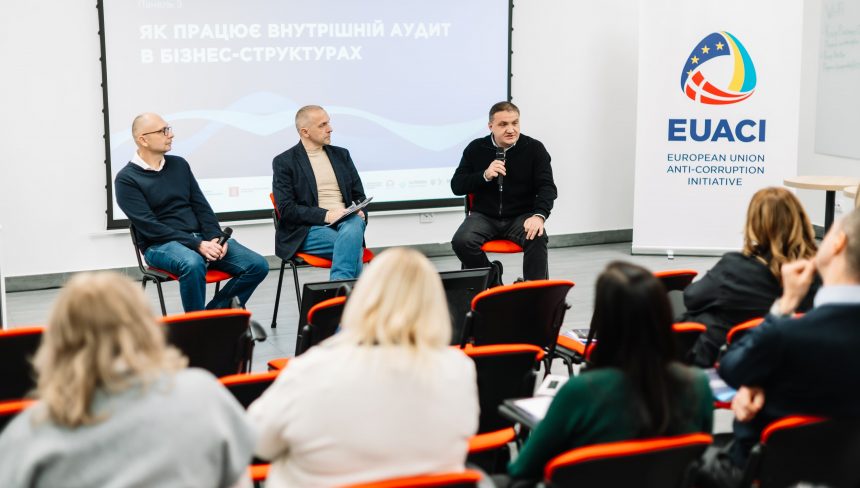
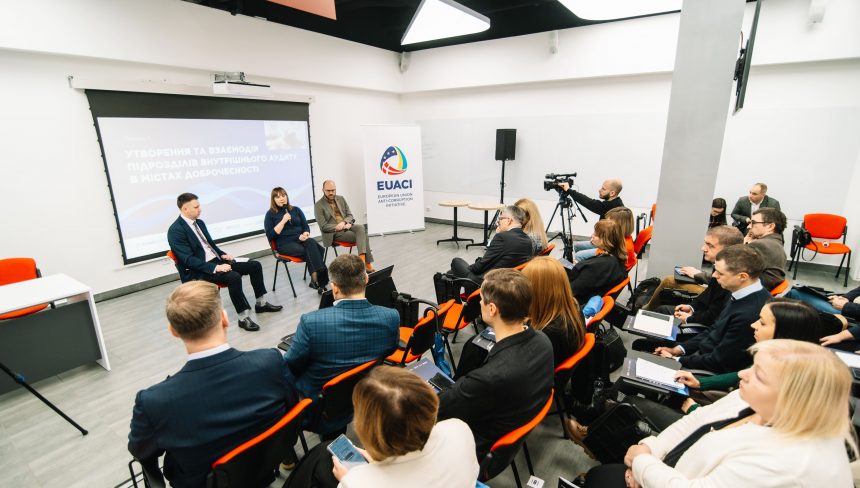
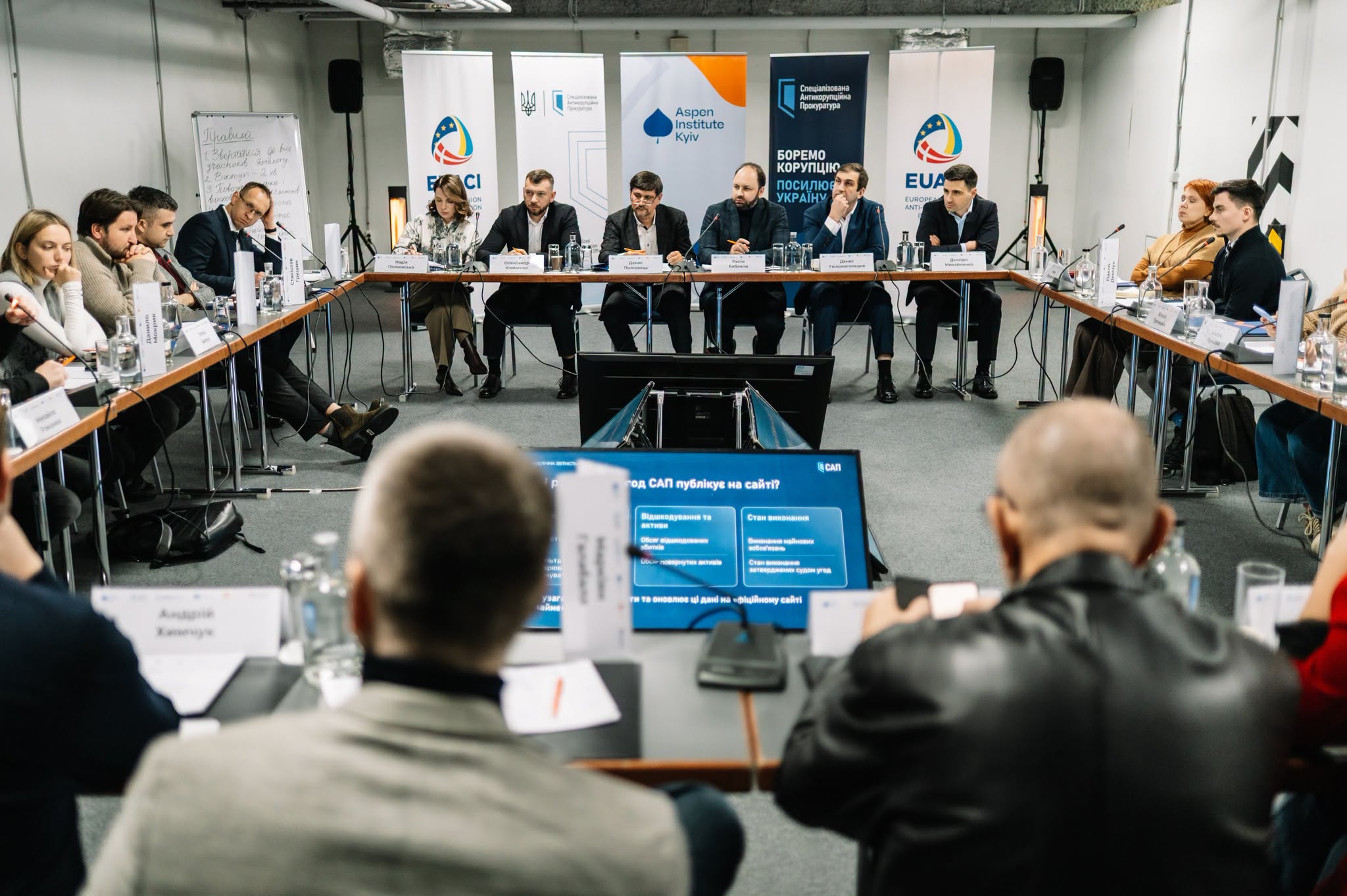
On 18 November, the EU Anti-Corruption Initiative (EUACI) and U-LEAD with Europe held the expert discussion “Internal Audit as a Tool for Change in Communities” in Kyiv. Around 100 participants joined online and offline. They included representatives of the State Audit Service, the Ministry of Finance, the Accounting Chamber, the Association of Ukrainian Cities, the Institute of Internal Auditors, a Members of Parliament, and representatives of Kyiv City State Administration, Ukrnafta, Ukrzaliznytsia and Integrity Cities.
During the discussion, participants explained why creating such units is difficult. For local governments, most national rules on internal audit are only recommendations. Budgets are limited, and salaries make it hard to attract and retain qualified specialists. Many people also still see an auditor as an inspector rather than an adviser.
With the EUACI’s support, Zhytomyr and Chernivtsi have had internal audit units in place for a year and have already completed their first audits, Mykolaiv and Sheptytskyi are now recruiting staff.
“For us, internal audit is a tool for preventing corruption risks; better to prevent corruption than to deal with its consequences. In Zhytomyr, for example, an audit made spending on the city’s transport monitoring system more transparent and saved money. In Chernivtsi, an audit prevented paying twice for the same services. We see how our work in cities strengthens integrity and transparency and helps fight corruption”, said Allan Pagh Kristensen, Head of the EUACI, opening the event.
Søren Herbst, Head of the Multilevel Governance Support Unit at U-LEAD with Europe, which co-organised the discussion, highlighted the European dimension of internal audit at the local level.
“Internal audit is a tool for good governance, efficient use of public resources and stronger accountability at the local level. The European Commission’s latest Ukraine Report positively acknowledges the piloting of internal audit in Ukrainian municipalities. Our shared task now is to create the conditions for the systematic implementation of internal audit across hromadas,” he said.
Representatives of national institutions and the Parliament suggested several ways to develop internal audit in communities: showing success stories of communities that secured donor funding thanks to a functioning internal audit, considering a separate law on internal control and internal audit as part of Ukraine’s EU accession, and amending the Budget Code to allow different approaches to internal audit for communities of different sizes.
To help communities take the first steps, the EUACI presented a methodological guide “Organisation and Implementation of Internal Audit in Local Self-Government Bodies”. Its recommendations draw on the experience of Zhytomyr and Chernivtsi and set out nine practical steps for creating a unit and making it work. A separate chapter covers the role of audit in preventing corruption. The guide is available here.
The EUACI continues to support Integrity Cities and other partner cities in introducing tools for transparent, accountable and integrity-based governance.
Recording of the discussion: https://www.youtube.com/live/kltsSCXXcOk