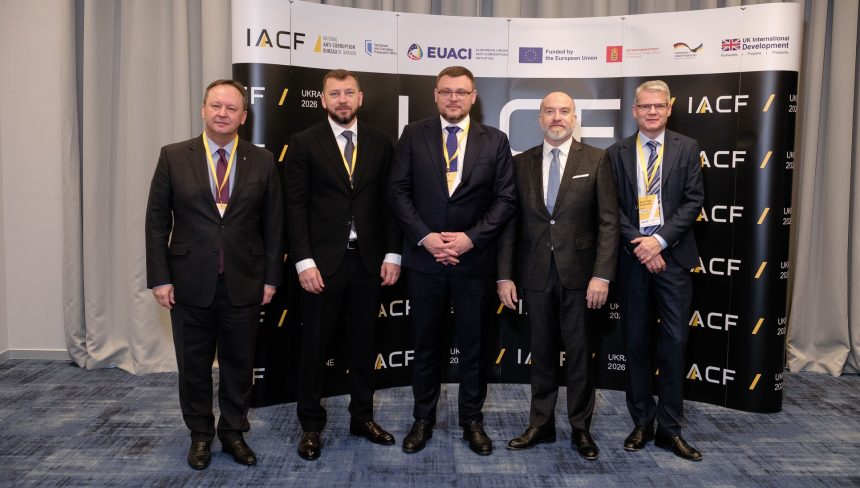
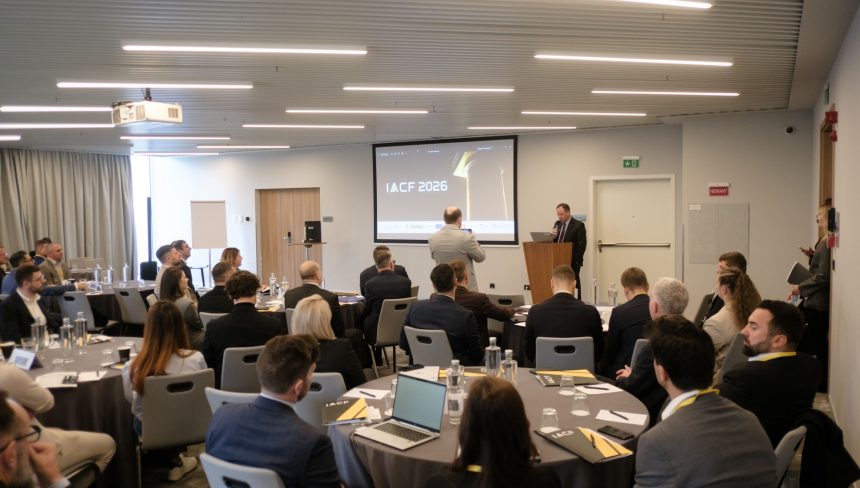
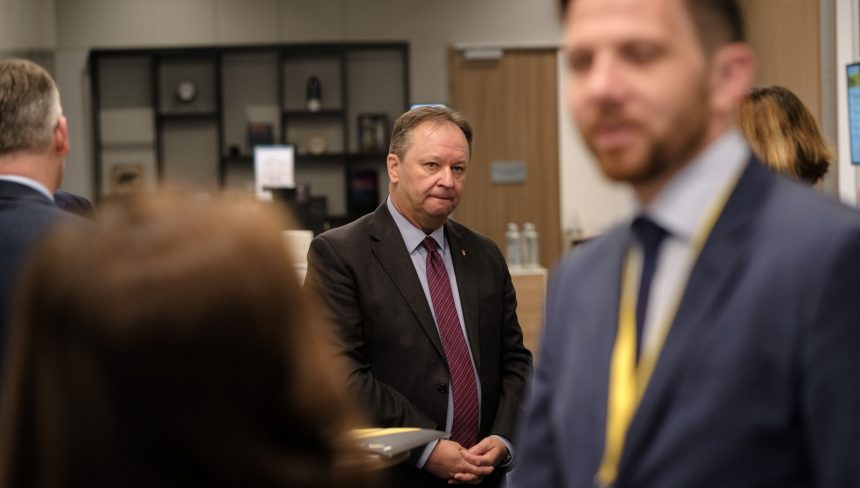
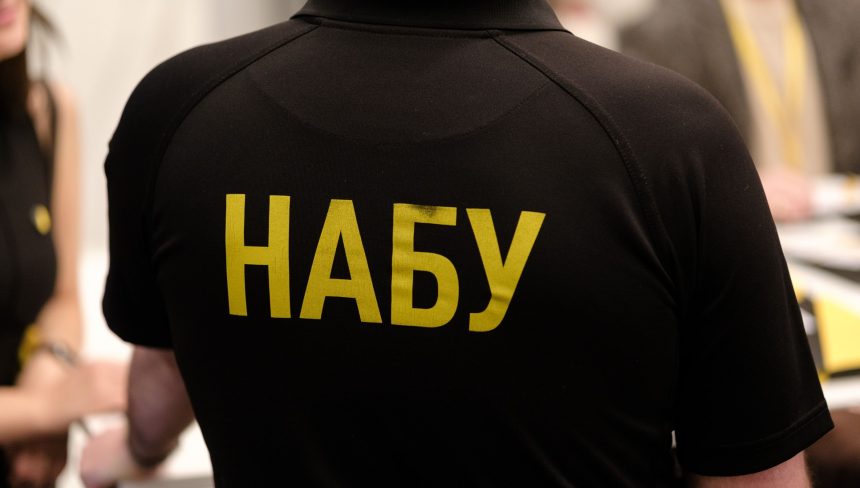
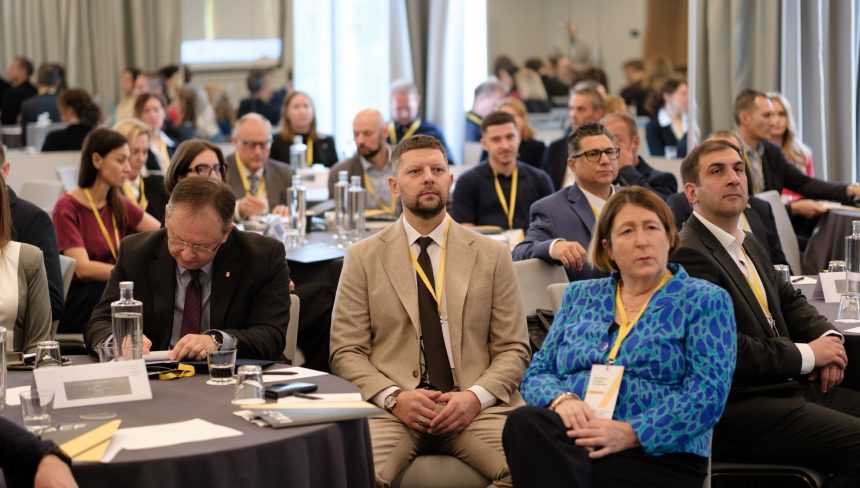
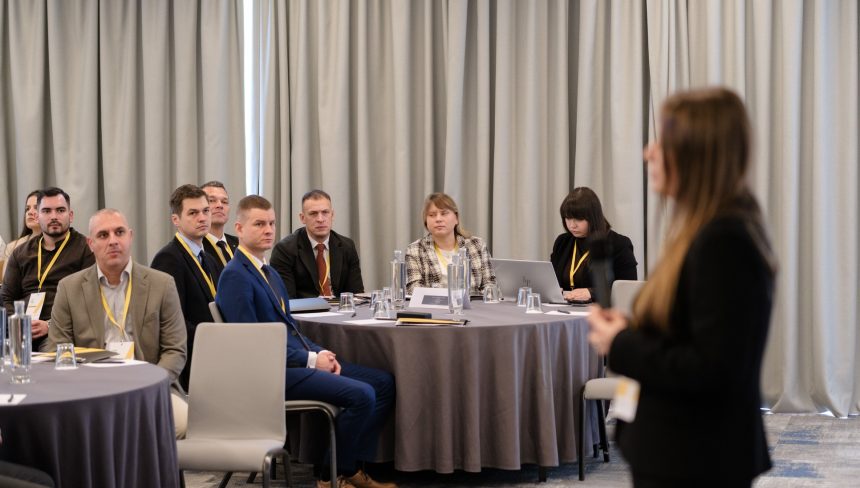
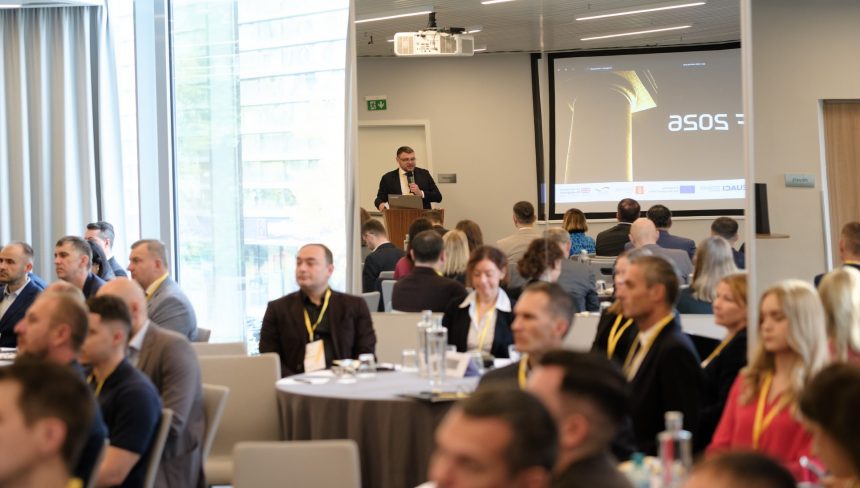
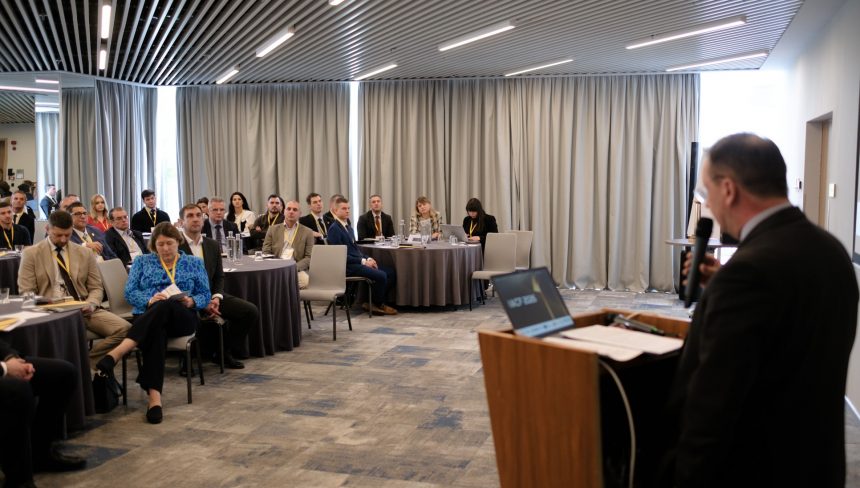
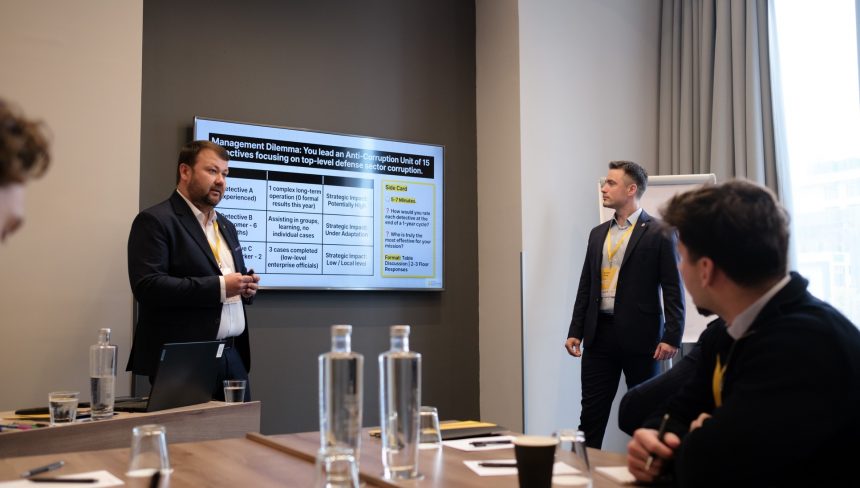
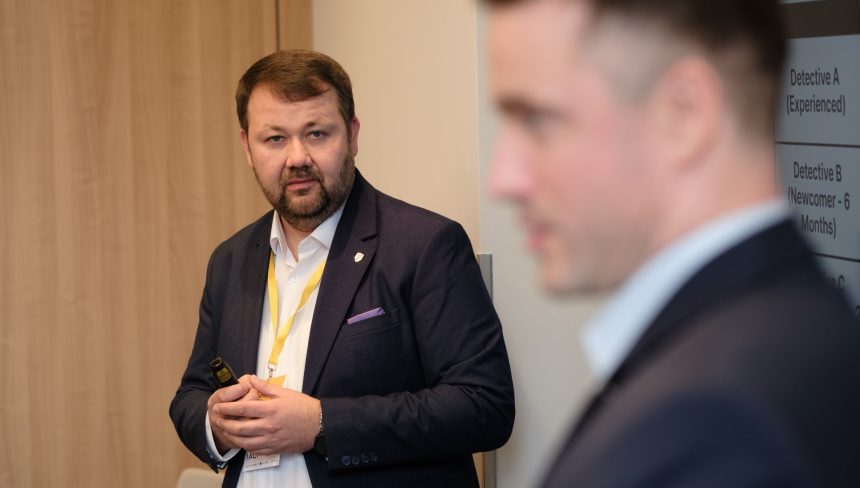
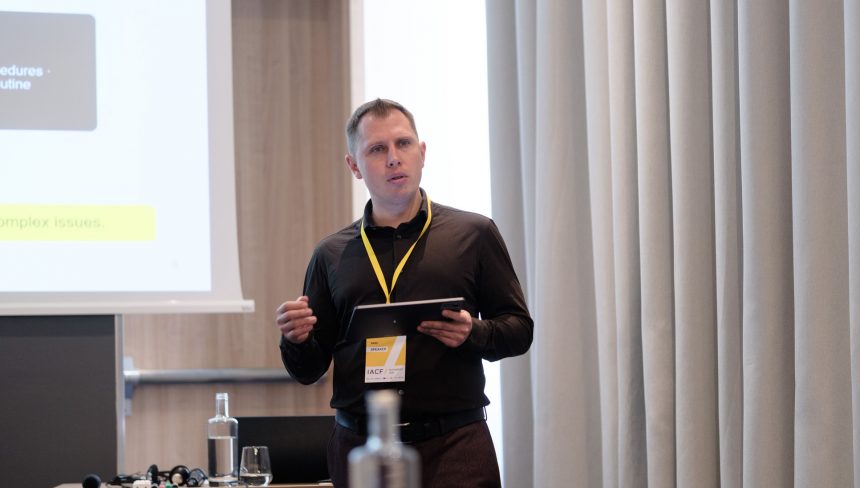
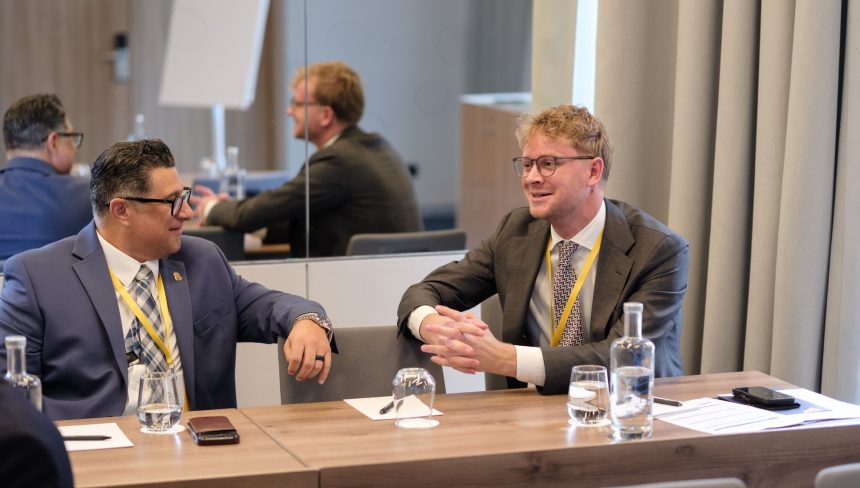
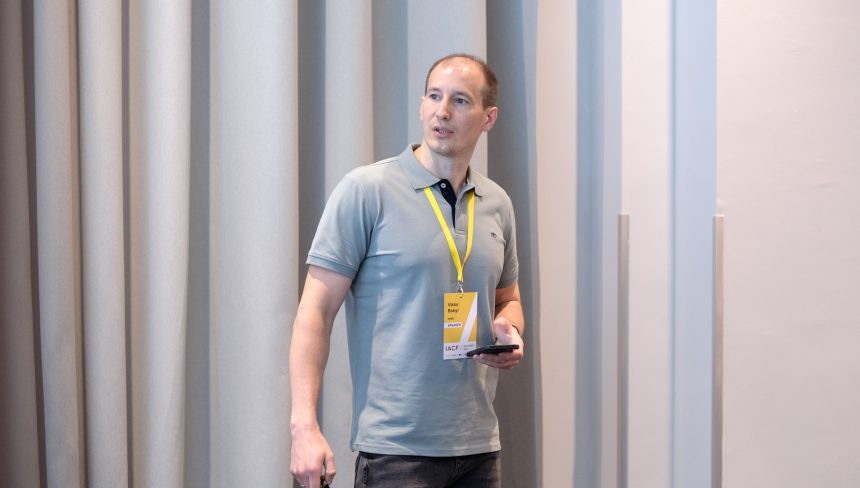
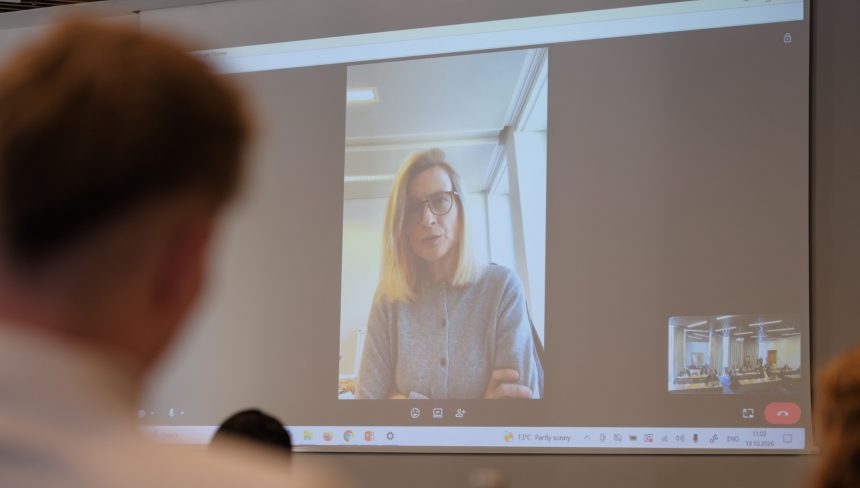
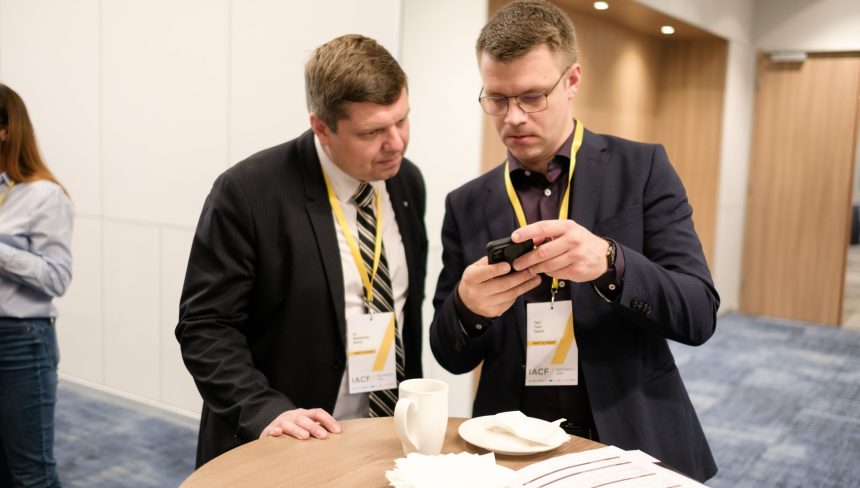
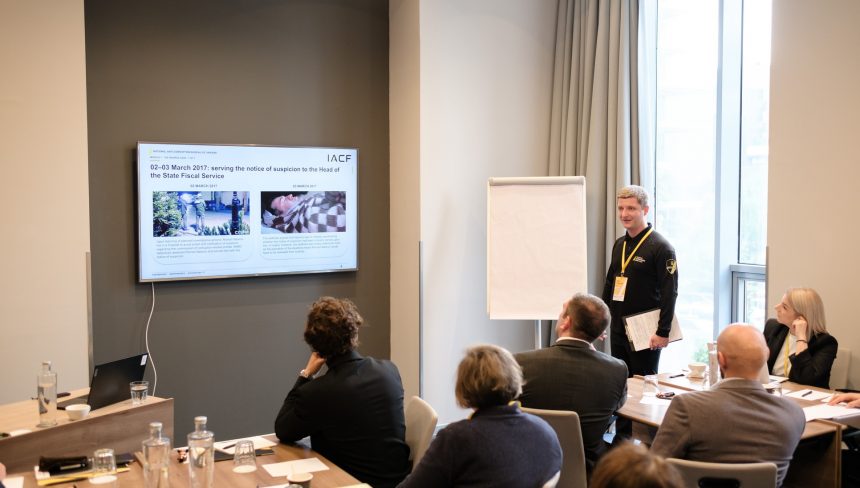
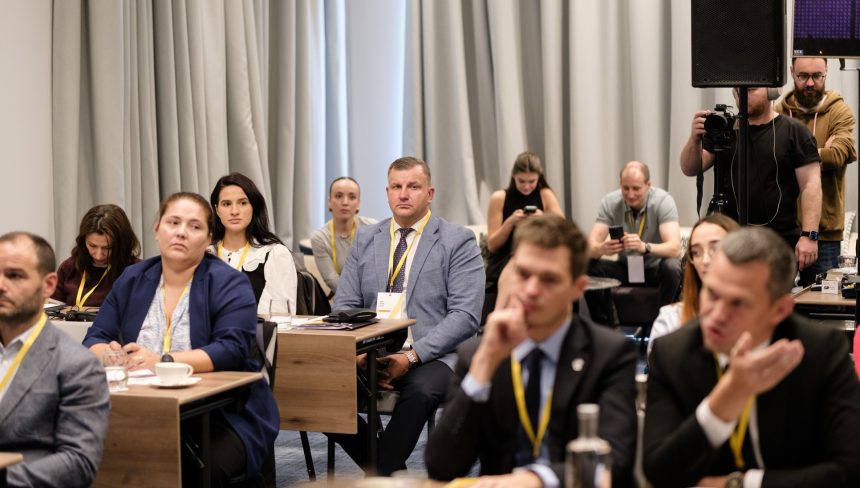
On 19 October, the first International Anti-Corruption Forum (IACF 2026) held with the support of the EU Anti-Corruption Initiative (EUACI), took place in Bucharest, Romania. The forum brought together around 100 detectives, investigators, prosecutors, analysts and other anti-corruption professionals, including 75 international representatives from 32 countries and international organisations and 25 participants from Ukraine.
For the first time, Ukraine initiated its own international forum for anti-corruption practitioners, creating a platform to exchange expertise and strengthen cooperation among law enforcement and anti-corruption authorities from different countries.
Over the past decade, Ukraine has developed a system of specialised independent anti-corruption institutions capable of investigating high-level corruption. Today, Ukraine’s anti-corruption institutions are not only learning from international partners but also sharing their own experience in investigating complex corruption cases, using digital tools and modern operative approaches.
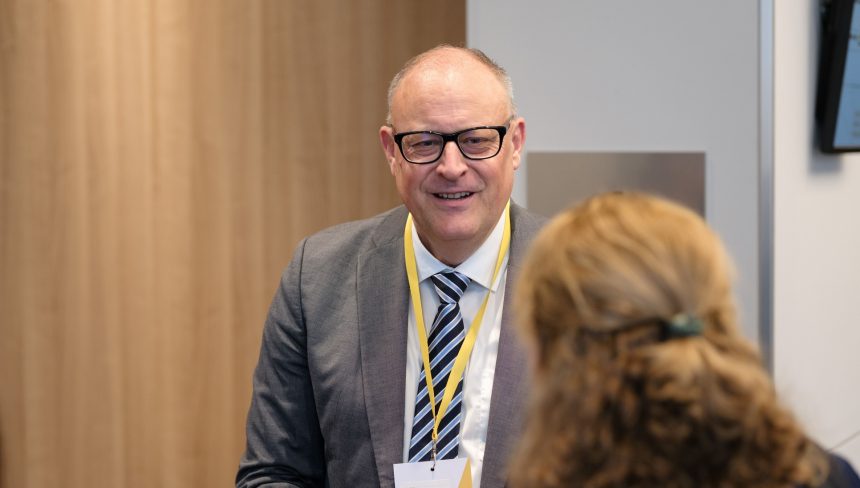
“For many years, we have supported NABU, SAPO, and the High Anti-Corruption Court. We have seen how these institutions have developed and become successful. They now have a robust capacity, strong expertise, they are independent, and they don’t shy away from going after very high-level cases. For NABU and SAPO, it is important to be an active part of the international community of law enforcement and prosecuting bodies, be part of networking, exchanging practices, and promoting cooperation. Many of these high-level cases have international connections, and NABU and SAPO depend on support from international partners to be successful in their work,”
said Allan Pagh Kristensen, Head of the EU Anti-Corruption Initiative.
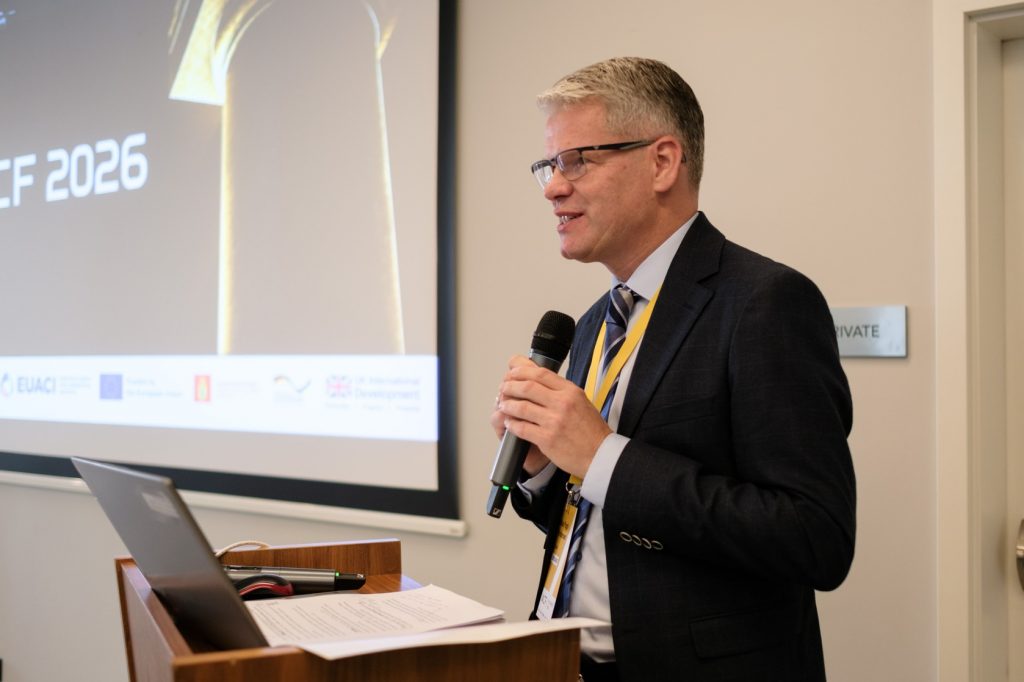
Throughout the day, participants exchanged practical experience in key areas, including financial investigations and asset recovery, international cooperation, digital transformation, data and artificial intelligence, evidence collection and prosecution in complex corruption cases, strategic management of law enforcement institutions, institutional resilience and security, and cooperation with civil society.
Particular attention was paid to the achievements of Ukraine’s anti-corruption system. In the first nine months of 2026, NABU and SAPO served notices of suspicion to 180 individuals and referred 84 indictments involving 180 persons to court. During the same period, 86 convictions involving 116 individuals became final.
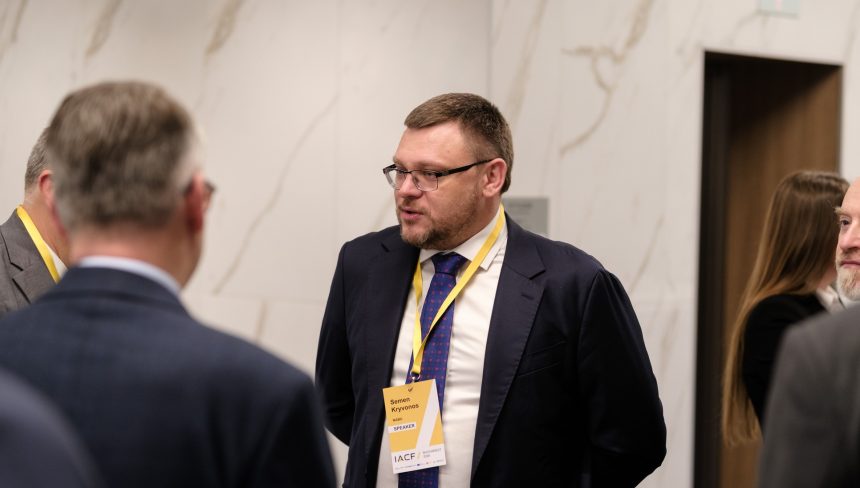
“People are used to talking about Ukraine as a country with corruption. In fact, Ukraine is a country that fights corruption — and fights it successfully. For years, we learned from our partners. Today, we have experience of our own to share: how to investigate high-level corruption during wartime, how to work with large volumes of data, and how to maintain independence under pressure,”
said Director of the National Anti-Corruption Bureau of Ukraine, Semen Kryvonos, at the opening of the forum.
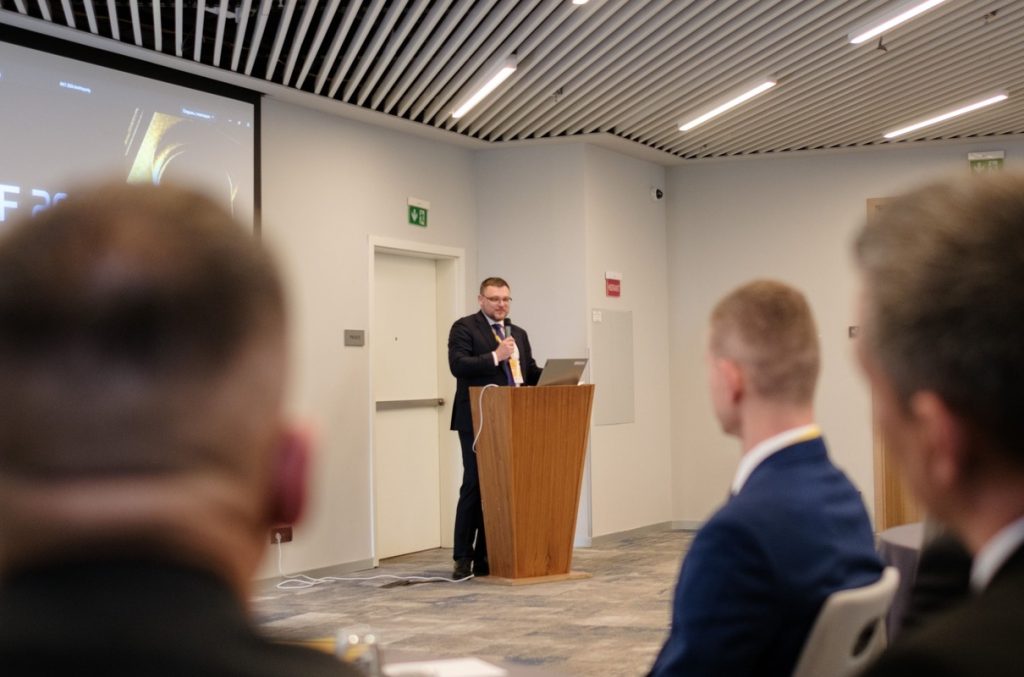
At the same time, Ukraine’s anti-corruption institutions continue to operate under the conditions of Russia’s full-scale invasion, investigating high-level corruption and protecting public resources. Institutional independence and the ability to pursue investigations free from political interference remain essential to their effectiveness.
“We know the cost of corruption during war. Money lost through abuses in defence contracts cannot be used to support our soldiers. Corruption in the energy sector adds risks while Russia attacks our power system. Corruption cases often cross borders. Money moves through foreign companies, assets are kept abroad, and suspects may leave Ukraine. We need faster access to evidence, joint investigation teams, help to freeze and recover assets, legal assistance and cooperation on extradition,”
emphasised Oleksandr Klymenko, Head of the Specialized Anti-Corruption Prosecutor’s Office.
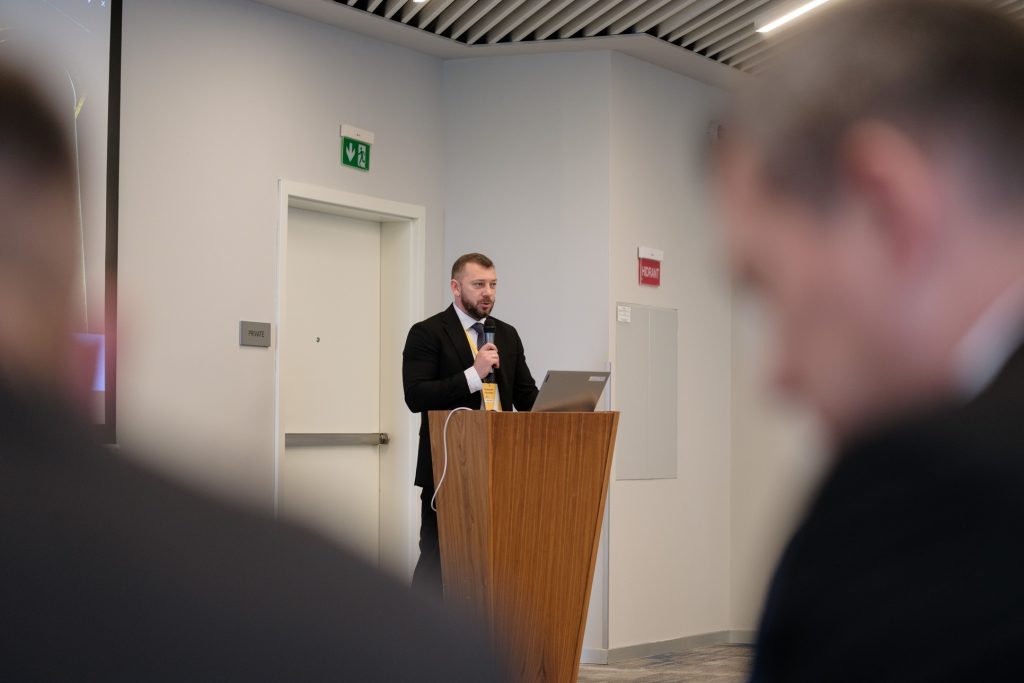
The forum was originally planned to take place in Lviv. Due to the security situation, it was moved to Bucharest to enable broader international participation.
At the closing ceremony, NABU Director Semen Kryvonos announced that Lithuania would host IACF 2027 and passed the “United Against Corruption” travelling award to Lithuania’s Special Investigation Service (STT). Each year, a different country will host the international anti-corruption community, with the award passing to its anti-corruption institution.
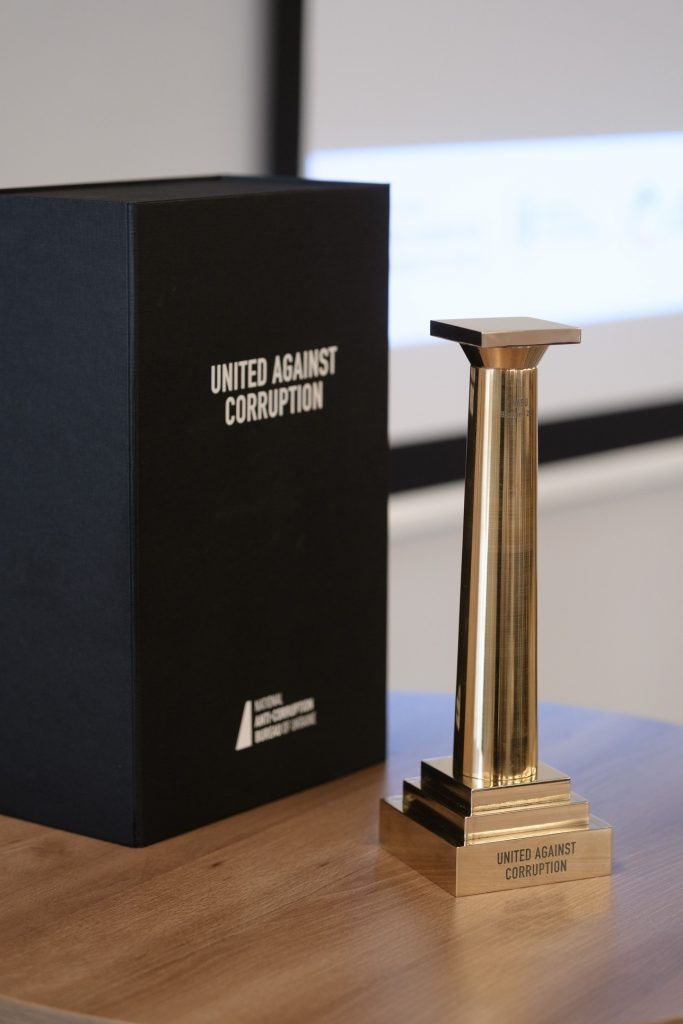
The “United Against Corruption” award symbolises the shared efforts of anti-corruption institutions. It takes the form of a Doric column covered in handcrafted glass created by Ukrainian artists. Each host institution will add its own engraving, gradually turning the award into a symbol of the history of international anti-corruption cooperation.