The EU Anti-Corruption Initiative (EUACI) supported the Donbas Media Forum 2026, held in Kyiv on 8–10 October. The event brought together nearly 1,400 journalists, media professionals, experts and civil society representatives to discuss the challenges facing Ukrainian journalism during wartime.
The EUACI supported the Forum and partnered on two discussions focusing on anti-corruption transparency, public accountability and responsible journalism.
National Security vs. Anti-Corruption Transparency
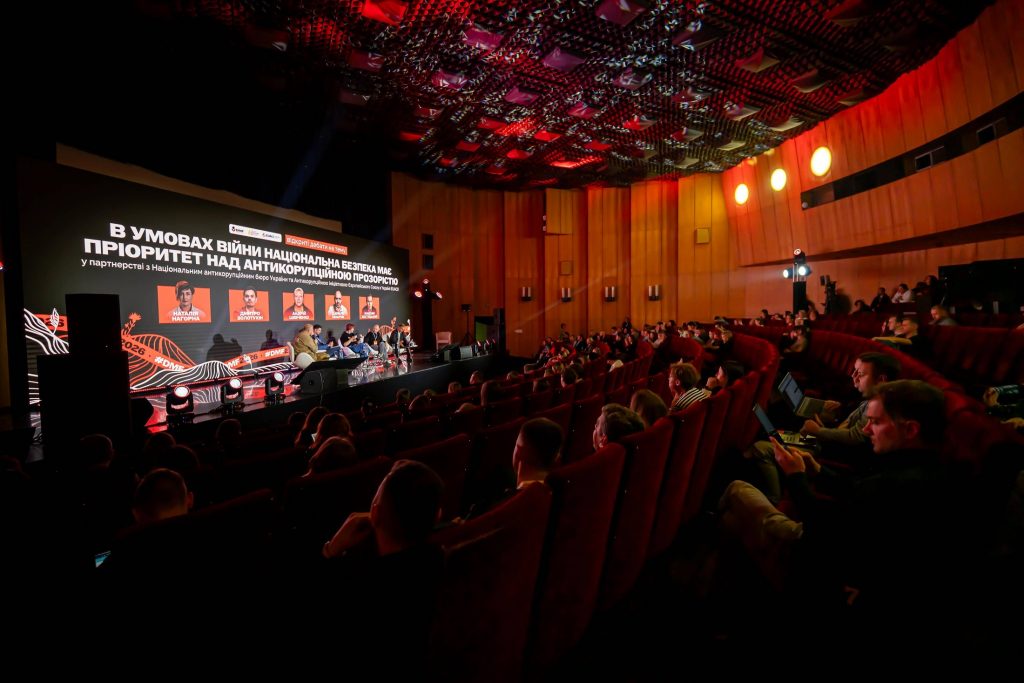
In cooperation with the National Anti-Corruption Bureau of Ukraine (NABU), the EUACI supported an open debate on the motion: “In Wartime, National Security Takes Priority over Anti-Corruption Transparency.”
The discussion explored how Ukraine can protect sensitive information during wartime while ensuring public oversight of government decisions and the use of public funds.
The debate brought together two teams presenting opposing positions:
- Team FOR: Dmytro Zolotukhin, information security expert, and Natalia Nahorna, war correspondent at TSN.
- Team AGAINST: Danylo Mokryk, investigative journalist, and Maksym Kostetskyi, Head of International Advocacy at the Serhiy Prytula Charity Foundation.
Moderator: Andrii Shevchenko, Managing Director for Ukraine at Helsing.
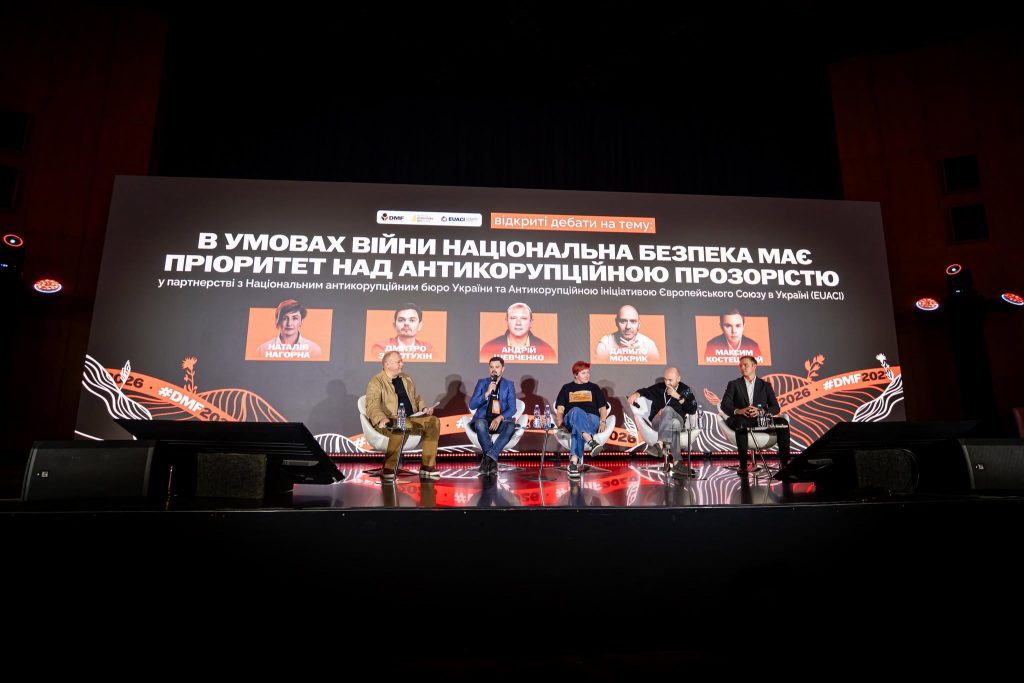
The team supporting the statement argued that excessive transparency could expose sensitive information and create risks for national security. The opposing team emphasised that corruption itself undermines Ukraine’s defence capabilities and that restricting transparency can increase the risk of abuse.
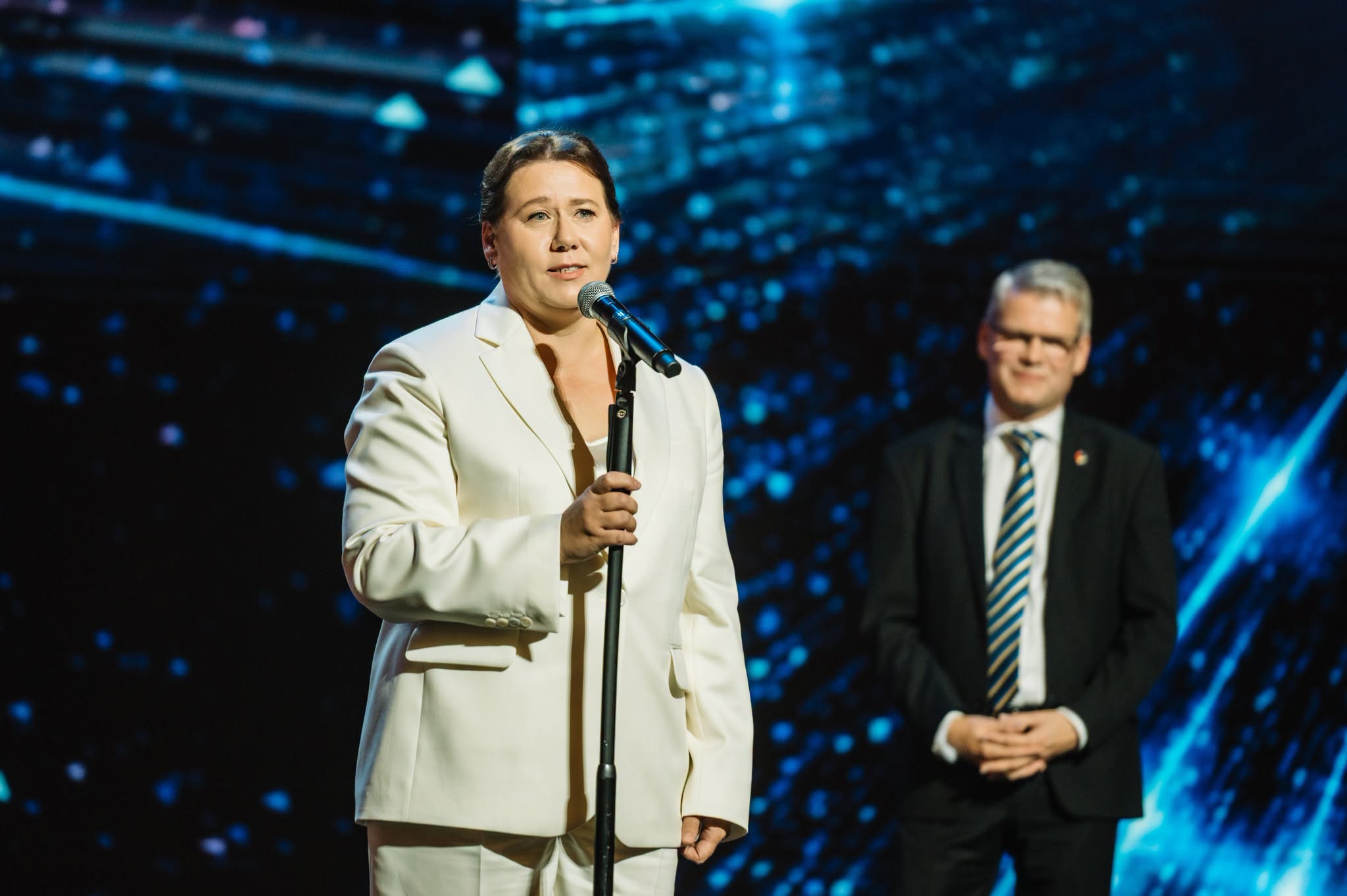
NABU Director Semen Kryvonos also contributed to the discussion, highlighting the importance of the rule of law and the role of investigative journalism in exposing corruption.
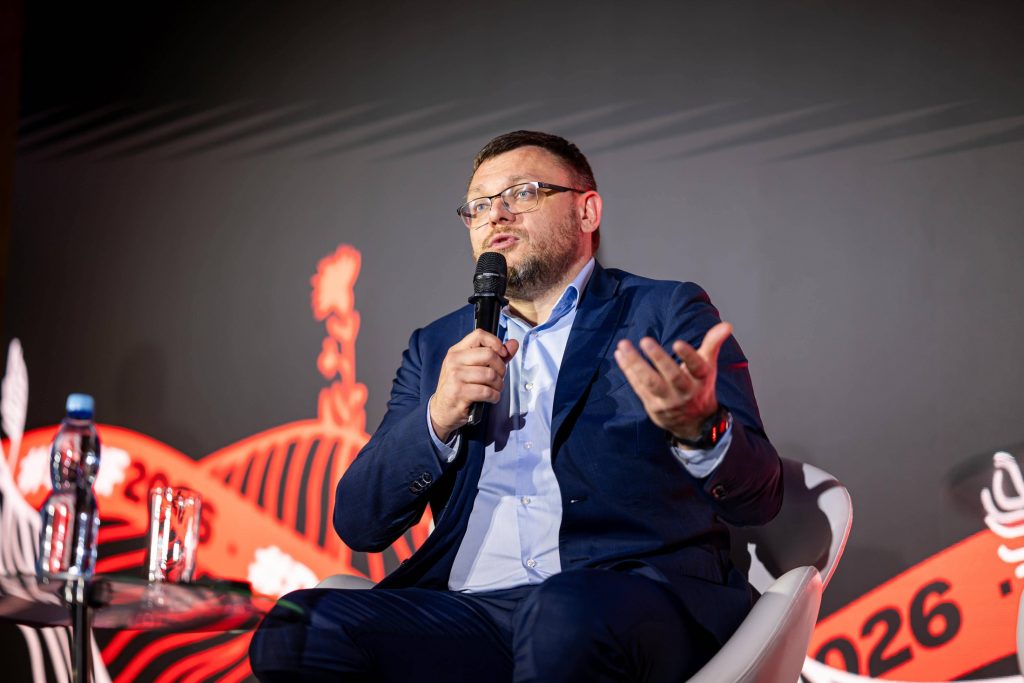
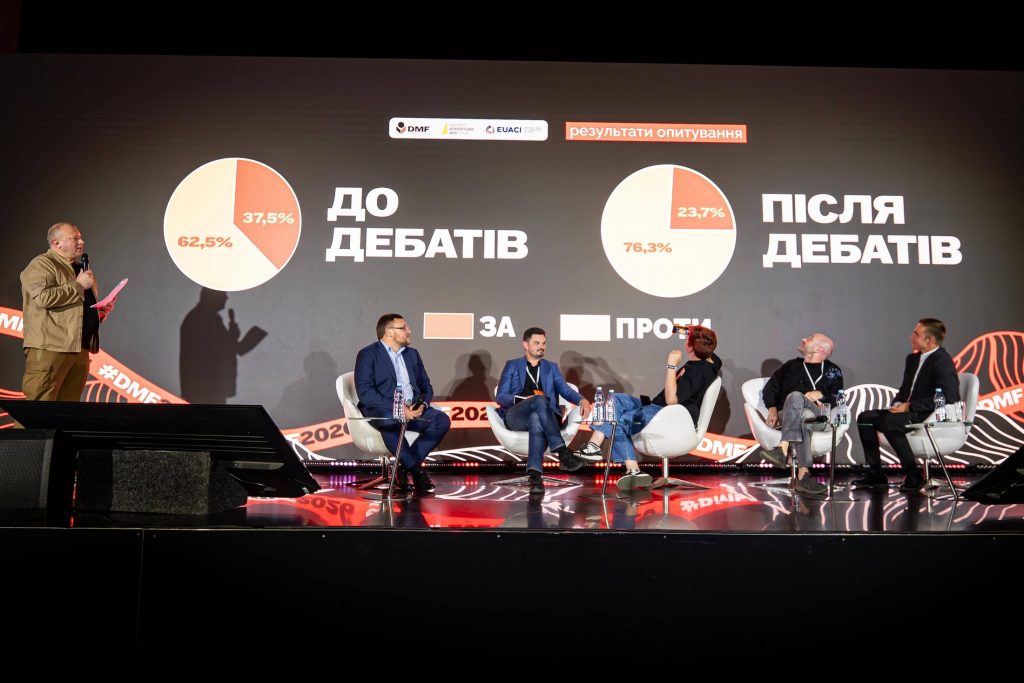
A distinctive feature of the debate was an audience vote held both before and after the discussion. The share of participants voting against the motion increased from 62.5% to 76.3%, making Team AGAINST the winner.
The Right to Make Mistakes and the Price of Headlines
The second discussion supported by the EUACI addressed journalistic errors, editorial responsibility and their impact on public trust.
The panel, “The Right to Make Mistakes and the Price of Headlines,” explored how newsrooms should respond when published information turns out to be inaccurate, what legal consequences may follow, and how media organisations can rebuild trust with their audiences.
The speakers included:
- Lesia Ivanova — Deputy Editor-in-Chief of Bihus.Info;
- Natalia Onysko — Executive Director and Co-Founder of NGL.media;
- Anna Litvishchenko — Legal Team Representative at the Institute of Regional Press Development (IRPD);
- Olena Holub — Analyst at the Institute of Mass Information (IMI).
Moderator: Otar Dovzhenko, Media Development Expert at Lviv Media Forum NGO and Deputy Editor-in-Chief of LB.ua.
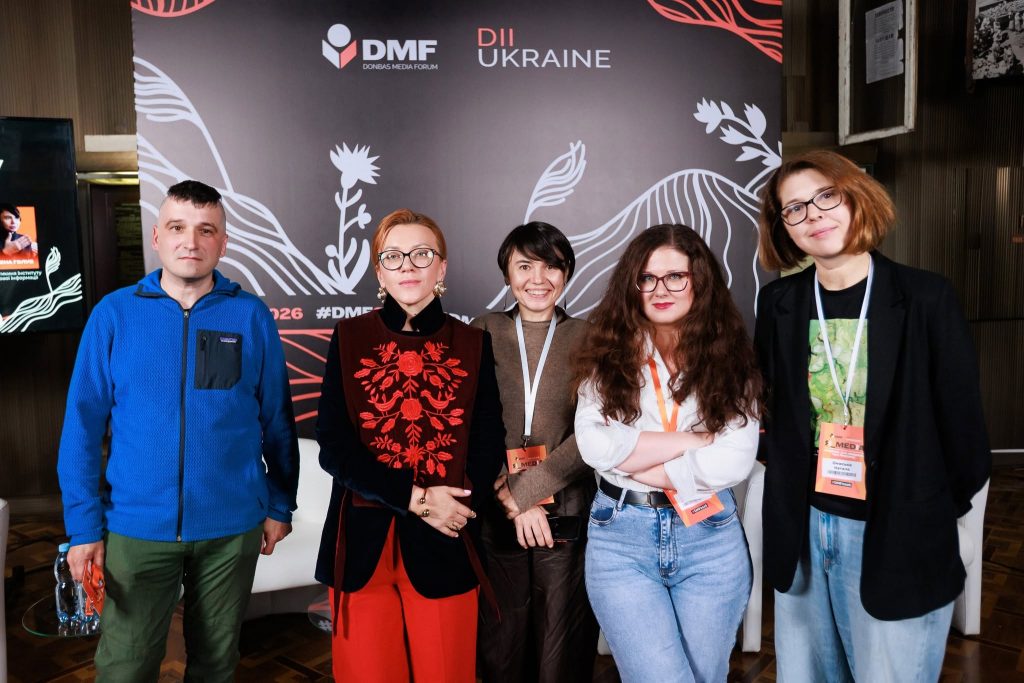
Drawing on practical examples of reporting errors, participants discussed corrections, legal liability, reputational damage and communication with readers.
One of the key challenges raised was that corrections rarely reach as wide an audience as the original publication. Participants emphasised that responsible journalism requires not only correcting mistakes promptly but also communicating openly about what went wrong and, where appropriate, apologising to those affected.
The discussion underlined that while mistakes can occur even in professional journalism, the way newsrooms acknowledge and address them is essential to maintaining public trust.
Independent media play a crucial role in preventing and exposing corruption, strengthening public oversight and holding institutions accountable. By supporting Donbas Media Forum 2026, the EUACI contributes to professional dialogue among journalists, experts and anti-corruption institutions, helping to strengthen an environment where transparency, accountability and independent journalism remain essential to Ukraine’s democratic development.