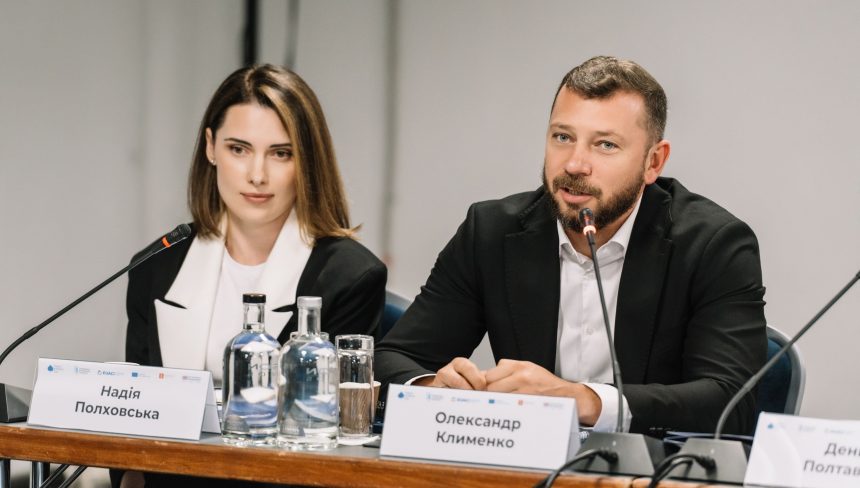
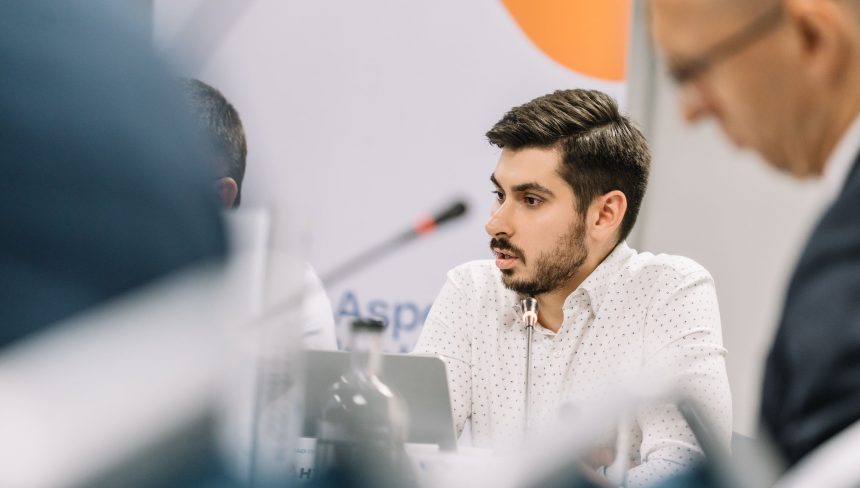
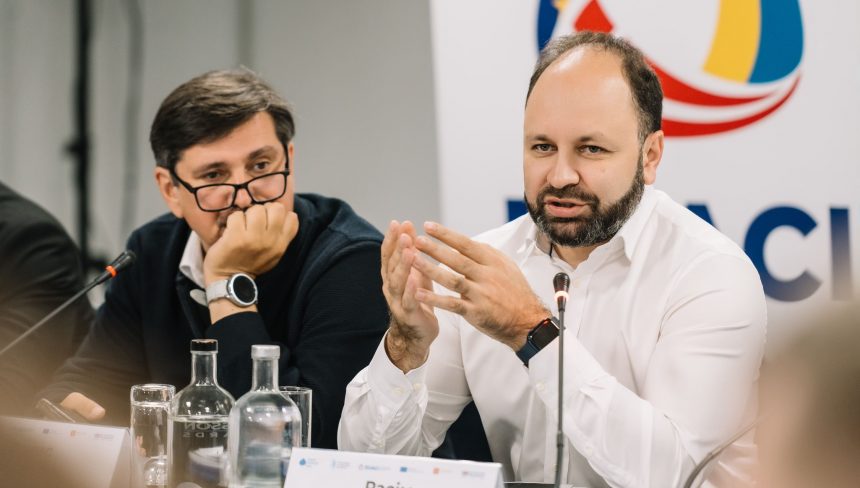
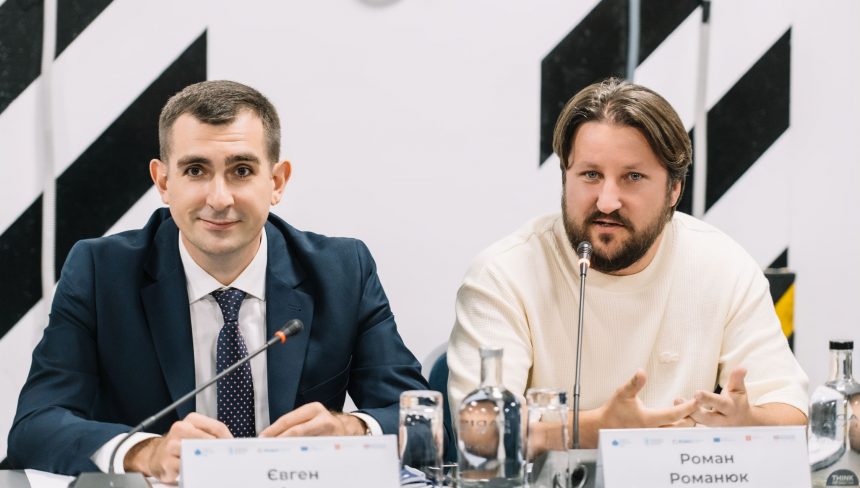
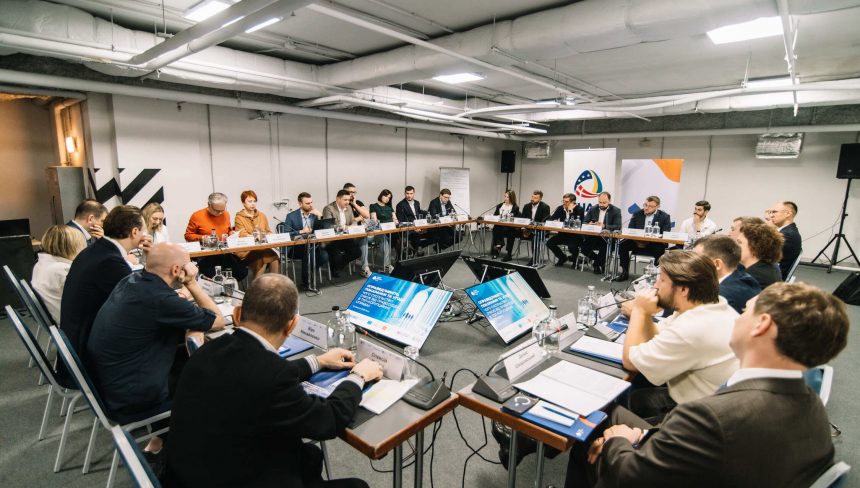
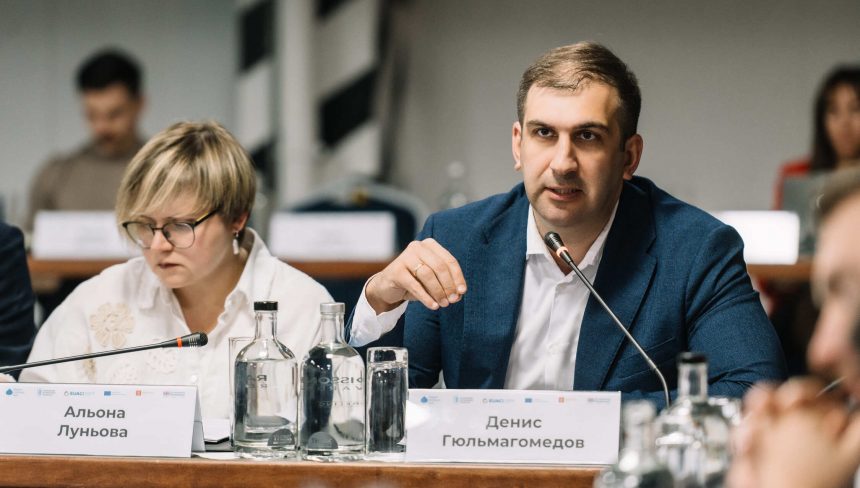
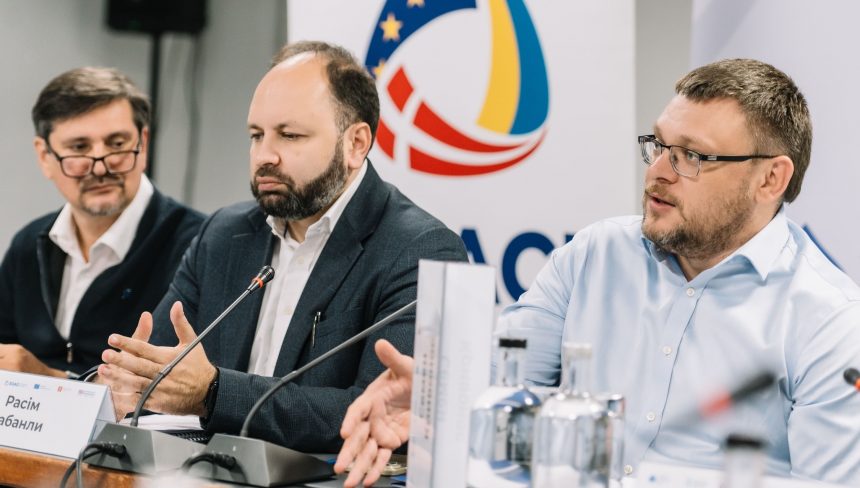
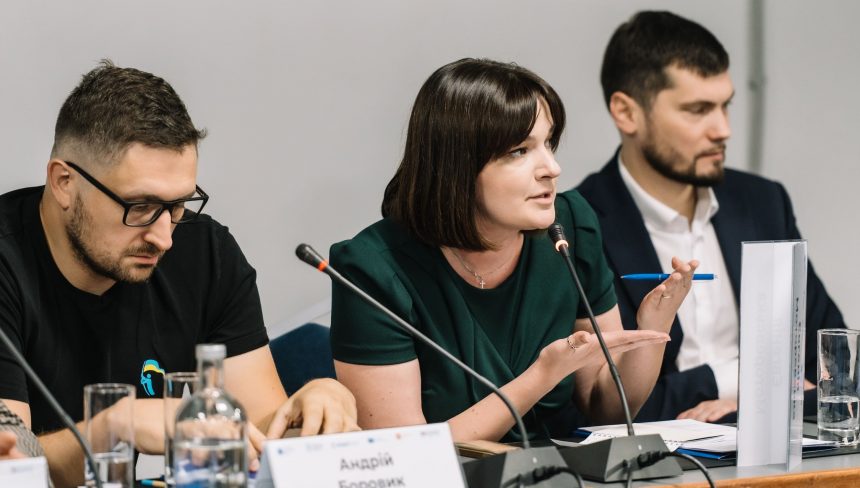
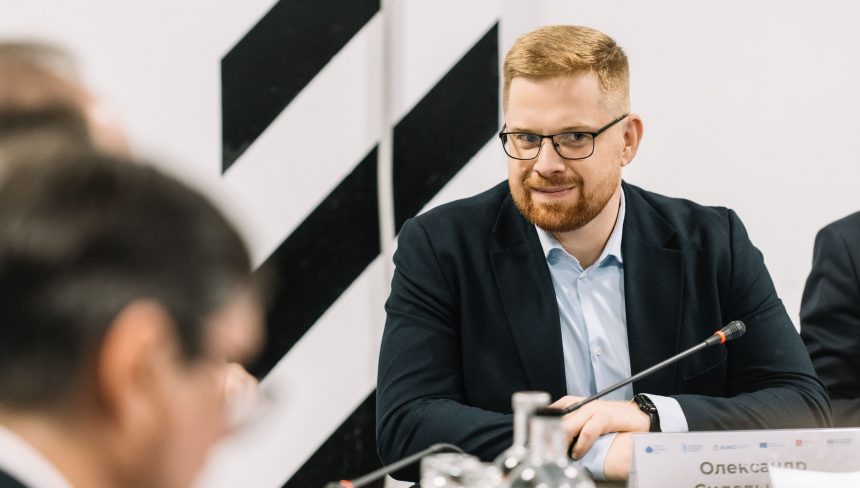
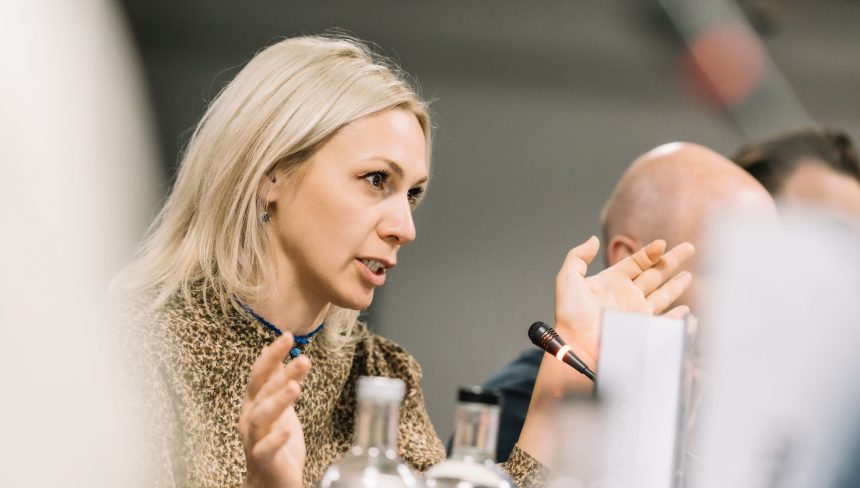
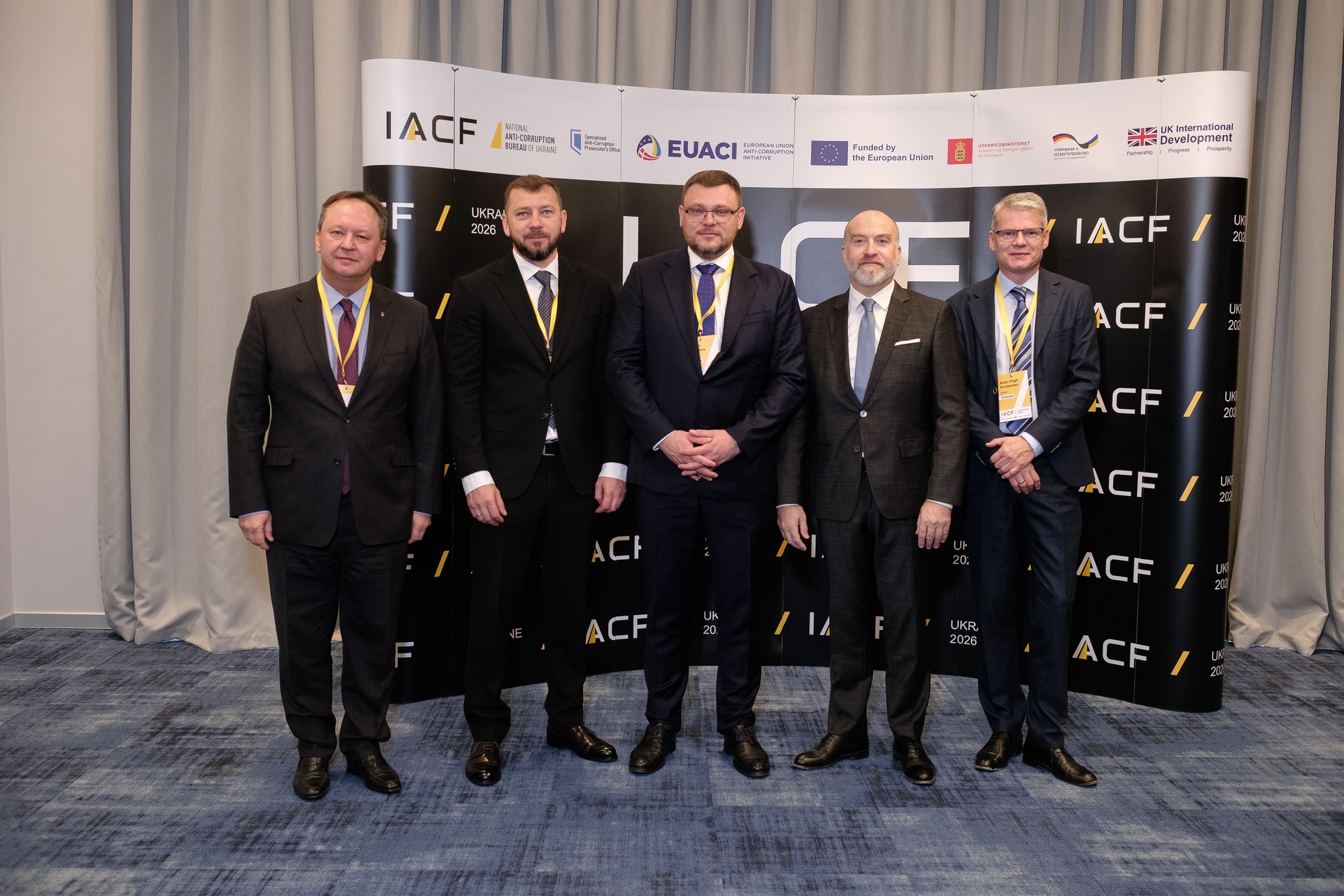
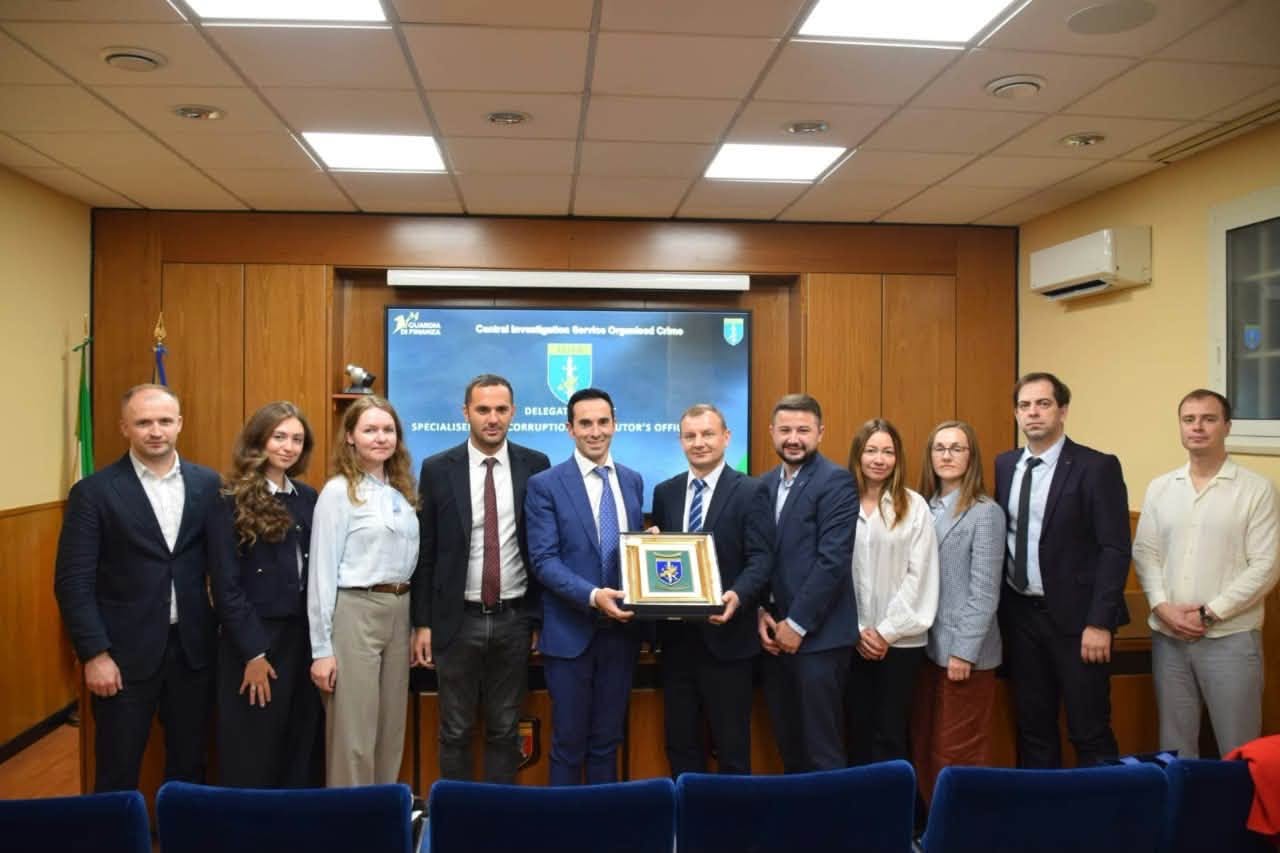
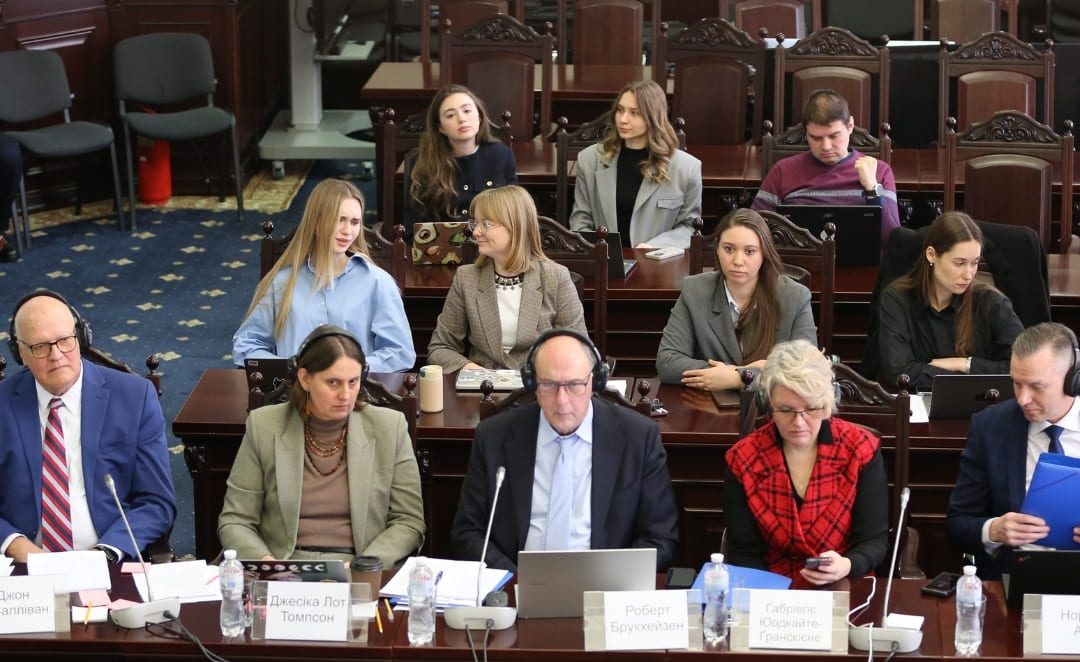
On 8 September 2026, the Aspen Institute Kyiv, in partnership with the Specialised Anti-Corruption Prosecutor’s Office and with the support of the EU Anti-Corruption Initiative in Ukraine (EUACI), held the Dialogue “Justice, Punishment and Plea Agreements: What Society Expects from Justice in High-Level Corruption Cases”.
The Dialogue brought together representatives of anti-corruption institutions, the legal community, media, civil society, and expert circles to discuss the use of plea agreements in top-level corruption proceedings.
The Dialogue opened with a review of Ukraine’s national experience in applying plea agreements in corruption cases. Oleksandr Klymenko, Head of the Specialized Anti-Corruption Prosecutor’s Office, shared his professional perspective and practical experience. Anton Marchuk, Team Leader for Anti-Corruption Policy and EU Integration at the EU Anti-Corruption Initiative, presented an overview of international standards and the experience of some European countries.
The subsequent discussion focused on finding the right balance between the effectiveness of criminal justice, the inevitability of accountability, proportionate punishment, and public trust in the anti-corruption system.
Key topics included:
- Public expectations of justice — how the war shapes perceptions of accountability and punishment in high-level corruption cases.
- Public interest and plea agreements — under what conditions the use of agreements can be justified from a societal perspective.
- Limits of compromise — what criteria should determine the possibility of more lenient sentencing, and where the ethical boundaries of such agreements lie.
- Risks and trust — how to minimise the risks associated with plea agreements and ensure these decisions are properly communicated to the public.
The outcomes of the discussions will be taken into account in the policy documents prepared by SAPO.