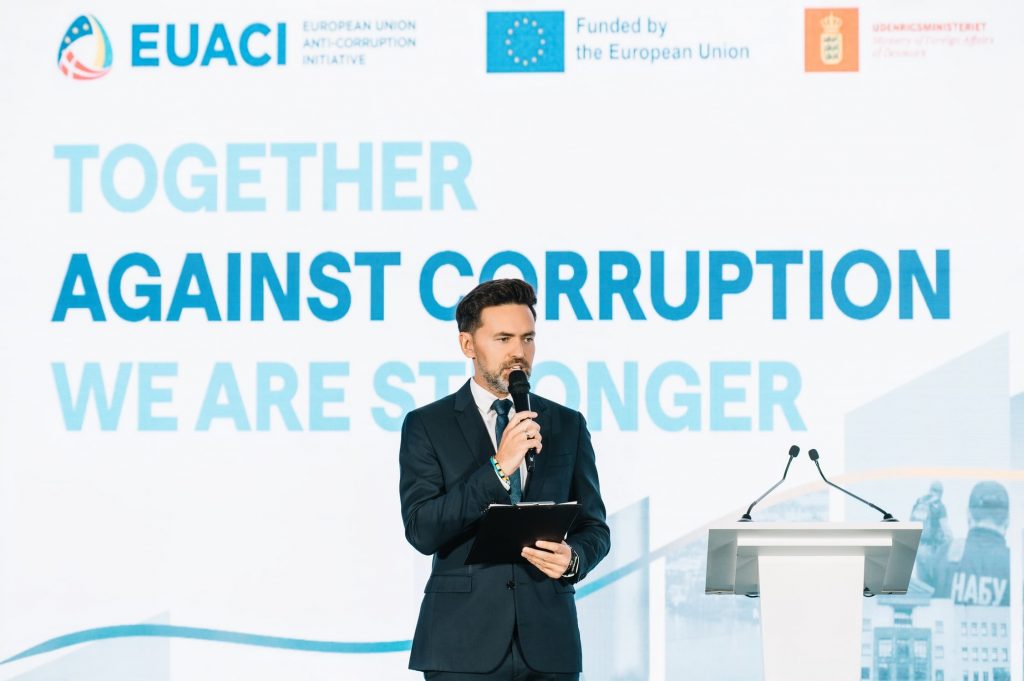
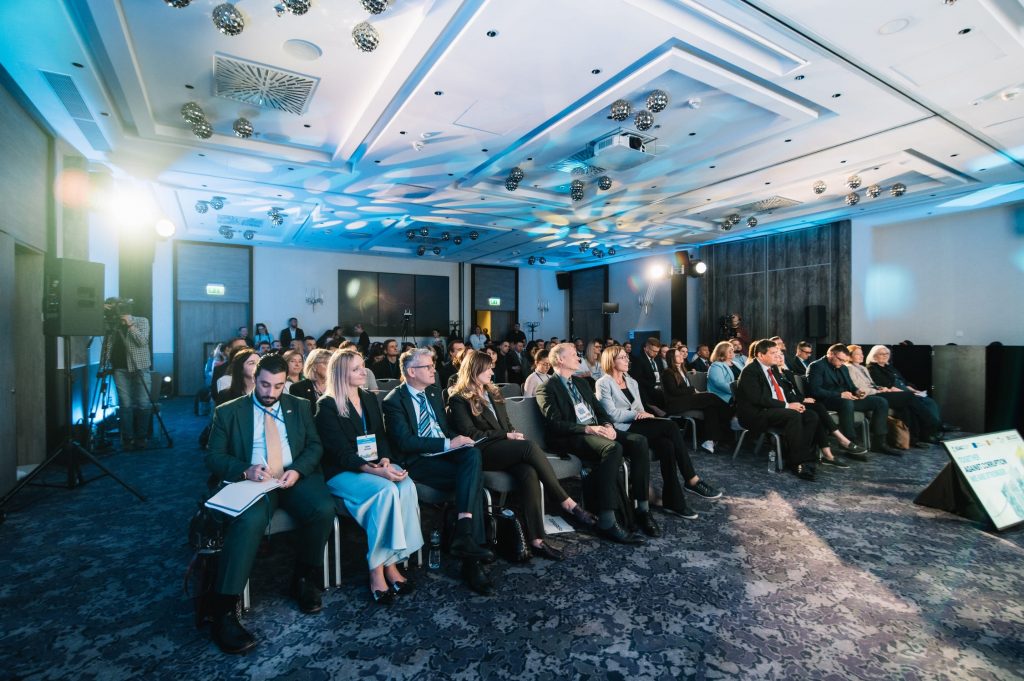
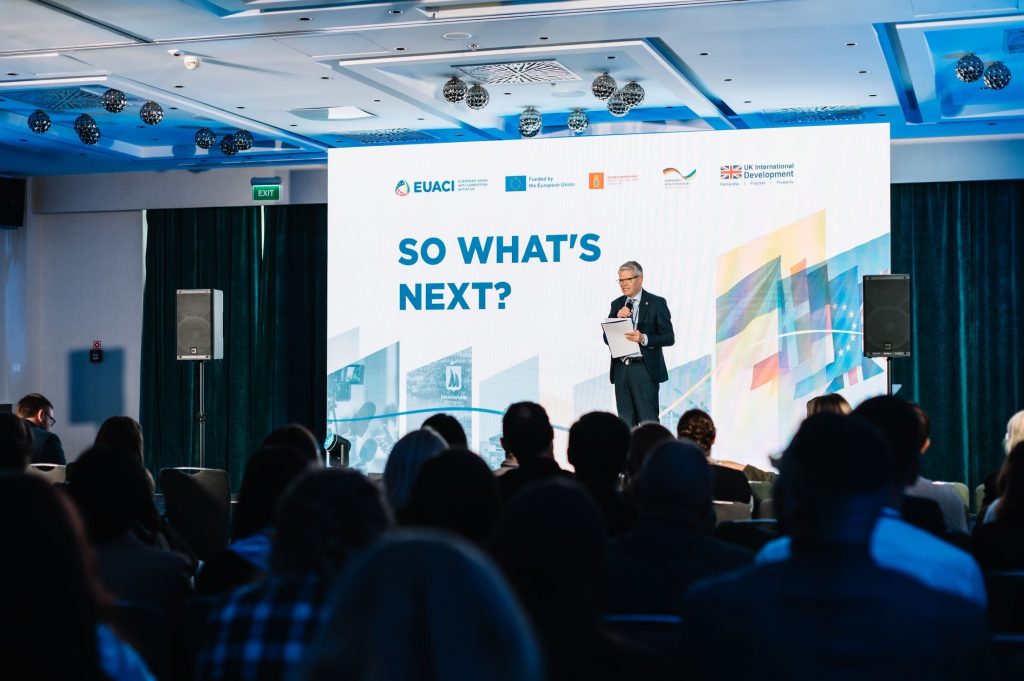
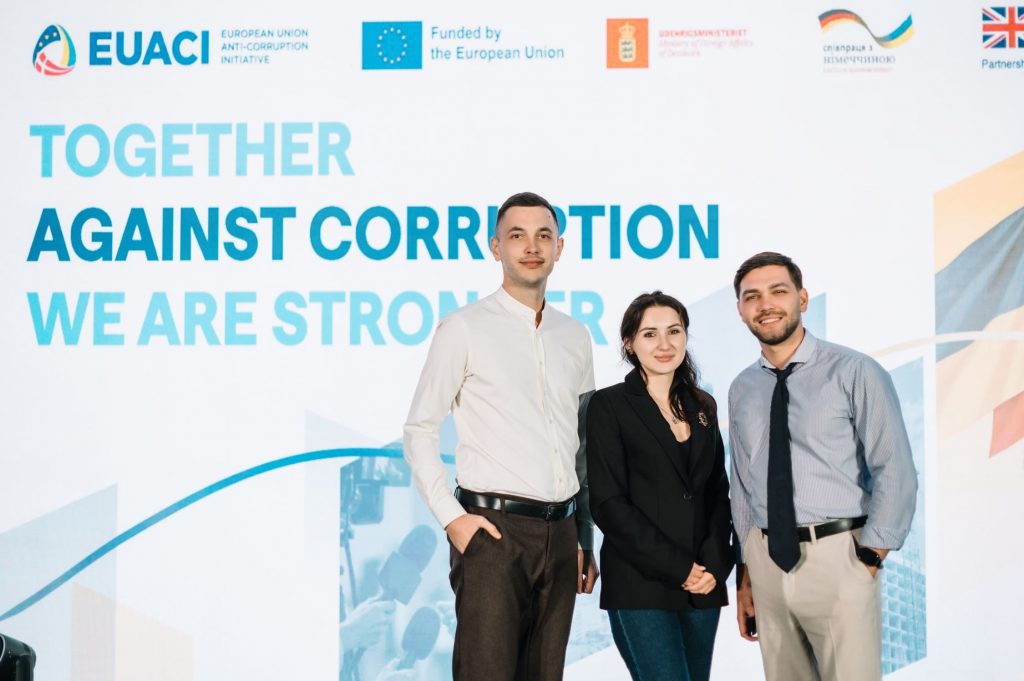
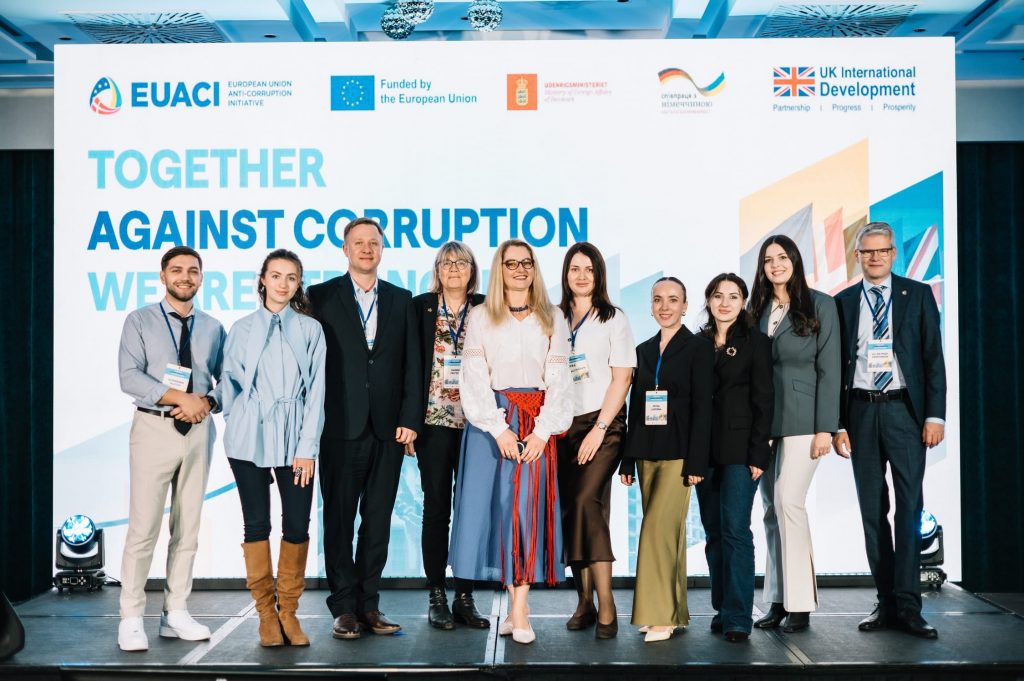
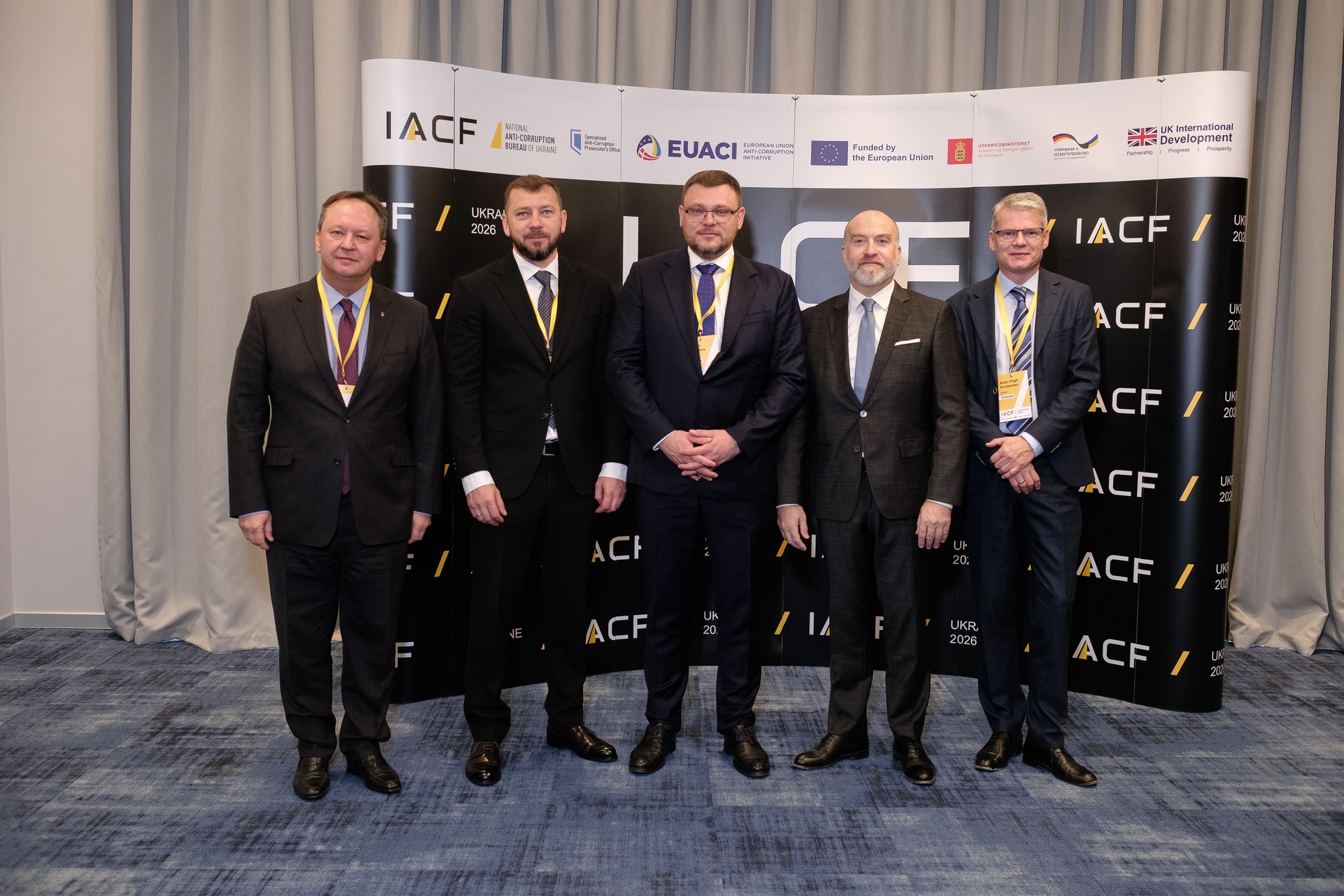
On 29 September 2026, the United Kingdom and Germany were officially welcomed as new donors of the EU Anti-Corruption Initiative, EUACI, at a public event in Kyiv. They are joining the European Commission and Denmark that have funded the programme since 2017. Denmark is implementing the EUACI.
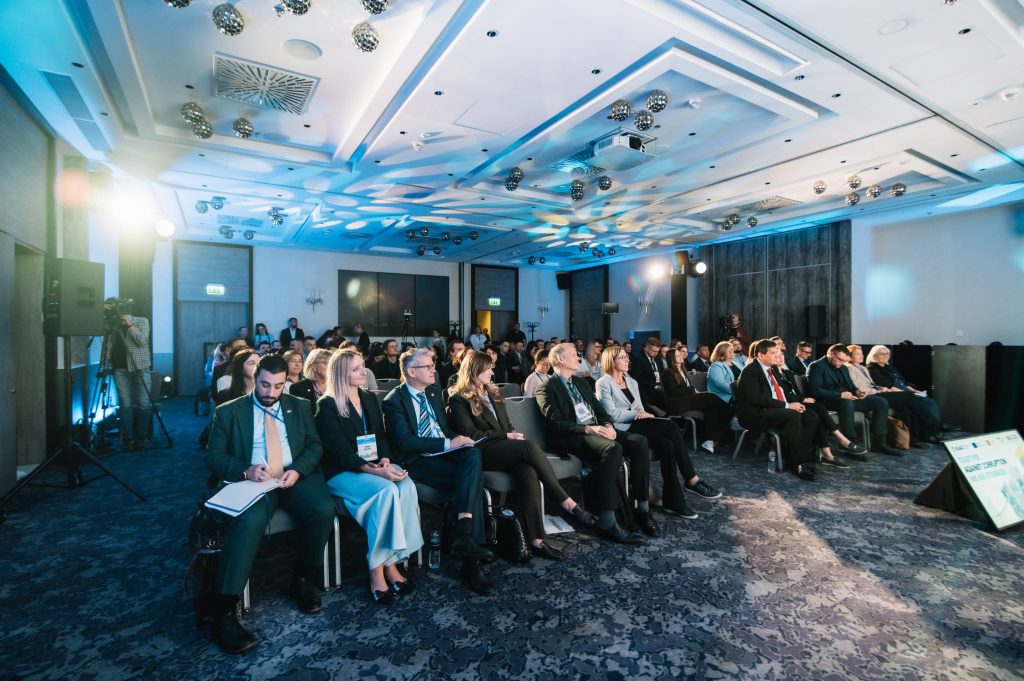
The event in Kyiv brought together international partners, representatives of Ukrainian authorities and anti-corruption institutions, local governments, civil society and media.
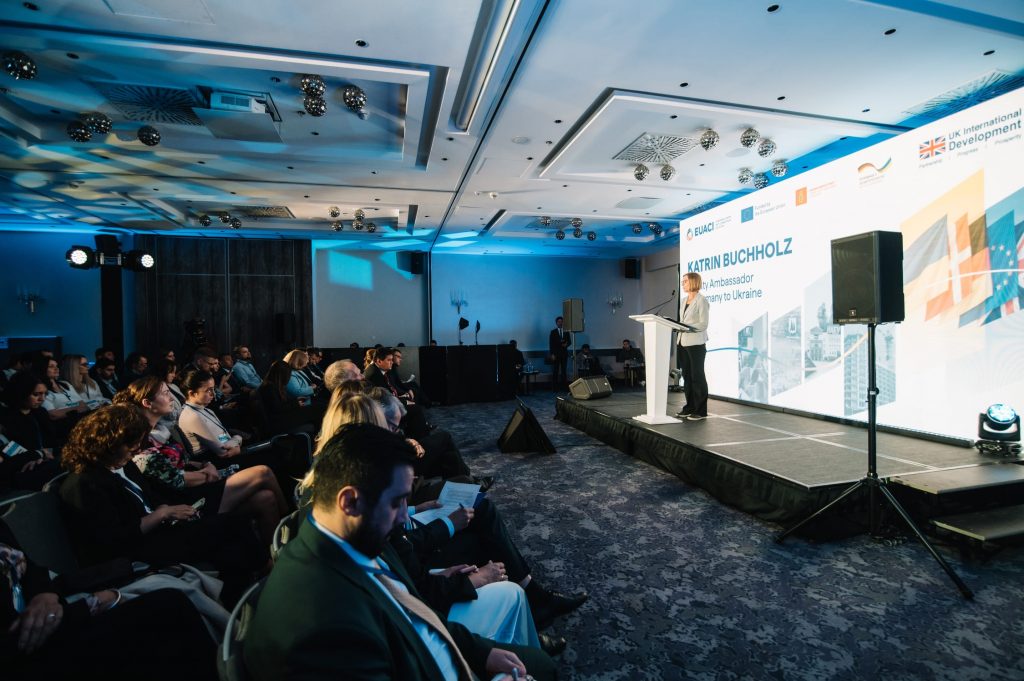
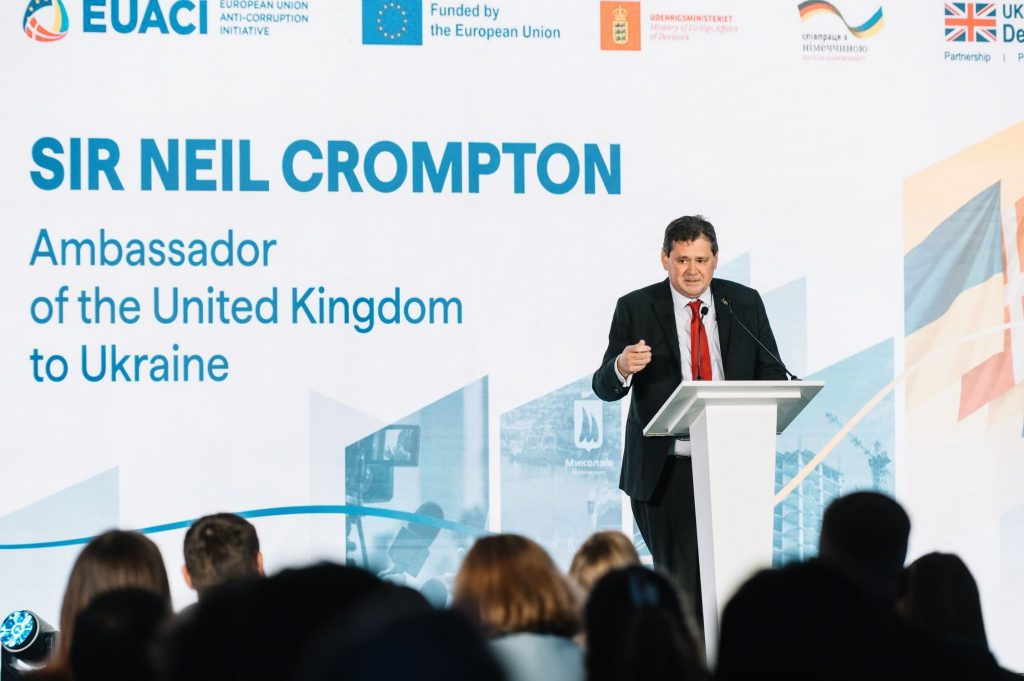
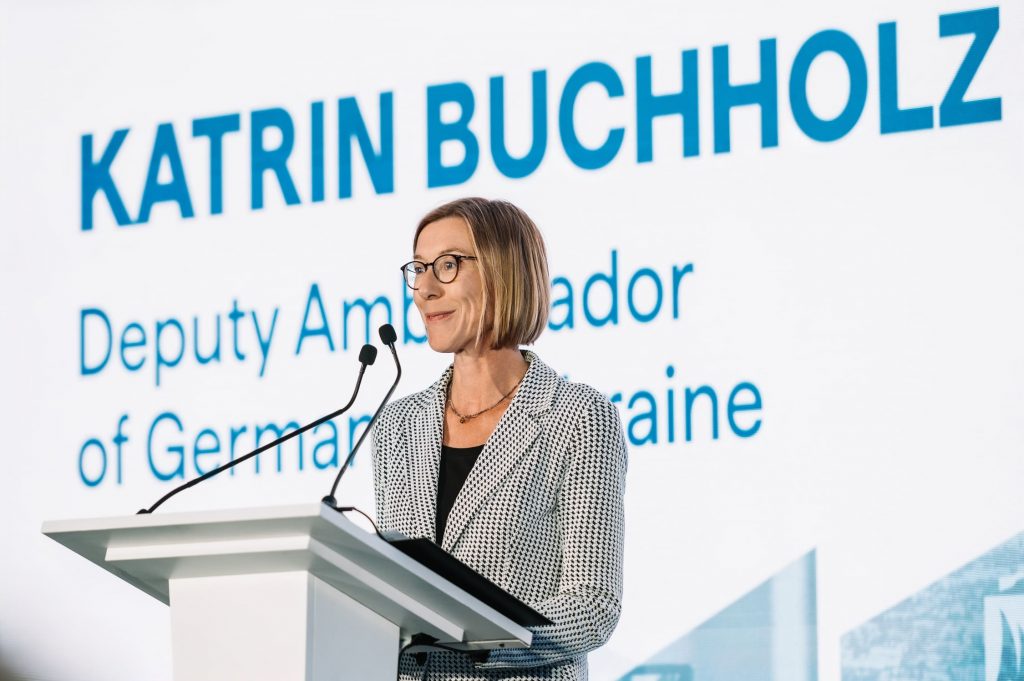
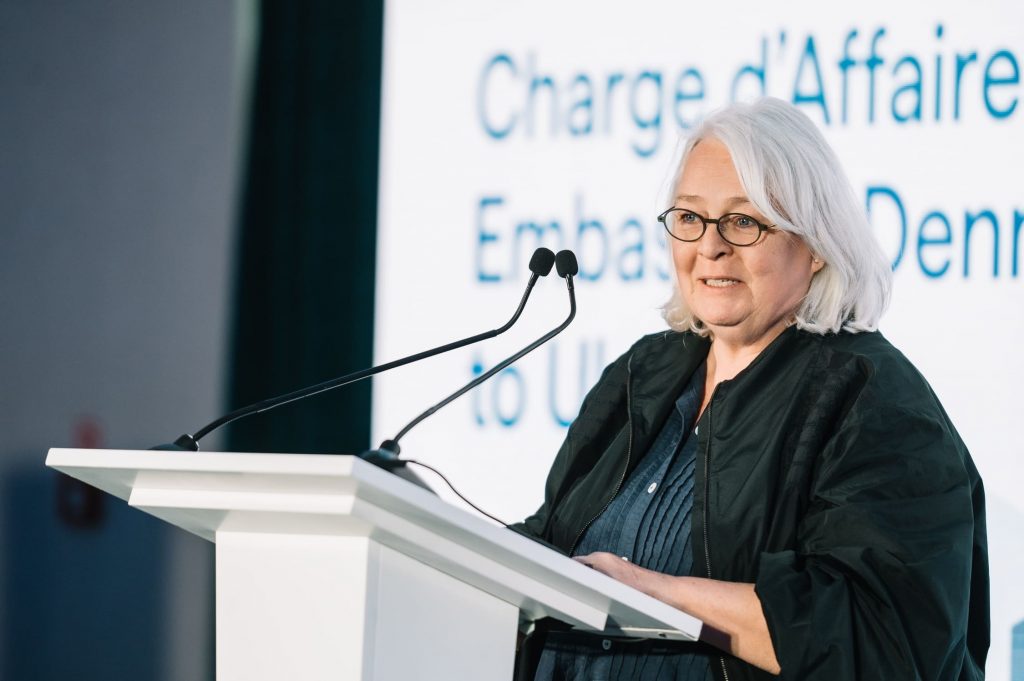
The event was opened by Sir Neil Crompton, Ambassador of the United Kingdom to Ukraine, Katrin Buchholz, Deputy Head of Mission at the Embassy of the Federal Republic of Germany to Ukraine, and Anne Maria Madsen, Chargé d’Affaires of the Embassy of Denmark to Ukraine.
“Ukraine is already an integral part of the European family, and Germany stands firmly behind its path towards EU membership. We trust Ukraine to fully implement the reforms needed to strengthen the rule of law and the fight against corruption — and we stand ready to support this effort. Our priorities are clear: strong and independent anti-corruption institutions, transparent and corruption-proof reconstruction, and a strong civil society as a driving force for reform and accountability,”
said Katrin Buchholz, Deputy Head of Mission at the Embassy of the Federal Republic of Germany to Ukraine.
“We extend a warm welcome to the United Kingdom and Germany as partners in the EU Anti-Corruption Initiative. The fight for transparency and against corruption is crucial for Ukraine’s future, its path towards the EU, and the successful reconstruction of the country. With four strong partners backing this agenda, the Ukrainian people and local reform forces are now in an even stronger position,”
said Anne Maria Madsen, Chargé d’Affaires of the Embassy of Denmark to Ukraine.
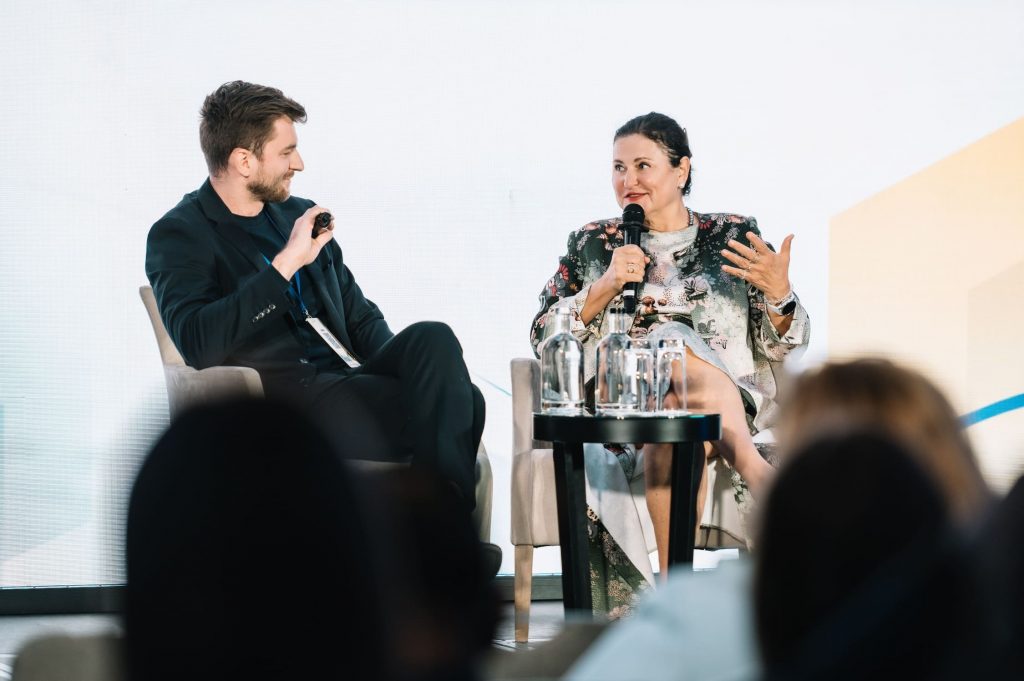
Katarína Mathernová, Ambassador of the European Union to Ukraine, discussed Ukraine’s reform progress, the fight against corruption, Ukraine’s European integration and the challenging context of Ukraine during wartime in a conversation with Oleksii Sorokin, Deputy Chief Editor of The Kyiv Independent.
“We are delighted to welcome Germany and the UK as new donors to the EUACI. This is actually the first EU project that the UK decided to join since Brexit. By investing all together, we demonstrate our confidence that Ukraine’s anti-corruption eco-system works and is worth scaling up, notably by expanding efforts on the prevention side,”
said Katarína Mathernová, Ambassador of the European Union to Ukraine.
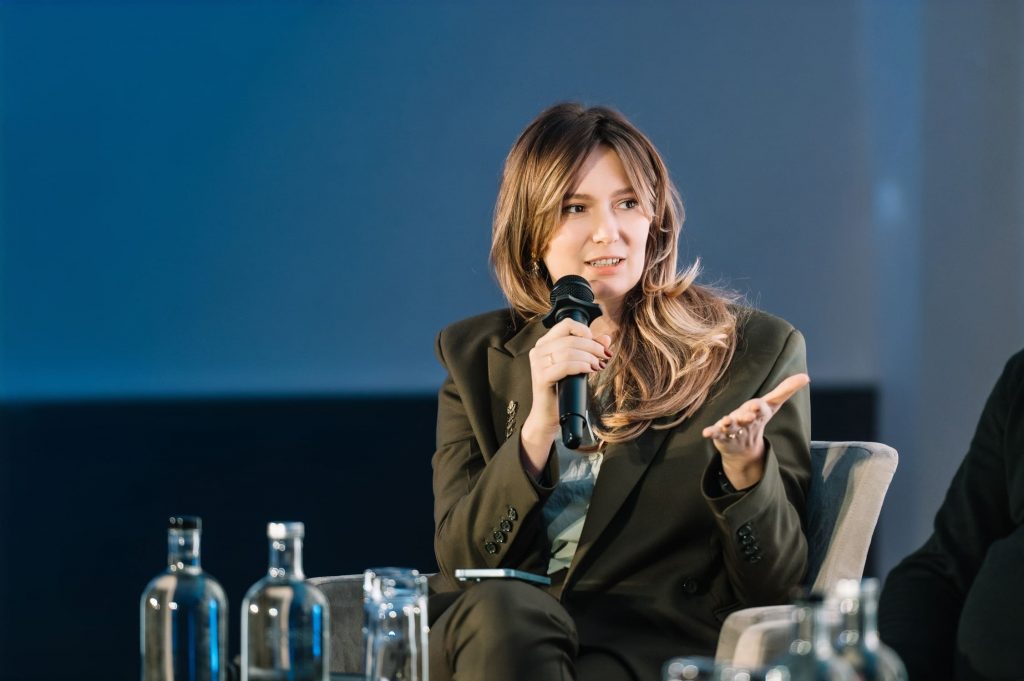
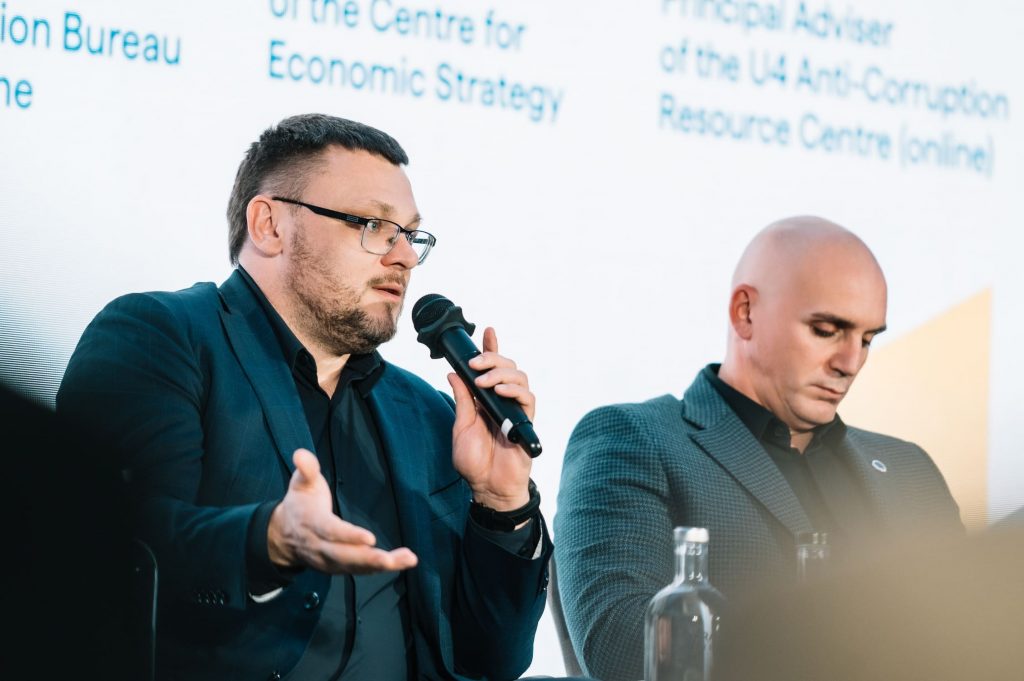
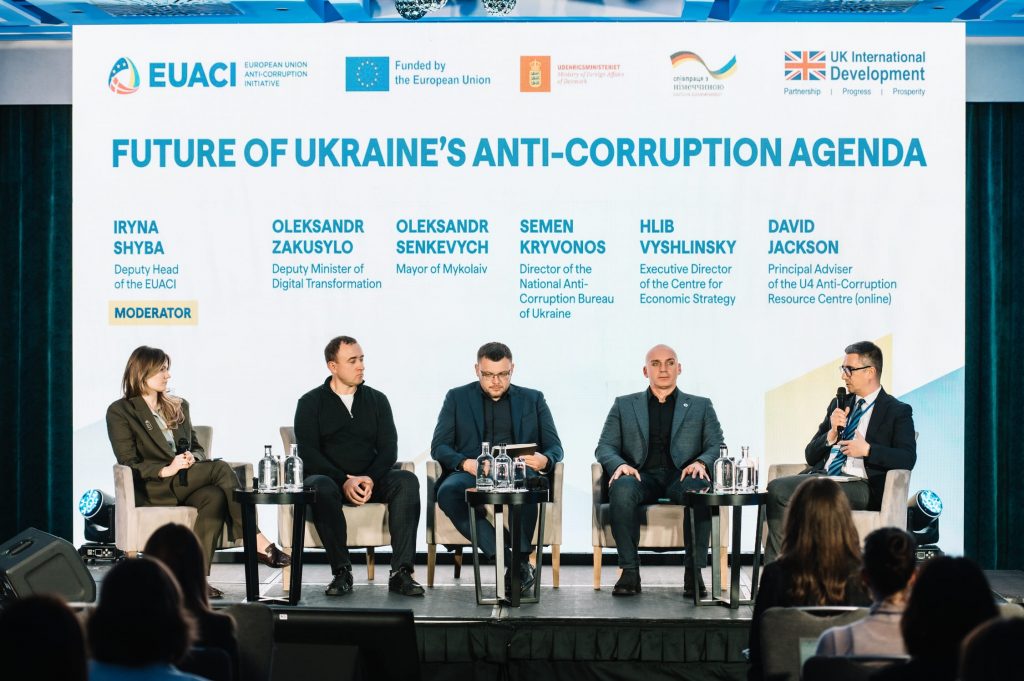
A panel discussion moderated by Iryna Shyba, Deputy Head of the EUACI, focused on different perspectives on preventing and fighting corruption during times of war. From the impact of digitalisation to the business perspective during very difficult times for the private sector. The NABU director outlined some of the main challenges that his institution experiences and the Mayor of Mykolaiv provided a personal account of working with integrity and transparency in his city. Finally, researcher David Jackson from U4 provided a balanced analysis of Ukraine’s anti-corruption efforts and underlined the many innovative approaches of Ukraine.
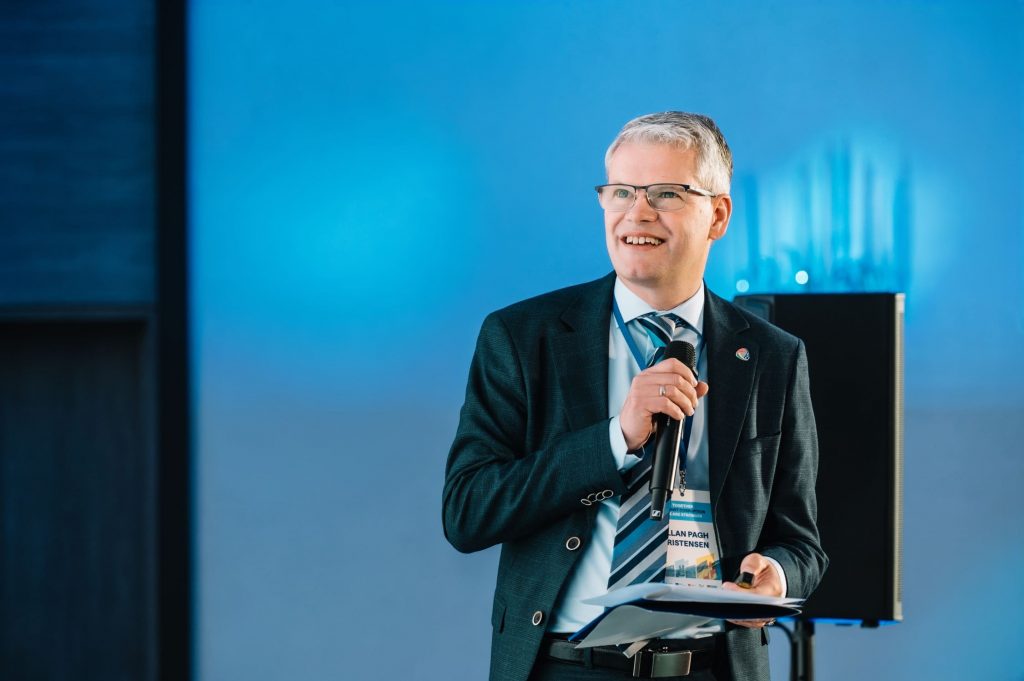
Allan Pagh Kristensen, Head of the EUACI, presented the programme’s plans for the period ahead. With the United Kingdom and Germany on board, the EUACI will expand its work across all components.
“We are grateful to have the UK and Germany onboard. It is an acknowledgement of all the good work of our partners and of my colleagues. We will be able to do more to support our partners in preventing and combatting corruption. And we will have a stronger international backing for what we do,”
said Allan Pagh Kristensen, Head of the EUACI.
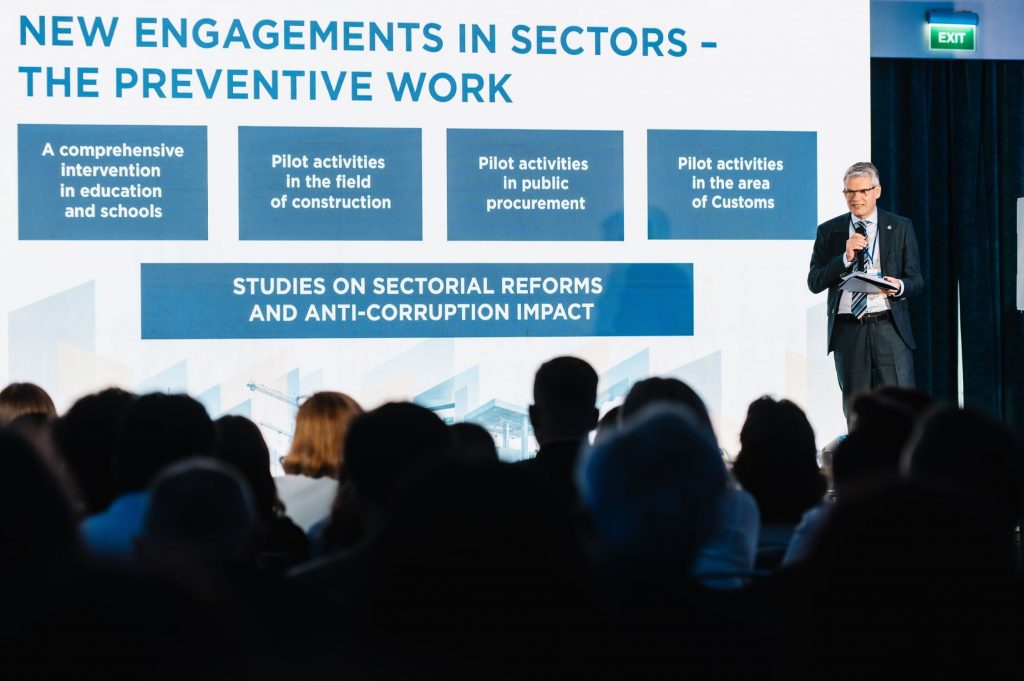
The programme’s priorities include:
Anti-corruption institutions: support to new staff and better IT systems, including the eCase Management System, analytical software and hardware.
EU accession: a stronger focus on the process, with support to anti-corruption mainstreaming in sectors, continued support to the Rule of Law Road Map, and legislative and reform support.
Preventive work in sectors: new engagements, including a comprehensive intervention in education and schools, pilot activities in construction, public procurement and customs, and studies on the anti-corruption impact of sectoral reforms.
Integrity Cities: enhanced work through a ranking of municipal-owned enterprises, surveys in cities and activities in new partner cities.
Civil society and media: institutional support for NGOs, new grant calls, and grants for local investigative media and NGOs.
Preparations are also underway for the fourth phase of the EUACI, which will begin on 1 July 2027.
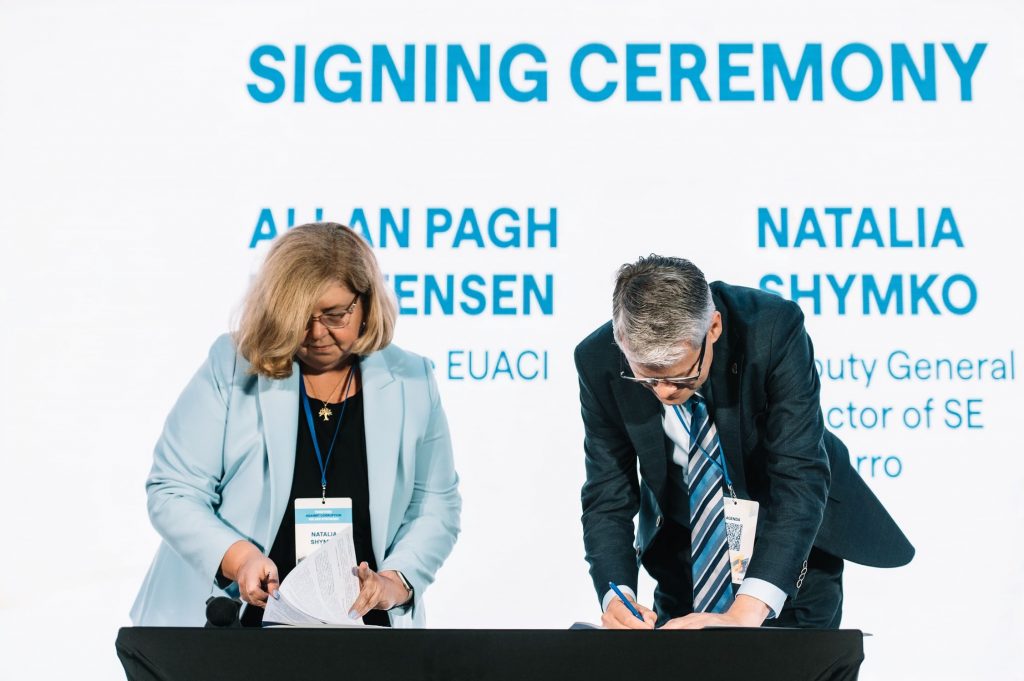
The event concluded with the signing of a Memorandum of Understanding between the EUACI and SE Prozorro. It was signed by Allan Pagh Kristensen and Natalia Shymko, Deputy General Director of Prozorro. The partnership aims to strengthen integrity and transparency in Ukraine’s public procurement system.