Anti-corruption reform is a long and complex process, and communication has become an integral part of it. The way anti-corruption activities were communicated a few years ago, and the way they are communicated today, reflect very different approaches, formats, and audience expectations.
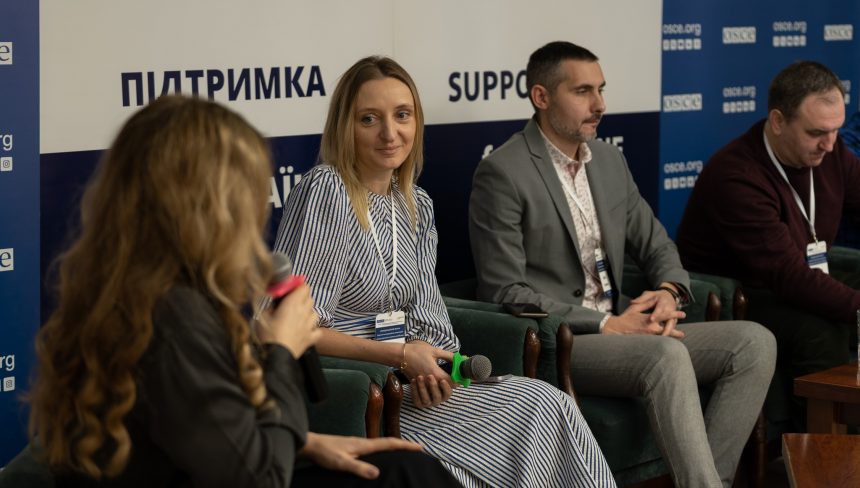
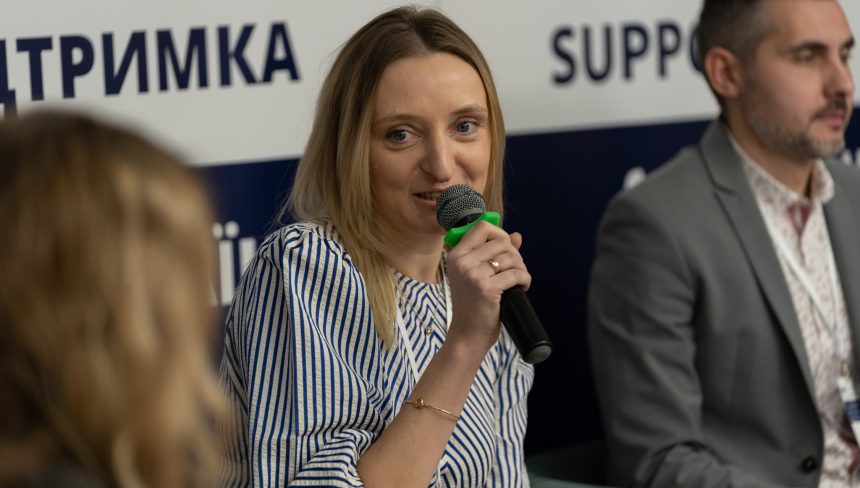
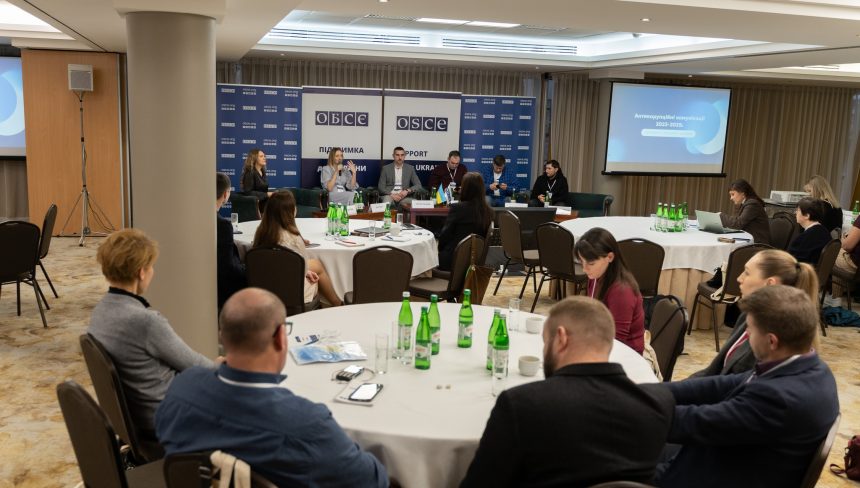
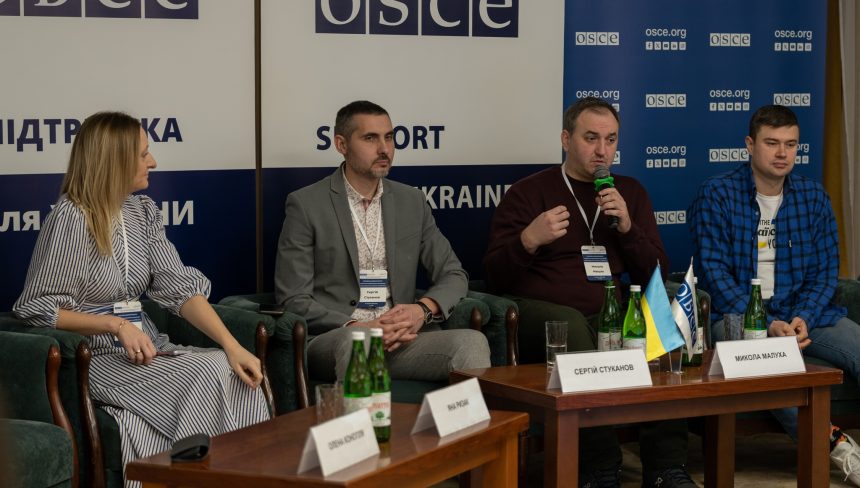
This was a key focus of a meeting of communication teams involved in implementing the Communication Strategy on Preventing and Countering Corruption, where Yana Ryzak, Communications Expert of the EU Anti-Corruption Initiative (EUACI), joined the discussion panel. The event was organised by the National Agency on Corruption Prevention.
“Much of our programme’s work is about showing the efforts of Ukrainian institutions and civil society. The old, typical messaging — ‘this is forbidden, this is allowed’ — no longer works. That’s why we are constantly looking for new ways to talk about integrity, including through non-typical platforms and formats,”
said Yana Ryzak.
The EUACI consistently supports the communication efforts of anti-corruption institutions, civil society, and media, helping to showcase results, explain complex issues in simple terms, and find a tone of voice that feels clear, relatable, and human.
We actively use creative formats and work with a wide range of partners:
- collaborate with YouTube projects, including those that had not previously covered anti-corruption topics;
- implemented a national campaign about public oversight over corruption;
- supported the development of the documentary movie After the Era of Silence;
- work with regions and new communication channels to move beyond the “professional bubble”.
Corruption affects everyone’s daily life — from the quality of public services to trust in the state and the country’s future. That is why this topic becomes closer and more meaningful to people when we find the right channels, tell honest stories, and use formats that genuinely engage.